
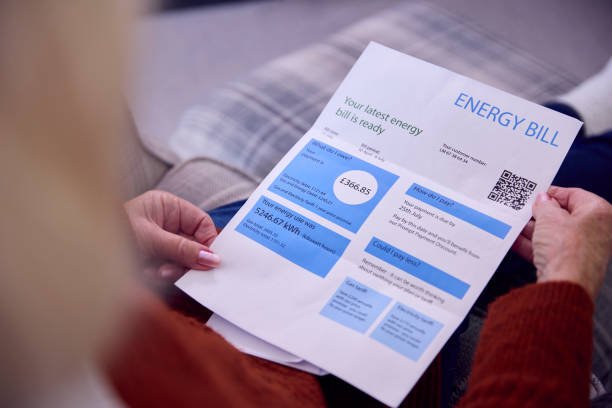
With electricity powering everything from lighting and cooking to washing machines, televisions, home offices and, increasingly, heating and electric vehicles, even relatively small changes in how a household uses electricity can add up.
So, how can you reduce electricity bills without making your home uncomfortable?
The best approach is not to obsess over switching off one phone charger. Start with the appliances and activities that use significant amounts of electricity, eliminate unnecessary consumption, understand when you are using power and then consider larger improvements such as efficient appliances, smart controls or solar panels.
As of July–September 2026, the average electricity unit rate under Ofgem’s price cap for a standard-variable-tariff customer paying by Direct Debit is 26.11p per kWh, although the actual rate depends on region, tariff, meter and payment method. The average electricity standing charge is 57.19p per day.
That means reducing the electricity you consume can lower the usage part of your bill — but it generally will not remove the standing charge.
Here are the changes worth concentrating on.
1. Understand what is actually making your electricity bill high
Before changing your habits, look at your consumption.
Your electricity bill normally contains two important charges:
Unit rate — what you pay for each kilowatt hour (kWh) of electricity consumed.
Standing charge — a daily charge that applies regardless of how much electricity you use.
Ofgem explains that the price cap does not cap your total bill. It limits the rates suppliers can charge customers covered by it, so the more electricity you consume, the higher your total bill can still become.
Look at your bills from several months rather than one unusually expensive month.
Ask:
- How many kWh are we using?
- Is usage increasing?
- Is the bill based on actual or estimated readings?
- Has the tariff changed?
- Which appliances are used most frequently?
- Do we use electricity for heating or hot water?
A £200 bill caused by high consumption requires a different response from a £200 bill caused partly by a tariff change or correction to previous estimated readings.
2. Use a smart meter to find where electricity is going
A smart meter does not magically reduce electricity consumption.
What it can do is make consumption much more visible.
Smart meters generally come with an In-Home Display showing electricity consumption in near real time, including the approximate cost. The UK government says this information can help households understand and manage their energy use.
Try an experiment.
Look at the display when the house is relatively quiet.
Then turn on:
- the kettle;
- oven;
- tumble dryer;
- electric shower;
- electric heater.
Watch what happens.
This makes electricity consumption much more tangible than waiting for a bill several weeks later.
It can also help identify something operating far more frequently than expected.
3. Stop leaving unnecessary appliances on standby
Modern standby consumption varies enormously between devices, so there is no sensible rule that every appliance must be unplugged every night.
But leaving multiple unnecessary devices running continuously can add to annual consumption.
The UK government recommends turning televisions and computers off rather than leaving them on standby as one simple way to reduce electricity bills.
Look particularly at:
- televisions;
- games consoles;
- desktop computers;
- monitors;
- speakers;
- older entertainment equipment;
- spare-room electronics.
Do not switch off appliances that need continuous power for safety or essential operation.
The objective is to eliminate unnecessary standby consumption, not turn your house into a nightly unplugging exercise.
4. Replace old bulbs with LEDs
Lighting is one of the easiest areas to improve because you do not need to change how you live.
Ofgem recommends replacing inefficient bulbs with LED lighting and cites Energy Saving Trust estimates of savings of up to around £4 per bulb per year when replacing older inefficient lighting.
Prioritise the lights used most often:
- kitchen;
- living room;
- hallway;
- bedrooms;
- exterior lighting.
Replacing a rarely used loft bulb offers little benefit compared with replacing a living-room bulb that runs for several hours every evening.
5. Turn lights off when rooms are empty
This sounds obvious, but it is one of the easiest habits to maintain.
Energy Saving Trust estimates that switching lights off when they are not required can save around £14 per year, based on its current assumptions.
You do not need to sit in darkness.
Just stop lighting rooms nobody is using.
For hallways, utility areas and external spaces that are frequently left illuminated accidentally, timers or suitable occupancy sensors may also be useful.
6. Wash clothes at 30°C where suitable
Heating water requires energy.
Ofgem recommends using a 30°C washing-machine cycle, filling the machine appropriately and using shorter cycles where suitable.
Modern detergents and washing machines are designed to clean many ordinary loads effectively at lower temperatures.
That does not mean 30°C is appropriate for absolutely everything. Follow clothing labels, appliance instructions and appropriate hygiene guidance.
For everyday laundry, however, constantly using unnecessarily hot programmes increases electricity consumption.
7. Avoid running half-empty washing machines
A washing machine consumes electricity every time you run a cycle.
Running six poorly filled loads instead of four appropriately filled loads can therefore increase your overall energy use.
Wait until you have a sensible load while remaining within the manufacturer’s maximum capacity.
Energy Saving Trust also recommends reducing unnecessary washing-machine cycles; its current guidance estimates that cutting one cycle per week can save around £5 annually.
The individual saving is modest, but this is precisely how household efficiency works: several small permanent habits accumulate.
8. Reduce tumble-dryer use
Tumble dryers are high-power appliances, so reducing unnecessary drying cycles can make a more noticeable difference than obsessing over tiny electronics.
Where practical:
- line-dry outdoors;
- use an indoor airer in a suitably ventilated space;
- use the washing machine’s appropriate spin setting first;
- avoid overdrying clothes;
- clean filters as recommended;
- use sensor programmes where available.
Be mindful of indoor moisture.
Drying large quantities of wet laundry indoors without adequate ventilation can raise humidity and contribute to condensation problems.
The goal is not simply to transfer an energy problem into a damp problem.
9. Only boil the water you actually need
Kettles are powerful appliances, but they usually operate for only a short time.
The waste comes from repeatedly heating far more water than required.
If you are making one cup of tea, you generally do not need a completely full kettle.
Energy Saving Trust estimates that only filling the kettle with the water required can save around £7 per year under its current assumptions.
Again, it will not transform your finances alone.
But it costs nothing to do.
10. Use your dishwasher efficiently
A modern dishwasher can be an efficient way to clean a full load, particularly when used correctly.
Avoid running it with only a handful of items unless necessary.
Where suitable:
- fill it properly;
- use ECO programmes;
- avoid unnecessary pre-rinsing under continuously running hot water;
- clean filters regularly;
- follow the manufacturer’s loading guidance.
ECO programmes can take considerably longer than standard cycles, which sometimes makes people assume they consume more energy.
The longer duration can allow the machine to clean at lower temperatures and with more efficient use of energy and water.
11. Be strategic with electric ovens
An electric oven heats a relatively large enclosed space, so cooking habits matter.
You can reduce unnecessary consumption by:
- cooking several items together where practical;
- avoiding prolonged unnecessary preheating;
- keeping the door closed while cooking;
- using an appropriately sized appliance for small meals.
Opening the oven door repeatedly releases heat that the appliance then needs to replace.
For very small portions, another suitable appliance may sometimes use less electricity than heating a full-sized oven, although actual consumption depends on appliance wattage, temperature and cooking time.
12. Do not assume an air fryer is always cheaper
Air fryers can use less electricity for many small meals because they heat a much smaller cooking chamber and often cook food more quickly.
But “air fryer = cheaper” is not a universal rule.
Cooking several batches for a large family can reduce the advantage.
Think about:
power × running time.
A lower-powered appliance running much longer is not automatically cheaper than a more powerful appliance operating briefly.
Use the appliance that efficiently matches the amount of food you are cooking.
13. Check your fridge and freezer settings
Fridges and freezers deserve attention because they operate 24 hours a day.
Do not set them unnecessarily cold.
Follow the manufacturer’s recommended temperature range and make sure:
- door seals close properly;
- doors are not left open;
- ventilation around the appliance is not blocked;
- ice build-up is addressed where required by the appliance design;
- hot food is handled according to food-safety guidance before storage.
A damaged door seal can force the appliance to work harder to maintain its internal temperature.
14. Replace inefficient appliances strategically — not all at once
You do not need to throw away every functioning appliance to save electricity.
In fact, replacing a perfectly good appliance purely for a marginal efficiency improvement may take years to repay the purchase cost.
Energy labels run from A to G, with A representing the most energy-efficient products under the current scale. Ofgem recommends considering efficiency ratings when buying new appliances because more efficient models can cost less to operate.
Pay particular attention when replacing appliances that operate frequently, such as:
- fridge-freezers;
- washing machines;
- tumble dryers;
- dishwashers.
When an appliance already needs replacing, compare both purchase price and running cost.
15. Be careful with portable electric heaters
Portable electric resistance heaters can consume significant amounts of electricity when operated for long periods.
A 2 kW heater running at full power for five hours uses up to:
2 kW × 5 hours = 10 kWh.
At an illustrative electricity rate of 26.11p/kWh, that would equal about £2.61 for that five-hour period if it drew its full rated power continuously. The actual cost depends on the heater’s controls, cycling behaviour and your tariff. The 26.11p figure is Ofgem’s GB average electricity unit rate for a Direct Debit price-cap customer for July–September 2026.
Repeated every day, electric space heating can therefore become a major part of the bill.
This does not mean portable heaters are always wrong. Heating one occupied room for a short period can sometimes be sensible.
But running several electric heaters all day is very different.
16. Check whether electric hot water is increasing your bill
If you have an immersion heater, electric hot-water cylinder or other electrically heated water system, it can represent a significant source of consumption.
Check:
- timers;
- thermostat settings;
- whether an immersion heater has accidentally been left permanently on;
- hot-water schedules;
- cylinder insulation.
Ofgem recommends insulating hot-water cylinders to reduce heat loss.
If your electricity consumption suddenly increases dramatically, check whether a high-power heating or hot-water appliance has started operating differently.
17. Understand your tariff
Reducing the amount of electricity you use is only half of the equation.
The other half is what you pay for it.
Check:
- electricity unit rate;
- standing charge;
- fixed versus variable tariff;
- payment method;
- tariff end date;
- whether you have peak/off-peak rates.
Ofgem’s price cap applies to eligible standard variable tariffs but does not mean every household pays exactly the same unit rate. Prices vary by region, payment method and meter type.
A household already using electricity efficiently can still overpay if its tariff is unsuitable.
18. Move electricity use to cheaper hours if your tariff rewards it
This does not save electricity.
It can, however, reduce the cost of the electricity you use.
Some smart and time-of-use tariffs offer cheaper electricity during specific off-peak periods.
The government notes that smart meters can provide access to flexible tariffs where electricity can cost less when demand is lower or renewable generation is plentiful.
Depending on your tariff, you may benefit from scheduling:
- washing machines;
- dishwashers;
- EV charging;
- battery charging;
- some hot-water heating.
Always check your actual tariff first.
Running the washing machine at 2 am saves nothing if your electricity price is identical all day.
And only operate appliances unattended where the manufacturer considers it safe to do so.
19. Use smart plugs to identify expensive devices
Smart plugs with energy-monitoring functionality can be useful for plug-in appliances.
Instead of guessing whether something is expensive to run, measure it.
You may discover that the device you were worried about costs very little while another appliance quietly consumes far more.
Smart technology can also automate devices so they do not remain on unnecessarily.
If you are considering a wider connected-home setup, our guide to smart home installation costs in the UK in 2026 explains what professional installations can cost and which upgrades may be worthwhile.
Automation should make energy management easier — not encourage you to buy £500 of gadgets to save £20 of electricity.
20. Consider solar panels for larger long-term savings
Once the easy efficiency improvements have been made, generating some of your own electricity can significantly change where household electricity comes from.
Solar photovoltaic panels generate electricity during daylight hours.
The greatest financial benefit generally comes when you can use a good proportion of that electricity yourself rather than buying it from the grid.
For example, households may schedule appliances to operate while the panels are generating.
A battery can potentially increase self-consumption by storing excess solar electricity for later use, although adding battery storage increases the upfront investment.
Solar is therefore not a quick £20 energy-saving trick. It is a long-term home improvement that needs proper financial assessment.
If you are considering it, read our detailed guide to how much solar panels cost in the UK in 2026 before comparing quotes.
21. Would a heat pump reduce your electricity bill?
This question needs careful wording.
A heat pump uses electricity, so installing one can increase your electricity consumption compared with a gas-heated home.
The potential benefit is that heat pumps move heat rather than producing all of it through direct electrical resistance, making them much more efficient than basic electric resistance heating.
Whether a heat pump reduces your overall energy costs depends on:
- what heating system it replaces;
- electricity and alternative-fuel prices;
- system efficiency;
- home insulation;
- radiator or emitter sizing;
- heat loss;
- heating controls;
- tariff.
Do not install a heat pump purely because someone promises that your electricity bill will fall.
It requires a whole-house assessment.
If you are exploring low-carbon heating, our 2026 UK heat pump cost guide explains installation costs and the factors that affect the investment.
22. Improve insulation if electricity heats your home
If your home uses electricity for space heating, reducing heat loss can be one of the most important long-term improvements.
Ofgem identifies home insulation as one of the major improvements households can make to reduce energy consumption.
Depending on the property, improvements might include:
- loft insulation;
- cavity-wall insulation;
- suitable solid-wall insulation;
- floor insulation;
- draught proofing;
- improved glazing.
Do not block intentional ventilation openings in an attempt to eliminate every draught. Ofgem specifically warns against blocking ventilation channels such as wall and window vents when draught-proofing.
A warmer, more efficient building requires less energy to maintain a comfortable temperature regardless of the heating technology.
23. Check your EPC before spending thousands
Your property’s Energy Performance Certificate can provide a useful starting point for understanding its energy efficiency.
Ofgem recommends using the EPC to identify potential improvements and indicative savings, while the UK government’s home-energy-efficiency service can provide recommendations based on the characteristics of properties in England and Wales.
An EPC is not a substitute for a detailed technical assessment.
But it can help you prioritise between:
- insulation;
- heating improvements;
- glazing;
- solar;
- controls.
That is more sensible than installing whichever energy-saving product happens to be advertised most heavily.
24. Investigate unexplained increases in electricity consumption
If your electricity usage suddenly doubles without any obvious lifestyle change, do not simply accept it.
Compare kWh consumption, not just the £ value.
Your bill can increase because the price changed even when consumption remained the same.
The government notes that unexpectedly high bills can also result from increased usage or a move from estimated to actual meter readings.
If actual kWh consumption has increased substantially, investigate what changed.
Think about:
- new electric heaters;
- immersion heaters;
- dehumidifiers;
- tumble-dryer use;
- EV charging;
- new appliances;
- home working;
- faulty equipment.
Your smart meter or energy-monitoring devices can help narrow down the cause.
25. Prioritise the biggest electricity users first
This is perhaps the most important principle in the entire guide.
Not every electricity-saving action deserves equal attention.
If you run a 2 kW electric heater for six hours every day, worrying about whether a 5W device remains on standby is missing the bigger opportunity.
Start with:
Heating and hot water → high-power appliances → frequently used appliances → lighting → standby and smaller devices.
Then look at larger investments.
This approach gives you a much better chance of making a meaningful reduction without turning everyday life into a constant exercise in switching things off.
What changes can reduce electricity bills immediately?
If you want to start today without spending much money, concentrate on a handful of habits:
- switch unused lights off;
- use LED bulbs;
- wash ordinary laundry at 30°C where suitable;
- avoid half-empty washing-machine and dishwasher cycles;
- reduce unnecessary tumble drying;
- boil only the water you need;
- switch off unnecessary standby devices;
- monitor high-power appliances;
- check your tariff;
- use cheaper hours if your tariff actually offers them.
Ofgem recommends many of these types of behavioural and low-cost efficiency measures as immediate ways households can reduce energy use.
You do not need to implement everything tomorrow.
Start with the changes that fit your household and are easy enough to become permanent.
What home improvements can reduce electricity bills long term?
Once everyday waste has been reduced, bigger improvements become more interesting.
Depending on the property, these could include:
Smart controls to automate heating, hot water and other devices.
Better insulation to reduce electricity required for heating.
Efficient appliances when existing appliances need replacing.
Solar panels to generate electricity at home.
Battery storage to shift self-generated or cheaper electricity to different times.
Heat pumps as part of a wider heating-system upgrade where appropriate.
The best investment varies dramatically between properties.
A poorly insulated electrically heated home may benefit more from insulation than solar panels.
A well-insulated home with high daytime electricity consumption may be an excellent candidate for solar.
A household charging an EV overnight may benefit significantly from the right time-of-use tariff.
There is no universal upgrade order.
Frequently asked questions about reducing electricity bills
What uses the most electricity in a home?
It depends heavily on the property. Electric heating, hot-water systems, electric showers, tumble dryers, ovens and other high-power appliances can be significant users. Appliances that run continuously, such as fridge-freezers, also contribute over the year.
Does switching appliances off at the wall save electricity?
It can eliminate standby consumption for appliances that continue drawing power when not being used. The saving varies greatly by device, so prioritise unnecessary standby use rather than unplugging essential equipment.
Is it cheaper to use appliances at night?
Only if your electricity tariff offers cheaper off-peak rates. Some smart and multi-rate tariffs do, while standard single-rate tariffs charge the same unit rate regardless of time.
Does a smart meter reduce electricity bills?
A smart meter does not reduce consumption by itself. It provides much better information about when and how much electricity you use, which can help you make changes. Smart meters can also enable access to some flexible tariffs.
Is washing at 30°C cheaper?
Lower-temperature washing generally requires less energy to heat the water. Ofgem recommends 30°C washing for suitable laundry as an energy-saving measure.
Do solar panels reduce electricity bills?
Solar panels can reduce the amount of electricity you need to purchase from the grid by generating electricity at your property. The financial benefit depends on system size, generation, electricity prices and how much solar electricity you use yourself.
Should I replace old appliances to save electricity?
Consider efficiency when an appliance needs replacing, but do not assume replacing every functioning appliance immediately will pay for itself. Compare the purchase cost with likely running-cost savings.
Why is my electricity bill suddenly so high?
Possible explanations include increased consumption, a higher tariff, seasonal changes, electric heating, a correction from estimated to actual readings or a new high-consumption appliance. Compare your current and previous kWh usage before drawing conclusions.
How to reduce electricity bills: where should you start?
If you want to know how to reduce electricity bills, do not begin by buying expensive technology.
Begin with information.
Check how many kilowatt hours your household actually consumes. Understand your tariff. Use your smart meter or other monitoring tools to identify when consumption spikes. Then tackle the largest sources first.
For many households, that means reducing unnecessary electric heating and hot-water consumption, using washing and drying appliances more efficiently, switching to LEDs and eliminating obvious waste.
After that, consider the bigger picture.
Could smart controls stop appliances or heating operating unnecessarily? Would better insulation reduce your home’s energy demand? Does your roof make solar electricity worthwhile? Would a different heating system make sense when the existing one eventually needs replacing?
The largest savings often come not from one clever trick but from combining lower consumption, better control and a more energy-efficient home.
If you are considering professional improvements such as solar panels, smart-home controls, electrical upgrades or energy-efficiency work, you can find local tradespeople and service professionals through The Right Guy. Compare the work being proposed, installation costs and likely benefits rather than choosing an upgrade solely on promised energy savings.

Author: The Right Guy Team
UK service guides published by The Right Guy Ltd.