
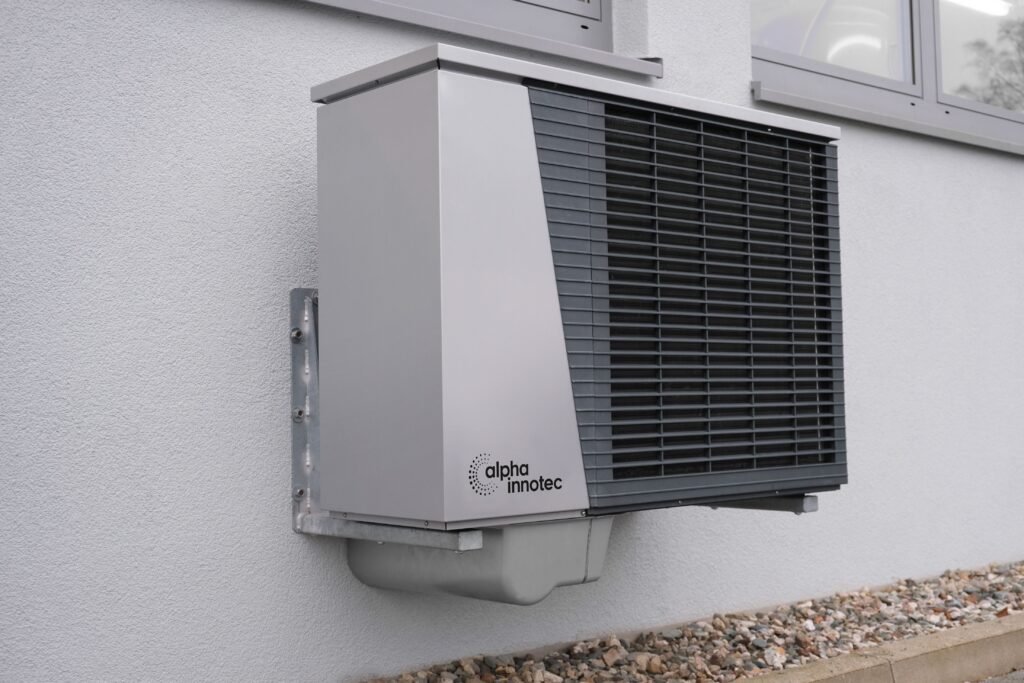
Thinking about replacing your gas boiler with a heat pump?
Heat pumps are becoming an increasingly popular way to heat UK homes thanks to their energy efficiency, lower carbon emissions and generous government grants.
But how much should you expect to pay?
In 2026, a professionally installed air source heat pump typically costs between £8,000 and £18,000 before grants. Thanks to the Boiler Upgrade Scheme, many homeowners in England and Wales can reduce the upfront cost by £7,500, making the final price significantly more affordable.
Here’s everything you need to know before requesting quotes.
Heat pump costs at a glance
| Heat pump type | Estimated 2026 cost |
|---|---|
| Air source heat pump | £8,000–£18,000 |
| Ground source heat pump | £15,000–£35,000 |
| Air-to-air heat pump | £2,500–£6,000 |
| Annual servicing | £150–£300 |
For many homeowners eligible for the Boiler Upgrade Scheme, an air source heat pump may cost as little as £500–£10,500 after the £7,500 grant, depending on the property and installation.
What affects the cost?
Type of heat pump
Air source heat pump
The most common option in the UK.
Benefits include:
- Lower installation cost
- Suitable for most homes
- Lower carbon emissions
- Can work with existing heating systems
Ground source heat pump
Ground source systems use underground pipes to collect heat.
Advantages include:
- Excellent efficiency
- Lower running costs
- Long lifespan
However, installation is much more expensive because excavation work is required.
Property size
Larger homes require larger heat pumps and may need:
- More pipework
- Larger hot water cylinders
- Additional radiators
- Higher installation costs
Existing heating system
Some homes require upgrades before a heat pump can operate efficiently.
This may include:
- Larger radiators
- New pipework
- Improved insulation
- Hot water cylinder installation
These upgrades can increase the total cost.
Insulation
Heat pumps work most efficiently in well-insulated homes.
If your property has poor insulation, your installer may recommend improvements before installation.
Boiler Upgrade Scheme
The Boiler Upgrade Scheme (BUS) helps eligible homeowners in England and Wales reduce the cost of installing low-carbon heating.
Current grants include:
- £7,500 towards an air source heat pump
- £7,500 towards a ground source heat pump
- £2,500 towards an air-to-air heat pump
- £5,000 towards a biomass boiler
Some eligible off-grid properties heated by oil or LPG may qualify for an even higher grant until March 2027. Applications are made through an MCS-certified installer.
Running costs
Running costs depend on:
- Electricity prices
- Home insulation
- Property size
- Heat pump efficiency
- Heating habits
When properly designed and installed in a well-insulated home, a heat pump can be economical to run, particularly when replacing older or less efficient heating systems.
Is a heat pump worth it?
For many homeowners, yes.
Benefits include:
✔ Lower carbon emissions
✔ Highly energy efficient
✔ Consistent home heating
✔ Eligible for government grants
✔ Can work with underfloor heating
✔ No gas combustion
Although installation costs are higher than replacing a gas boiler, government grants can significantly reduce the upfront expense.
How long does installation take?
Typical installation times are:
| Installation | Approximate time |
|---|---|
| Air source heat pump | 2–5 days |
| Ground source heat pump | 1–3 weeks |
Projects requiring radiator upgrades or insulation improvements may take longer.
Hidden costs
Before accepting a quote, check whether it includes:
- Heat pump unit
- Installation
- Hot water cylinder
- Radiator upgrades
- Electrical work
- Pipework
- System commissioning
- VAT
- Boiler removal
Always ask for a full written quotation.
How to save money
Check if you’re eligible for a grant
Many homeowners qualify for the Boiler Upgrade Scheme, which can reduce installation costs by thousands of pounds.
Compare several installers
Get at least three quotes from MCS-certified installers to compare prices and system designs. MCS certification is generally required to access Boiler Upgrade Scheme funding.
Improve insulation first
Good insulation allows a heat pump to work more efficiently and may reduce your long-term energy costs.
Frequently Asked Questions
Are heat pumps cheaper to run than gas boilers?
It depends on your home, insulation levels and energy tariffs. A properly designed heat pump in a well-insulated property can be very efficient.
How long does a heat pump last?
Most heat pumps last 15–20 years, with regular servicing helping to maximise their lifespan.
Do I need new radiators?
Not always.
Some homes can use their existing radiators, while others may need larger ones to achieve the best performance.
Can I get a government grant?
Many homeowners in England and Wales can apply through an MCS-certified installer for the Boiler Upgrade Scheme if they meet the eligibility requirements.
Final thoughts
A heat pump is a significant investment, but it can provide efficient, low-carbon heating for many years.
With government grants reducing installation costs and energy-efficient technology continuing to improve, it’s becoming an increasingly attractive alternative to traditional gas boilers.
Before making a decision, compare several installers, check your eligibility for grants and make sure you understand exactly what’s included in the quote.
Find a trusted heat pump installer
Thinking about installing a heat pump?
Use The Right Guy to compare trusted local heat pump installers and heating engineers, read genuine customer reviews and request quotes from experienced professionals near you.
Own a heating or renewable energy business? Create your free business listing on The Right Guy and help more homeowners discover your services.

Author: The Right Guy Team
UK service guides published by The Right Guy Ltd.