
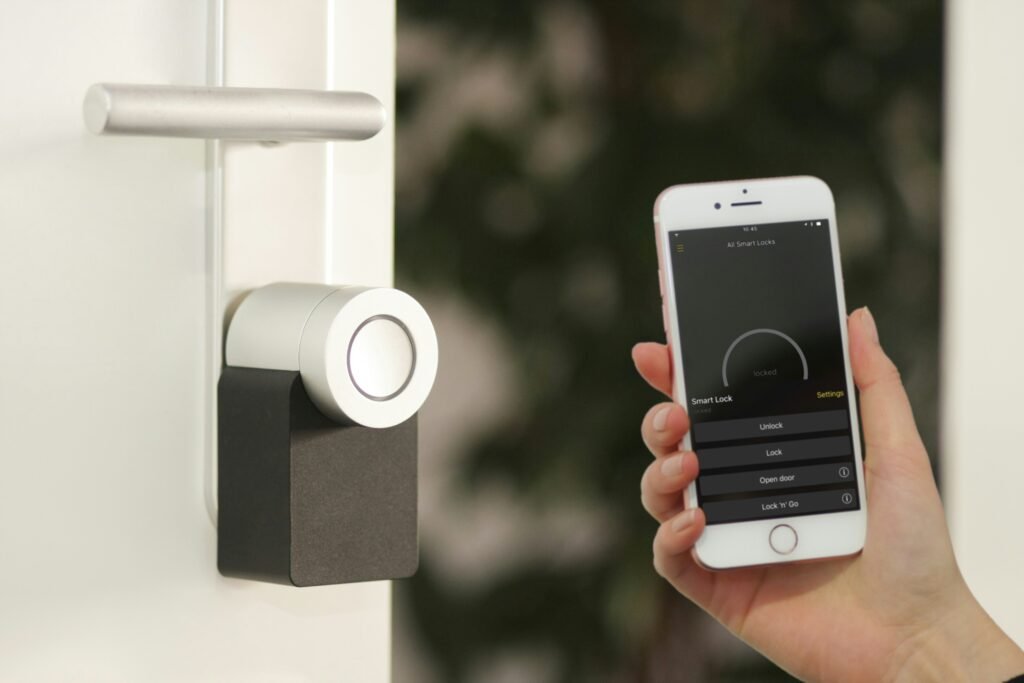
From controlling your heating with your phone to answering the front door from anywhere in the world, smart home technology is no longer just a luxury—it’s becoming part of everyday life.
Whether you’re installing a smart thermostat or transforming your entire home into a fully automated system, it’s worth understanding the costs before you begin.
So, how much does smart home installation cost in 2026?
For most UK homeowners, smart home installation costs range from £300 to £5,000+, depending on the number of devices, the level of automation and whether professional installation is required.
Smart home installation costs at a glance
| Smart home feature | Estimated 2026 cost |
|---|---|
| Smart thermostat | £250–£450 |
| Smart doorbell | £150–£350 |
| Smart security cameras | £250–£1,000 |
| Smart lighting installation | £300–£1,200 |
| Smart locks | £250–£500 per door |
| Multi-room smart home system | £2,000–£5,000+ |
| Whole-home automation | £5,000–£20,000+ |
These are average UK prices, including installation where required.
What affects the cost?
Number of devices
The more smart devices you install, the higher the cost.
Many homeowners start with:
- Smart thermostat
- Video doorbell
- Smart lighting
- Security cameras
before expanding their system over time.
Wired or wireless?
Most modern smart devices connect using Wi-Fi, making installation relatively straightforward.
However, larger properties or high-end automation systems may benefit from wired installations, which generally cost more but can offer greater reliability.
Professional installation
Some smart devices are designed for DIY installation.
Others—such as smart heating controls, electrical work or integrated home automation systems—should be installed by a qualified professional.
Your property’s size
Larger homes usually require:
- More lighting circuits
- Additional Wi-Fi coverage
- More cameras
- More sensors
This naturally increases installation costs.
Most popular smart home upgrades
Smart thermostat
A smart thermostat lets you control your heating remotely using your smartphone.
Popular features include:
- Heating schedules
- Remote control
- Energy monitoring
- Frost protection
- Voice control
Many homeowners install one to improve convenience and reduce energy consumption.
Smart lighting
Control lights using:
- Mobile apps
- Voice assistants
- Timers
- Motion sensors
You can even create different lighting scenes for evenings, movie nights or entertaining guests.
Smart security cameras
Modern systems allow you to:
- View live footage remotely
- Receive motion alerts
- Record video
- Speak through two-way audio
Many systems integrate with video doorbells and smart alarms.
Smart doorbells
Video doorbells let you see who’s at your door—even when you’re away from home.
Many also include:
- Motion detection
- Night vision
- Package alerts
- Smartphone notifications
Smart locks
Forget spare keys.
Smart locks can allow access using:
- Smartphone
- PIN code
- Fingerprint
- Temporary digital keys
They’re particularly popular with landlords and holiday let owners.
Is a smart home worth it?
For many homeowners, yes.
Benefits include:
- Greater convenience
- Improved security
- Better energy management
- Remote access
- Increased comfort
- Potentially lower energy bills
You don’t need to automate your entire home to enjoy these advantages.
Even a few smart devices can make a noticeable difference.
Does smart home technology add value?
There’s no guaranteed increase in property value.
However, buyers increasingly expect modern features such as:
- Smart heating
- Security cameras
- Video doorbells
- Fast internet
- Energy-efficient technology
These upgrades can make a property more attractive and help it stand out in a competitive market.
Can you install smart home devices yourself?
Some products, such as smart plugs, speakers and light bulbs, are suitable for DIY installation.
However, devices involving your home’s electrical system—such as smart consumer units, thermostats or new wiring—should be installed by a qualified electrician.
How to save money
Start small
You don’t need to automate your whole house immediately.
Many homeowners begin with:
- Smart thermostat
- Video doorbell
- Smart lighting
and gradually add more devices.
Choose compatible products
Buying devices that work together can save money in the future and make your system easier to manage.
Compare installation quotes
If professional installation is needed, get at least three quotes.
Ask whether the price includes:
- Installation
- Setup
- App configuration
- Demonstration
- Warranty
- VAT
Frequently Asked Questions
Is smart home technology expensive?
Not necessarily.
You can start with a single smart device for a few hundred pounds and expand your system over time.
Do I need fast broadband?
A reliable internet connection is recommended, especially if you plan to install multiple smart devices.
Can I control everything from one app?
Many manufacturers offer integrated apps, although compatibility varies between brands.
Does a smart home still work if the internet goes down?
Some devices continue to function locally, while others may lose remote features until the connection is restored.
Final thoughts
Smart home technology isn’t just about convenience—it’s about making your home safer, more efficient and better suited to modern living.
Whether you’re installing a smart thermostat or creating a fully automated home, choosing compatible products and using experienced installers can help you get the most from your investment.
Start with the features you’ll use every day, then expand your system as your needs and budget grow.
Find a trusted smart home installer
Ready to upgrade your home?
Use The Right Guy to compare trusted local electricians, smart home installers and home automation specialists, read genuine customer reviews and request quotes near you.
Own an electrical or smart home business? Create your free business listing on The Right Guy and help more homeowners discover your services.

Author: manager
Company test