
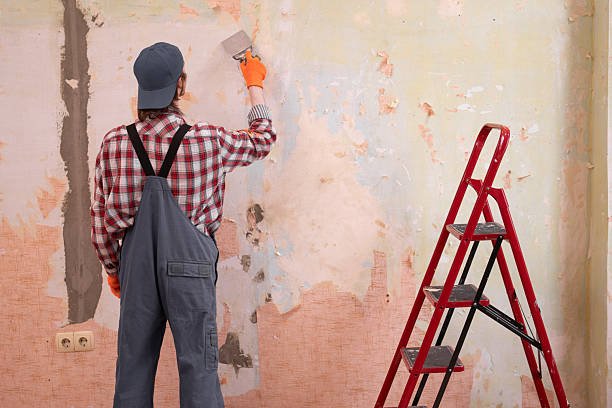
Wallpaper can transform a room far more dramatically than a simple repaint. A strong pattern can turn one wall into a feature, textured paper can add depth to a neutral scheme, and good-quality wallpaper can make a room feel much more finished.
The downside is that wallpapering is often more labour-intensive than homeowners expect.
So, how much does wallpapering cost in the UK in 2026?
For professional installation, current UK pricing puts labour at around £12–£16 per m², with an average of approximately £14 per m². For a typical full room, labour alone commonly costs around £350–£500, with approximately £450 as a current national benchmark.
Once wallpaper is added, the total can vary enormously because wallpaper itself ranges from inexpensive mass-market rolls to premium designer papers costing hundreds of pounds.
As a practical starting point:
| Wallpapering job | Typical 2026 UK cost |
|---|---|
| Labour only | £12–£16 per m² |
| Average labour rate | Around £14 per m² |
| Standard room, labour only | £350–£500 |
| Current room average | Around £450 |
| Wallpaper materials | Often £5–£60+ per roll |
| Labour + mid-range wallpaper | Roughly £32–£56 per m² in current national guidance |
| Wallpaper removal | Around £350–£450 per room |
| Remove wallpaper + redecorate | Can reach £750+ per room |
The most important thing is not to compare quotes based only on the price of hanging the paper.
A decorator may also need to remove old wallpaper, repair plaster, line the walls, prime the surface and deal with awkward pattern matching before the finished paper goes anywhere near the wall.
How Much Does a Decorator Charge to Hang Wallpaper?
Current Checkatrade 2026 pricing puts professional wallpaper hanging at approximately £12–£16 per m², averaging around £14 per m² for labour.
For a complete room, that commonly translates to:
£350–£500 labour
with:
around £450 as an average.
Suppose your room has approximately 35m² of wall area requiring wallpaper.
At £12 per m²:
35 × £12 = £420
At £14 per m²:
35 × £14 = £490
At £16 per m²:
35 × £16 = £560
That already shows why a complete room can cost several hundred pounds before the wallpaper itself is purchased.
How Much Does It Cost to Wallpaper One Room?
For a typical room, allow approximately £350–£500 for professional labour alone.
Checkatrade currently uses £450 as the average labour price for wallpapering a room around 4.4m × 3.3m.
MyBuilder’s August 2026 guide gives an overall average wallpapering cost of roughly £400 including wallpaper and installation, although the final figure depends heavily on the paper chosen and preparation required.
That difference is exactly why generic averages need context.
A small bedroom using inexpensive paper could cost considerably less than a large lounge using premium designer wallpaper.
How Much Does Wallpaper Cost?
Wallpaper prices vary more than labour.
Current Checkatrade listings show wallpaper itself commonly ranging from approximately £5 to £60 per roll, depending on design and quality.
Older national cost guidance also places wallpaper at roughly £20–£40 per m² for many mid-range products, although premium papers can go well beyond that.
That means material cost can sometimes exceed the labour.
Imagine you need eight rolls.
Budget wallpaper
8 rolls × £15 = £120
Mid-range wallpaper
8 rolls × £40 = £320
Premium wallpaper
8 rolls × £90 = £720
The decorator’s labour might be exactly the same room in all three cases.
The paper choice changes the total dramatically.
Labour and Materials Together
Checkatrade’s current wallpapering guidance gives a broad £32–£56 per m² including labour and wallpaper, with approximately £44 per m² as an average based on its pricing model.
For 30m²:
30 × £32 = £960
to:
30 × £56 = £1,680
That may look much higher than a £450 room labour quote because the calculation includes wallpaper material.
This is why you should always establish whether a quote is:
labour only
or:
labour + wallpaper + preparation.
How Much Does a Feature Wall Cost?
A single feature wall is usually considerably cheaper than wallpapering an entire room.
Suppose the wall is 4m wide and 2.4m high:
4 × 2.4 = 9.6m²
At £12–£16 per m² labour:
9.6 × £12 = £115.20
to:
9.6 × £16 = £153.60
However, a decorator may apply a minimum booking charge, meaning the actual labour quote could be closer to £150–£250.
Add wallpaper.
If the paper costs £45 per roll and you need three rolls:
3 × £45 = £135
Total:
around £285–£385
for the completed feature wall.
Premium wallpaper could push the price substantially higher.
Why Does Wallpapering Cost More Than People Expect?
The visible part of the job is only the final stage.
A decorator may need to:
- remove switch plates;
- protect floors;
- check wall condition;
- fill cracks;
- sand repairs;
- remove old adhesive;
- apply lining paper;
- size or prime walls;
- calculate pattern repeats;
- cut drops accurately;
- match patterns;
- trim around sockets;
- clean adhesive residue.
Wallpapering is unforgiving.
With paint, a small mistake can often be rolled over.
With wallpaper, a badly matched drop can remain visible for years.
Pattern Matching Can Increase the Cost
Not all wallpaper is equally easy to hang.
A plain textured paper may involve almost no pattern matching.
A large botanical print can require precise alignment from one drop to the next.
That means more:
- cutting;
- measuring;
- material waste;
- installation time.
Common pattern types include:
free match
No specific pattern alignment between strips.
straight match
The pattern aligns at the same height across adjacent strips.
drop match
The pattern repeats diagonally, meaning each new strip needs careful offsetting.
Drop-match wallpaper often creates more waste because extra paper is needed to align the design correctly.
This is why decorators may want to know the wallpaper brand and pattern number before quoting.
How Many Rolls of Wallpaper Do You Need?
A standard UK wallpaper roll is commonly around 10 metres long and 52–53cm wide, although not every product uses the same dimensions.
The easiest option is usually to use the manufacturer’s roll calculator.
You will need:
- wall width;
- wall height;
- number of walls;
- pattern repeat.
Do not calculate purely by square metres and assume there will be zero waste.
Wallpaper must be cut into complete vertical drops.
If your wall is 2.4m high, a 10m roll theoretically gives four full drops before accounting for pattern matching and trimming.
But a large pattern repeat may reduce that.
It is usually worth buying at least one spare roll where practical, especially for patterned wallpaper.
Why Batch Numbers Matter
When ordering wallpaper, check the batch number.
Wallpaper made in different production runs can sometimes have slight colour variation.
Two rolls that look identical in packaging may appear subtly different once hung beside each other.
For that reason, buy enough paper from the same batch for the entire room wherever possible.
If you later need another roll, matching the original batch may be difficult.
This is particularly important for expensive or discontinued designs.
How Much Does It Cost to Remove Old Wallpaper?
Wallpaper removal can add substantially to the project.
Current Checkatrade guidance puts wallpaper removal at approximately £350 per room, while MyJobQuote’s May 2026 data gives an average closer to £450.
The job can take approximately one to two days depending on the paper and wall condition.
Some wallpaper comes away relatively cleanly.
Other walls may contain:
- several wallpaper layers;
- painted wallpaper;
- vinyl paper;
- woodchip;
- old adhesive;
- damaged plaster.
That can turn stripping into a major job.
How Much Does It Cost to Remove Wallpaper and Re-Decorate?
Current Checkatrade guidance gives approximately:
£350 to remove wallpaper
plus:
£400 to paint the room
for a combined total around:
£750 per room.
If you are removing wallpaper only to repaint, compare that cost against leaving suitable existing wallpaper in place or repairing limited areas where appropriate.
But do not simply paint over badly damaged or lifting paper because removing it properly was inconvenient.
The finish will only be as good as the surface underneath.
If you’re considering paint rather than wallpaper, our guide to how much it costs to paint a house in the UK gives a broader comparison of professional decorating costs.
What Is Lining Paper and Do You Need It?
Lining paper is hung underneath the decorative wallpaper.
Its purpose can include:
- providing a more uniform surface;
- helping disguise small imperfections;
- creating a suitable base for expensive decorative paper.
It is not a substitute for repairing badly damaged walls.
Large holes, loose plaster or serious defects still need proper repair.
Adding lining paper increases both material and labour costs because the decorator is effectively wallpapering the room twice:
lining paper first
then:
decorative paper.
This can add another day’s work or more depending on room size.
Should Walls Be Plastered Instead of Lined?
It depends on their condition.
Lining paper can help with:
- small surface imperfections;
- older walls;
- minor unevenness.
But if the plaster is:
- loose;
- badly cracked;
- heavily damaged;
- extremely uneven;
proper plaster repair or skim coating may be the better solution.
There is little point spending £600 on expensive wallpaper if the surface underneath is failing.
A good decorator should tell you when the wall needs more than preparation.
How Much Does Woodchip Wallpaper Removal Cost?
Woodchip has a reputation for being particularly unpleasant to remove.
Checkatrade currently gives approximately £220 per person per day for woodchip wallpaper removal.
The difficulty depends on:
- how well it was originally bonded;
- whether it has been painted;
- number of layers;
- wall condition underneath.
Once removed, the plaster may also need substantial repair.
This can turn what appears to be a decorating project into a larger renovation.
How Much Does Wallpapering a Hall, Stairs and Landing Cost?
Hallways, stairs and landings can be significantly more expensive than ordinary rooms.
The challenge is not only wall area.
There may be:
- high stairwell walls;
- awkward corners;
- numerous doors;
- difficult access;
- ladders or platforms;
- detailed cutting around bannisters.
A decorator may charge several days of labour rather than pricing purely per square metre.
With a current painter/decorator day rate averaging around £325, two or three working days alone can mean £650–£975 of labour before paper and specialist access equipment are considered.
This is one area where professional hanging can be particularly worthwhile.
How Much Does Wallpapering a Bedroom Cost?
For a standard bedroom, around £350–£500 labour is a reasonable current benchmark for full-room wallpapering.
Add paper.
For example:
Labour: £450
Six rolls at £30 each:
£180
Adhesive/preparation materials: £30–£50
Total:
approximately £660–£680
If the same room uses premium £80 rolls:
Six rolls:
£480
Total:
around £960–£980
The wall dimensions have not changed.
The wallpaper choice nearly adds £300.
How Much Does Wallpapering a Living Room Cost?
Living rooms tend to cost more because they are often larger.
A typical project might fall around £450–£800+ for labour and standard materials, with premium wallpaper pushing the total beyond £1,000.
Large living rooms may contain:
- chimney breasts;
- alcoves;
- bay windows;
- several doors;
- radiators;
- built-in furniture.
These all create additional cutting and pattern matching.
A bold patterned wallpaper can be particularly effective in a living space, especially when coordinated with warmer modern palettes. If you are planning the overall scheme, our guide to living room colour trends for 2026 can help you think about how the wallpaper will work with paint, furnishings and natural light.
Wallpapering a Chimney Breast
A chimney breast is one of the most popular places for a feature wallpaper.
The wall area is relatively small, but the edges need to be aligned carefully.
For a straightforward chimney breast, labour might fall around £100–£200+, depending on the decorator’s minimum charge and complexity.
Add wallpaper.
Because the area is small, this can be an excellent place to use a more expensive design without paying to cover the entire room.
For example:
Two premium rolls at £80:
£160
Labour:
£150
Total:
around £310
That can create a much stronger design impact than buying cheaper paper for four entire walls.
Does Wallpaper Type Affect Labour?
Yes.
Standard paste-the-paper wallpaper
The adhesive is applied to the paper before hanging.
This requires pasting space and suitable soaking time.
Paste-the-wall wallpaper
Adhesive is applied directly to the wall.
This can make installation more straightforward and reduce mess in some situations.
Vinyl wallpaper
Often heavier and more durable, but installation depends on product specification.
Textured wallpaper
Can help disguise minor imperfections, although alignment still matters.
Grasscloth and natural fibre wallcoverings
These can be significantly more demanding.
Natural materials may show joins deliberately and can be sensitive to adhesive or handling.
Murals
Murals often consist of individually numbered panels.
If one panel is misaligned, the entire design can be affected.
Specialist papers can therefore justify higher labour rates.
Does Wallpapering Cost More With Designer Wallpaper?
The decorator’s labour does not automatically become twice as expensive simply because the paper costs more.
But many decorators will work more slowly and cautiously with expensive materials.
Imagine making a cutting mistake with:
£15-per-roll wallpaper
versus:
£150-per-roll wallpaper.
The financial consequence is completely different.
Premium wallcoverings can also require:
- specialist adhesive;
- lining paper;
- additional preparation;
- specific hanging techniques.
Tell the decorator exactly which paper you are buying before accepting the quote.
Should You Wallpaper All Four Walls?
Not necessarily.
Feature walls remain popular because they allow you to use pattern without dominating the room.
Wallpapering one wall can also significantly reduce the budget.
If the wallpaper costs £60 per roll and:
one wall needs 3 rolls
while:
the entire room needs 9 rolls
your material costs change from:
£180
to:
£540
before extra labour.
Whether a feature wall works depends on the room layout and design.
If the remaining walls will be painted, choosing the paint colour carefully becomes important. Our practical guide to choosing paint colours can help you coordinate the wallpaper with the rest of the room.
Wallpaper vs Paint: Which Is Cheaper?
Paint is generally cheaper.
Current Checkatrade 2026 pricing puts painting a medium room around £450 including standard trade paint and labour. Wallpapering the same general room is around £350–£500 for labour alone, before the paper is purchased.
Suppose:
Paint
Complete room: £450
Wallpaper
Labour: £450
Paper: £300
Total: £750
Wallpaper costs more.
But the comparison is not purely financial.
Wallpaper can provide:
- pattern;
- texture;
- designs impossible to reproduce easily with paint;
- stronger feature walls.
The best option depends on the look you want.
Can You Wallpaper Over Existing Wallpaper?
Sometimes technically, but it is rarely the best default approach.
Problems can include:
- existing seams showing through;
- weak old adhesive;
- bubbling;
- uneven texture;
- poor bonding;
- hidden wall damage.
If the old wallpaper is already lifting, the new layer will only be as stable as the failing paper underneath.
For a long-lasting professional result, stripping and properly preparing the surface is usually preferable.
Can You Wallpaper Over Painted Walls?
Yes, provided the wall is suitable and properly prepared.
A decorator may need to:
- clean the wall;
- fill defects;
- sand;
- seal or size it;
- apply appropriate primer.
Highly glossy paint can require more preparation than a clean matt surface.
Do not assume wallpaper adhesive will bond equally well to every painted finish without preparation.
Can Wallpaper Hide Bad Walls?
It can hide minor imperfections.
It cannot repair structural defects.
Wallpaper may disguise:
- small surface irregularities;
- fine cracks;
- minor marks.
It will not solve:
- loose plaster;
- serious damp;
- significant cracking;
- crumbling surfaces.
Thicker textured wallpaper and lining paper can improve appearance, but serious defects should be repaired first.
If damp is present, diagnose and correct the moisture problem before covering it.
How Long Does Wallpapering Take?
For a standard room, approximately one to two days is common for straightforward hanging once the walls are ready.
Preparation can extend that significantly.
A project involving:
- wallpaper stripping;
- wall repairs;
- lining paper;
- decorative paper;
could take several days.
The pattern also matters.
A simple free-match paper is faster than an intricate drop-match design requiring careful alignment.
Is Professional Wallpapering Worth It?
It depends partly on the wallpaper.
If you have bought £10-per-roll paper for a small spare bedroom, DIY may be worth attempting.
If you have spent £800 on designer wallpaper for a main living room, paying several hundred pounds for professional installation becomes much easier to justify.
Professional hanging is particularly valuable when:
- paper is expensive;
- patterns are complicated;
- walls are uneven;
- staircases are involved;
- there are many corners or architectural features;
- the finish needs to be extremely good.
A badly wallpapered wall can be difficult to ignore.
Misaligned patterns make errors particularly obvious.
Can You Wallpaper a Room Yourself?
Yes.
A straightforward square room with simple wallpaper can be a realistic DIY project.
You will need:
- pasting table where relevant;
- adhesive;
- sharp blades;
- straightedge;
- smoothing brush/tool;
- seam roller where appropriate;
- level or plumb line;
- patience.
The first drop matters enormously because every later drop follows it.
If the first strip is slightly crooked, the error can become increasingly obvious around the room.
DIY is much less attractive on stairs or with expensive paper.
How Much Can DIY Wallpapering Save?
Potentially several hundred pounds.
If professional labour is £350–£500 per room, doing the installation yourself saves that amount before accounting for your own tools and time.
Suppose:
Wallpaper: £250
Tools/adhesive: £50
DIY total:
£300
Professional labour:
£450
Professional total:
£750
Potential cash saving:
£450
But if you ruin two £80 rolls through mistakes, part of the saving disappears quickly.
How to Save Money on Professional Wallpapering
Strip old wallpaper yourself
This can save substantial labour where the wall is straightforward.
But stop if you discover:
- damaged plaster;
- damp;
- loose surfaces.
You do not want to make repairs more expensive.
Clear the room
Remove furniture, pictures and curtains.
Give the decorator unobstructed access.
Buy enough wallpaper at once
This reduces the risk of needing another batch later.
Use premium wallpaper strategically
A £100-per-roll design can work beautifully on one feature wall without spending £1,000 papering the whole room.
Prepare several rooms together
If you’re redecorating multiple rooms, asking one decorator to complete them together can reduce repeated setup and travel.
What Should a Wallpapering Quote Include?
Ask the decorator to specify:
- wallpaper removal;
- wall preparation;
- filling;
- sanding;
- lining paper;
- wallpaper hanging;
- adhesive;
- whether wallpaper is supplied by you;
- disposal of old wallpaper;
- VAT where applicable;
- estimated duration.
For example:
Wallpaper bedroom – £620
Includes:
removal of existing paper, minor preparation, lining paper and installation of customer-supplied wallpaper.
That is far more useful than:
Wallpaper room – £620.
Questions to Ask Before Hiring a Decorator
Ask:
Is old wallpaper removal included?
Do my walls need lining paper?
Does the price include adhesive?
Should I buy the wallpaper or will you supply it?
How many rolls should I order?
Should I buy a spare roll?
Have you worked with this specific wallpaper type before?
Will any plaster repairs cost extra?
Is VAT included where applicable?
How long will the room take?
If the wallpaper is particularly expensive, show the decorator the product before agreeing the final price.
Frequently Asked Questions
How much does wallpapering cost in the UK?
Professional wallpaper hanging currently costs around £12–£16 per m² for labour, averaging approximately £14 per m². A full room typically costs around £350–£500 labour only, with £450 as the current national benchmark.
How much does it cost to wallpaper a room?
Around £350–£500 for labour is a useful starting budget for a standard room. Wallpaper is additional unless included in the quote.
How much does wallpaper cost per roll?
Current UK listings commonly range around £5–£60 per roll, although premium and designer papers can cost far more.
How much does wallpaper removal cost?
Current guides put professional wallpaper stripping around £350–£450 per room, depending on the wall and wallpaper type.
How much does it cost to remove wallpaper and repaint?
Current Checkatrade estimates are around £750 per room, comprising approximately £350 removal and £400 painting.
Is wallpaper more expensive than paint?
Usually, yes.
The labour to wallpaper a room can already be similar to the complete cost of painting a medium room, and the wallpaper material then needs to be added.
How long does wallpapering take?
A straightforward room can often be completed within one to two days once the surface is ready. Wallpaper removal, lining and extensive repairs can extend the project.
Do decorators supply wallpaper?
Usually homeowners choose and purchase the decorative paper themselves, but arrangements vary. Some decorators can order it for you.
Always agree who is supplying both wallpaper and adhesive before work begins.
Should I buy an extra roll?
Usually, yes, particularly for patterned wallpaper. Extra paper can cover pattern waste, accidental damage and future small repairs.
Try to buy all rolls from the same production batch.
So, How Much Should You Budget for Wallpapering?
For professional wallpapering in the UK in 2026, a sensible starting budget is approximately:
£12–£16 per m² for labour
£350–£500 labour for a typical room
around £450 as a current average room labour price
with wallpaper itself adding anything from relatively modest amounts to hundreds or even thousands of pounds depending on the design.
For a standard room using mid-range wallpaper, budgeting around £600–£1,000 all-in gives a more realistic idea of what many projects can cost once paper and basic materials are included.
But wall condition can change everything.
If existing wallpaper must be stripped, the plaster needs repairs and lining paper is required, the total could climb well beyond £1,000 even before premium wallpaper is considered.
The most useful quotation therefore separates:
preparation + removal + lining + hanging + materials.
That allows you to understand exactly where the money is going.
If you need professional help with wallpapering or decorating, The Right Guy can help you discover local painters and decorators. When requesting quotes, send the decorator the wallpaper product you intend to use, photographs of the current walls and details of whether old paper needs removing so businesses can price the same job accurately.

Author: The Right Guy Team
UK service guides published by The Right Guy Ltd.