
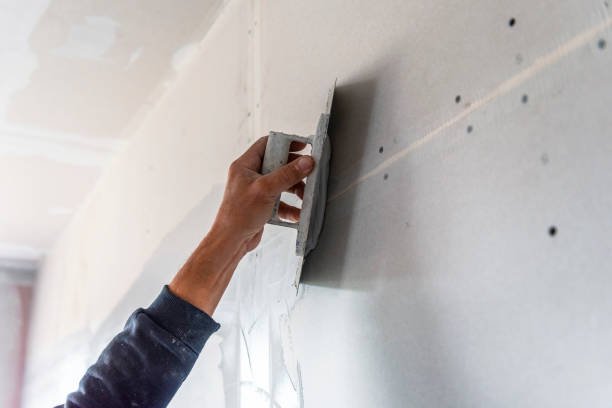
Damaged plaster can make an otherwise tidy room look unfinished, but the good news is that many plaster problems can be repaired without replastering the entire room.
In 2026, small plaster repairs in the UK can start from around £150–£200, while larger areas, damaged ceilings or walls that need extensive preparation can cost several hundred pounds. A simple crack repair may be around £200, while skimming costs average roughly £24 per m². More extensive work can move towards the cost of replastering the whole room.
The final price depends on what has caused the damage, how large the affected area is, whether plasterboard underneath also needs replacing and how much preparation is required before a smooth finish can be achieved.
This guide explains how much plaster repair costs in the UK in 2026, including cracks, holes, blown plaster, ceiling repairs and water-damaged areas, plus when repairing stops making sense and full replastering becomes the better option.
Average plaster repair cost in the UK
These figures provide a useful starting point for common plaster repairs.
| Plaster repair | Typical UK cost |
|---|---|
| Small patch repair | £150–£200 |
| Small crack repair | Around £200 |
| Minor wall repairs | Around £150–£300 |
| Larger wall patching | Around £250–£500+ |
| Skim plastering | Around £24 per m² |
| Small ceiling skim | £200–£350 |
| Medium ceiling skim | £280–£440 |
| Large ceiling skim | £425–£725 |
| Replace small damaged ceiling | £400–£600 |
| Replace large damaged ceiling | £750–£1,000 |
| Plasterer day rate | Around £300 |
| Extensive room replastering | £1,100–£1,900+ |
Current UK estimates put a small ceiling patch at around £150–£200, while a straightforward plaster crack repair can cost around £200. Full skimming or replastering is substantially more expensive because the tradesperson is treating much more of the surface.
These prices should be treated as budgeting ranges rather than fixed quotes. A repair that looks small from across the room may involve damaged plasterboard, loose surrounding plaster or an underlying leak that needs fixing first.
How much does it cost to repair a small patch of plaster?
A small plaster patch repair will typically cost around £150–£200 when carried out professionally.
This might apply to damage such as:
- a localised hole;
- a damaged section after electrical or plumbing work;
- impact damage;
- a small area where plaster has come away;
- a limited ceiling patch; or
- a previously repaired section that needs finishing properly.
Current UK ceiling-repair pricing puts small patch and repair work at around £150–£200 per project, averaging approximately £175.
The actual materials involved are often inexpensive. Most of the price comes from the tradesperson’s time.
A small repair can still require:
- protecting the surrounding area;
- removing loose material;
- preparing the surface;
- filling or patching;
- applying plaster;
- smoothing the repair;
- allowing suitable drying time; and
- potentially returning for additional finishing.
That is why a hole the size of your hand does not necessarily result in a £20 plastering bill.
How much does it cost to repair cracked plaster?
A straightforward professional plaster crack repair can cost around £200, although very small cosmetic cracks may cost less when repaired alongside other work.
Before repairing a crack, however, it is important to understand why it appeared.
Some fine cracks occur because of:
- normal drying;
- minor movement;
- shrinkage;
- changes in temperature;
- older plaster; or
- previous decorating work.
Others can result from movement or problems behind the surface.
Simply filling a crack without dealing with the cause can result in the same line reappearing later.
For widespread hairline cracking on otherwise sound walls, a plasterer may recommend skimming the surface rather than individually filling dozens of cracks.
At an average current rate of around £24 per m² for skim plastering, this can sometimes provide a better finish than repeatedly patching isolated areas.
How much does it cost to repair a hole in a plaster wall?
A small hole in an internal wall may cost roughly £150–£250 to repair professionally, depending on its size and whether the plasterboard underneath has also been damaged.
Tiny fixing holes from pictures or shelves are normally straightforward DIY filling jobs.
Larger holes are different.
For example, if an impact has gone through the plaster and damaged plasterboard, the repair may involve:
- cutting away damaged material;
- creating a neat opening;
- installing support where necessary;
- inserting new plasterboard;
- taping or preparing joints;
- applying plaster; and
- feathering the repair into the surrounding wall.
Once plasterboard is involved, the job becomes more than simply applying filler.
For context, current UK plasterboard installation prices average around £16 per m² for walls, before the additional cost of skimming the surface for a finished appearance.
For a small patch, contractors will usually charge based on the job rather than calculate a literal square-metre price.
How much does ceiling plaster repair cost?
Ceiling repairs are often more expensive than equivalent wall repairs because the work is physically more difficult and access can be more awkward.
Current UK estimates put small ceiling patch repairs at £150–£200, while skimming a ceiling costs approximately:
| Ceiling size | Typical skim cost |
| Small ceiling – around 9m² | £200–£350 |
| Medium ceiling – around 15m² | £280–£440 |
| Large ceiling – around 25m² | £425–£725 |
A small ceiling averages around £275 to skim, a medium ceiling around £360 and a large ceiling around £575.
If the ceiling itself needs replacing rather than simply repairing, the cost rises further.
Replacing an entire ceiling can be around £400–£600 for a small room and approximately £750–£1,000 for a larger room.
The difference comes down to what remains structurally sound.
A surface crack may need patching or skimming.
A badly damaged ceiling may require plasterboard removal and replacement before any finishing plaster can be applied.
How much does water-damaged plaster cost to repair?
Water-damaged plaster can be much more expensive than an ordinary cosmetic repair because the source of the moisture must be fixed first.
There is little point paying to repair a ceiling if the pipe or roof above is still leaking.
Water damage may affect:
- plaster;
- plasterboard;
- insulation;
- timber;
- electrical fittings;
- paint; and
- surrounding finishes.
For extensive ceiling damage caused by a water leak, current estimates can reach around £1,400–£1,700 when the repair includes additional work such as moving electrical fittings and replacing damaged plasterboard.
That figure should not be interpreted as the normal price of repairing a damp patch.
It illustrates how quickly the cost can escalate when damage extends beyond the decorative plaster layer.
A smaller leak that has caused a limited area of staining or damaged plaster may cost considerably less once the underlying leak has been dealt with.
How much does it cost to repair blown plaster?
“Blown plaster” describes plaster that has lost its bond with the surface behind it.
You may notice:
- hollow sounds when tapping the wall;
- bulging areas;
- loose sections;
- cracking;
- crumbling edges; or
- pieces beginning to detach.
The repair cost depends heavily on the size of the affected area.
One small section might be patched for a few hundred pounds.
If large areas have lost adhesion, the contractor may recommend removing the loose plaster and replastering or skimming much more of the wall.
This is where plaster repair can transition into a full plastering job.
Current UK estimates put skim plastering at around £24 per m², while full room plastering can cost around £1,100 for a small room and £1,900 for a larger room, depending on the condition and preparation required.
If several walls are affected, compare the patch-repair price against our complete guide to how much it costs to plaster a room in 2026.
How much does plaster repair cost per square metre?
For very localised repairs, tradespeople generally do not charge strictly by the square metre.
A one-square-metre patch still involves travelling to the property, preparing the area, mixing materials and completing the repair.
For larger areas, however, square-metre rates become more relevant.
Current estimates put straightforward skim plastering at around £24 per m².
For example:
10m² × £24 per m² = approximately £240
That could provide a rough starting estimate for skimming a larger sound surface, although preparation and local labour rates still need to be added where applicable.
If damaged existing plaster has to be hacked off first, the final cost will be higher than simply applying a skim coat over a stable surface.
What affects plaster repair cost?
The size of the damaged patch is important, but it is far from the only factor.
Size of the damaged area
One small crack is much cheaper to repair than several square metres of damaged plaster.
Once repairs spread across much of a room, replastering may become more economical.
Condition underneath the plaster
This can dramatically change the job.
If the underlying plasterboard or masonry remains sound, a surface repair may be relatively simple.
If plasterboard is damaged, additional materials and labour are required.
Wall or ceiling
Ceiling work generally costs more than an equivalent wall repair because it is more awkward to carry out.
Preparation
Loose plaster cannot simply be covered.
The plasterer may need to remove unstable material until reaching a solid edge before rebuilding the surface.
The larger the area that needs preparation, the greater the labour cost.
Cause of the damage
A hole caused by furniture impact is straightforward in principle.
Damage caused by persistent damp, leaking pipes or movement requires the underlying issue to be investigated.
Repairing the appearance without fixing the cause wastes money.
Surface finish
Matching existing textures or older decorative finishes can take longer than repairing a straightforward smooth wall.
Access
High ceilings, stairwells and awkward areas can require additional equipment and time.
Location
Plasterer rates vary across the UK.
Current estimates put a plasterer’s typical day rate around £300 for larger room plastering projects.
Local demand and operating costs can push that figure higher or lower.
Repair or replaster: which is cheaper?
Repair is normally cheaper when the damage is localised.
If one 30cm section of a wall has been damaged, replastering an entire room would clearly be unnecessary.
The decision becomes less obvious when:
- cracks cover most of the wall;
- numerous old repairs are visible;
- plaster is loose across large areas;
- the finish is heavily uneven;
- several walls need repairing; or
- the room is being completely redecorated anyway.
Imagine receiving a £500 quote to patch many different areas of a room.
If a complete skim costs only a few hundred pounds more, the full skim may produce a more consistent result and eliminate the patchwork of previous repairs.
Conversely, if the rest of the room is in excellent condition, there is little benefit in replacing sound plaster purely because one small section has failed.
Our 2026 room plastering cost guide can help you compare the likely full-plastering cost with the repair quote.
Do I need to repair plaster before painting?
Usually, yes, if you want a good finished result.
Paint will not disguise:
- deep cracks;
- holes;
- uneven patches;
- blown plaster;
- raised filler;
- damaged corners; or
- significant surface imperfections.
In fact, fresh paint can sometimes make surface defects more obvious because changing light across the wall highlights uneven areas.
A repaired plaster surface also needs enough time to dry before decorating.
Do not rush straight from fresh plaster into painting.
The appropriate drying time depends on the thickness of the plaster, ventilation, temperature and surrounding conditions.
Once the surface is ready, you can use our guide to how much it costs to paint a house in 2026 to budget for the decorating stage.
If you are hiring both a plasterer and decorator, ask whether the decorator expects to undertake any additional filling or sanding after the plaster repair.
Can I repair plaster myself?
Very small cosmetic repairs can be suitable for DIY.
Examples include:
- nail holes;
- small screw holes;
- shallow dents;
- very fine cosmetic cracks; and
- minor surface imperfections.
These can often be filled, sanded and redecorated using inexpensive materials.
Larger plaster repairs require considerably more skill.
Achieving a flat surface is one of the main challenges. An amateur repair may look acceptable while wet but become obvious once painted and illuminated from the side.
Ceilings are particularly difficult.
Larger holes involving plasterboard can also require a proper patch and reinforcement rather than simply filling the cavity with plaster.
DIY becomes much less attractive when:
- large areas are loose;
- plaster has fallen from a ceiling;
- water damage is present;
- the underlying wall is damaged;
- cracks keep returning; or
- a seamless decorative finish matters.
In those situations, a professional plasterer may provide better value than repeatedly repairing an unsuccessful DIY patch.
Should cracks in plaster worry me?
Not every plaster crack indicates a serious structural problem.
Fine cracks can occur for relatively ordinary reasons such as drying, shrinkage or small amounts of movement.
However, you should take more notice if a crack is:
- unusually wide;
- appearing suddenly;
- continuing to grow;
- repeatedly returning after repair;
- running diagonally from doors or windows;
- accompanied by sticking doors;
- associated with visible movement elsewhere; or
- present alongside other concerning changes to the building.
A plasterer can repair the finish, but they may not be the right professional to diagnose significant structural movement.
If the damage appears unusual or ongoing, establish the cause before spending money on cosmetic repairs.
How long does plaster repair take?
A small patch can often be completed within part of a day.
However, plastering involves working time and drying time, which are different things.
The plasterer may finish the physical repair quickly, but you still need to wait before decorating.
Larger jobs can take one or more days, especially when:
- loose plaster must be removed;
- plasterboard needs replacing;
- several areas require repair;
- ceilings are involved; or
- multiple coats or stages are necessary.
A small room can typically take around one day to plaster, while larger rooms may require two or three days before drying time is considered.
Patch repairs are usually faster, but the exact timescale depends on the repair method.
What should a plaster repair quote include?
A useful plastering quote should make clear what work is actually being undertaken.
Depending on the repair, this may include:
- removing loose plaster;
- preparing the damaged area;
- plasterboard repair or replacement;
- bonding or backing plaster;
- finishing plaster;
- corner beads where necessary;
- labour;
- protection of nearby surfaces;
- disposal of waste; and
- VAT where applicable.
Check whether decorating is included.
Usually, a plasterer will leave the surface ready for subsequent decorating rather than return to prime and paint the wall.
One quote may also involve repairing only the visibly damaged patch, while another includes removing a wider area of unstable material.
That can make the prices look very different even though the second contractor is proposing considerably more work.
Our guide to how to compare quotes properly explains why the scope of work matters just as much as the final figure.
How can I reduce plaster repair costs?
The simplest way is to deal with the underlying cause quickly.
If water is leaking onto a ceiling, repairing the leak before additional plasterboard becomes damaged can save significant money.
Likewise, repairing one loose patch before surrounding material deteriorates may prevent the affected area from growing.
For several small repairs, consider having them completed at the same time.
A plasterer may have a minimum charge or day rate, so arranging one visit for four small patches can be more economical than booking four separate jobs.
It is also worth preparing the space where practical.
Moving furniture and clearing easy access to the walls may reduce wasted working time, although you should follow the tradesperson’s advice about what they need.
For larger projects, obtain comparable quotes rather than automatically accepting the first figure.
Is plaster repair worth it?
Yes, when the existing plaster is generally sound and the damage is limited to one or several manageable areas.
A £150–£300 repair is much easier to justify than spending more than £1,000 replastering a room that does not need it.
Repair becomes less attractive when much of the plaster is:
- loose;
- cracked;
- uneven;
- blown;
- repeatedly failing; or
- damaged by an unresolved underlying problem.
At that point, patching dozens of individual areas can become both expensive and visually inconsistent.
Ask the plasterer what they would charge for:
Option 1: repairing the affected sections only
and
Option 2: skimming or replastering the complete wall or room
The comparison can be surprisingly useful.
Frequently asked questions
How much does a small plaster repair cost?
A straightforward professional plaster patch typically costs around £150–£200, although location and the exact nature of the repair affect the final price.
How much does it cost to repair a crack in plaster?
A professional repair to a small plaster crack can cost around £200 as a broad current UK benchmark. Very minor cosmetic cracks may be inexpensive to fill yourself.
How much does plastering cost per square metre?
Straightforward skim plastering currently averages around £24 per m² in UK pricing. Additional preparation, damaged backgrounds and specialist finishes increase the cost.
How much does it cost to repair a plaster ceiling?
A small ceiling patch typically costs around £150–£200. Skimming an entire ceiling can range from roughly £200 for a small ceiling to £725 for a large one.
Is it cheaper to patch plaster or skim the whole wall?
Patching is normally cheaper for isolated damage. If cracks or damaged areas cover much of the wall, skimming the entire surface can provide better value and a more consistent finish.
Can I paint straight over repaired plaster?
Not immediately. Fresh plaster needs to dry adequately before painting, and the surface must then be prepared appropriately for decoration.
Can a plasterer repair plasterboard?
Yes. Plasterers commonly repair damaged plasterboard before applying a finished plaster surface. Larger damaged areas may need sections of plasterboard replacing.
How much should you budget for plaster repair in 2026?
For a small professional plaster repair, budget around £150–£250 as a sensible starting point.
Larger wall patches or several damaged areas can push the cost towards £300–£500 or more, while ceiling damage and complete surface skimming can increase the bill substantially.
If deterioration spreads throughout a room, compare repair costs against full replastering. Current UK pricing puts complete room plastering at roughly £1,100 for a small room to £1,900 for a larger room, while straightforward skimming averages around £24 per m².
The most important thing is to fix the cause rather than simply hiding the damage.
Repairing plaster after a leak without repairing the leak first will only create another repair bill. Filling recurring movement cracks without understanding why they are returning can have the same result.
Once the underlying problem is resolved, a well-executed plaster repair can restore the wall without the cost of unnecessarily replastering everything around it.
If you need help repairing damaged walls or ceilings, you can use The Right Guy to find local plasterers and relevant tradespeople who may be able to inspect the damage and provide a quote.

Author: The Right Guy Team
UK service guides published by The Right Guy Ltd.