
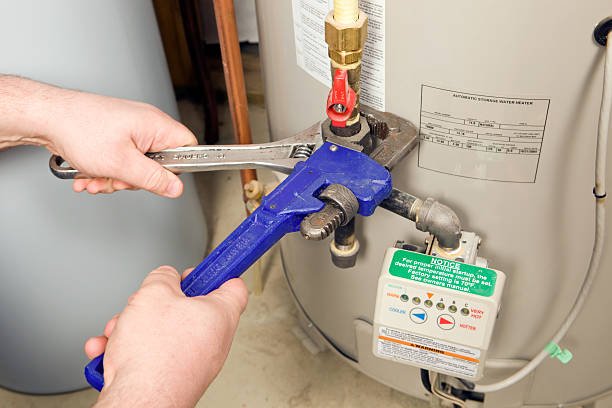
A faulty boiler pump can leave radiators cold, make the heating system noisy or stop hot water circulating properly around your home. If the pump itself has failed, replacement is usually much cheaper than replacing the entire boiler.
In the UK in 2026, a boiler pump replacement typically costs around £250–£500, including the new pump and labour. Straightforward jobs using a common replacement pump may come in towards the lower end, while awkward access, premium components or additional system problems can push the total higher.
The pump itself may cost roughly £100–£250, with labour often adding around £120–£250 depending on the engineer, location and complexity of the job.
This guide explains how much it costs to replace a boiler pump in 2026, what affects the price, the symptoms of a failing pump and when replacement is worthwhile compared with broader boiler repair or replacement.
If you are dealing with several boiler problems at once, our 2026 boiler repair cost guide can help you compare pump replacement with other common repairs.
Average boiler pump replacement cost in the UK
For budgeting, these are useful 2026 figures:
| Boiler pump job | Typical cost |
|---|---|
| Straightforward pump replacement | £250–£350 |
| Typical boiler pump replacement | £250–£500 |
| Premium or difficult pump replacement | £400–£600+ |
| Replacement pump only | £100–£250 |
| Labour only | £120–£250 |
| Emergency/out-of-hours replacement | £350–£650+ |
These are ballpark figures rather than fixed quotations.
The actual cost depends on:
- boiler make and model;
- type of pump;
- accessibility;
- whether the system needs draining;
- whether other faults are present;
- labour rates in your area;
- whether the work is urgent.
What does the boiler pump actually do?
The pump is responsible for moving heated water around the central-heating system.
When the boiler heats water, the pump circulates it through:
- radiators;
- pipework;
- heating circuits.
Without effective circulation, the boiler may generate heat but struggle to move it where it is needed.
This can result in:
- cold radiators;
- uneven heating;
- boiler shutdowns;
- strange noises;
- poor hot-water performance in some systems.
The exact setup depends on the type of boiler and heating system.
What are the signs of a failing boiler pump?
A failing pump can produce several symptoms.
Common signs include:
- radiators not heating properly;
- some radiators staying cold;
- boiler making humming or grinding noises;
- pump becoming unusually hot;
- heating cutting out;
- reduced circulation;
- repeated boiler error codes;
- boiler running but heat not reaching radiators;
- unusual vibration.
However, these symptoms do not automatically prove that the pump is faulty.
Similar problems can also be caused by:
- sludge;
- airlocks;
- blocked pipework;
- faulty valves;
- electrical issues;
- boiler control faults.
Diagnosis matters before replacement.
If you are noticing several warning signs beyond circulation problems, our guide to 12 signs your boiler is failing can help you understand the bigger picture.
How much does a replacement boiler pump cost?
The pump itself commonly costs around:
£100–£250
for many domestic systems.
Premium, manufacturer-specific or specialist components can cost more.
The final part price depends on:
- brand;
- size;
- specification;
- boiler compatibility;
- efficiency;
- whether it is an integrated boiler component or external circulation pump.
Do not buy a pump based only on appearance or pipe size.
The replacement needs to be suitable for the boiler and heating system.
How much does labour cost to replace a boiler pump?
Labour typically adds around:
£120–£250
for a straightforward job.
The engineer may need to:
- isolate power;
- isolate or drain the heating system;
- access the pump;
- remove the faulty component;
- install the replacement;
- reconnect wiring;
- refill the system if necessary;
- bleed air;
- test circulation;
- check for leaks.
If the pump is difficult to access inside the boiler or pipework is corroded, the job can take longer.
How long does it take to replace a boiler pump?
A straightforward replacement can often take around:
1.5–3 hours
More complicated jobs can take longer.
The timescale depends on:
- pump location;
- boiler design;
- access;
- whether the system needs draining;
- pipe condition;
- additional faults.
An external circulation pump on accessible pipework may be easier to replace than an integrated internal pump inside a compact boiler casing.
Is the pump inside the boiler or outside it?
It depends on the heating system.
Modern combi and system boilers commonly have circulation pumps integrated inside the boiler casing.
Older or more complex heating systems may use an external pump elsewhere in the system.
This matters because:
External pump replacement
can sometimes be relatively straightforward.
Internal boiler pump replacement
may involve more dismantling and boiler-specific knowledge.
Can a plumber replace a boiler pump?
For general heating-system pumps, an experienced heating engineer may be suitable.
If the pump is inside a gas boiler and the work involves opening the appliance casing, use an appropriately Gas Safe registered engineer for the relevant work.
The safest approach is to describe the boiler make and model when requesting the job.
That helps ensure the professional is equipped to work on that appliance.
Is a boiler pump the same as a central-heating pump?
Often, yes in everyday conversation.
The terms:
- boiler pump;
- heating pump;
- circulation pump;
- central-heating pump
are commonly used to describe the pump circulating water around the heating circuit.
But system layouts vary.
Some homes may have multiple pumps or separate circuits, so diagnosis should identify exactly which pump is faulty.
Why does a boiler pump fail?
Boiler pumps can fail for several reasons.
Age and wear
Like any moving mechanical component, bearings and internal parts can wear over time.
Sludge and debris
Magnetite sludge can restrict movement and place strain on the pump.
Seizure after inactivity
A pump that has not run for a long period can sometimes seize.
Electrical fault
The pump motor or electrical supply may fail.
Air in the system
Airlocks can affect circulation and create noise.
Running against restricted flow
Blocked or closed valves can put additional strain on the pump.
A new pump will not solve the problem permanently if an underlying system issue caused the original failure.
Could sludge cause a boiler pump to fail?
Yes.
Sludge and contamination can restrict circulation and increase the strain placed on system components.
If the heating water is heavily contaminated, simply replacing the pump without addressing the sludge may lead to recurring problems.
Signs of sludge include:
- radiators cold at the bottom;
- dirty water when bleeding;
- slow heating;
- boiler noise;
- repeated circulation problems.
A heating engineer may recommend system cleaning if contamination is severe.
Should the system be flushed when replacing a pump?
Not automatically.
If the heating system is clean and the pump has simply failed mechanically, a full power flush may be unnecessary.
But if there is visible sludge or poor circulation throughout the system, the engineer may recommend:
- chemical cleaning;
- power flushing;
- magnetic filtration;
- inhibitor treatment.
The correct approach depends on system condition.
Can a boiler pump be repaired instead of replaced?
Sometimes minor issues can be resolved without replacing the pump.
For example, the engineer may find:
- trapped air;
- loose electrical connection;
- seized rotor;
- valve issue.
But if the pump motor, bearings or internal components have failed, replacement is often more practical.
The labour involved in dismantling and repairing a domestic pump can make replacement better value.
How much does an emergency boiler pump replacement cost?
If the pump fails outside normal working hours, the total can rise to:
£350–£650+
depending on the engineer and component availability.
Emergency costs can include:
- out-of-hours call-out;
- higher labour rate;
- urgent part sourcing.
If the home still has safe hot water or alternative heating and the repair can wait until normal hours, booking a standard appointment may save money.
Is £300 a reasonable price to replace a boiler pump?
Yes.
For a straightforward job, £300 sits comfortably within a realistic 2026 range.
For example:
Pump: £140
Labour: £160
Total: £300
That would be plausible for an accessible, common pump replacement.
Whether it represents good value depends on:
- part quality;
- labour included;
- system testing;
- VAT where applicable.
Is £500 too much for boiler pump replacement?
Not necessarily.
£500 can be reasonable if:
- the pump is expensive;
- access is difficult;
- the boiler requires significant dismantling;
- pipework needs repair;
- the engineer is in a higher-cost area;
- the work is urgent.
However, if the quote reaches £500–£600 on an older boiler, it becomes more important to consider the condition of the appliance as a whole.
Should I repair or replace an old boiler with a faulty pump?
This depends on the age and overall condition of the boiler.
Pump replacement often makes sense when:
- the boiler is relatively modern;
- it has been reliable;
- the pump is the only major fault;
- parts are readily available.
Replacement of the whole boiler deserves more consideration when:
- the boiler is old;
- breakdowns are frequent;
- other major components are failing;
- parts are becoming difficult to source;
- repair costs are accumulating.
Our guide to whether you should repair or replace your boiler goes into this decision in more detail.
Example: repair vs replace
Imagine your boiler is seven years old and otherwise reliable.
A pump replacement costs:
£350
That is usually far easier to justify than spending several thousand pounds on a new boiler.
Now imagine your boiler is 17 years old and has already had:
£300 repair last year
£250 repair six months ago
£500 pump quote today
You are now looking at £1,050 in recent repairs.
That does not automatically mean replacement is the right decision, but it changes the economics.
How much does boiler replacement cost compared with a pump?
A pump replacement is much cheaper than a full boiler replacement.
A typical pump job may cost:
£250–£500
while a full replacement can cost several thousand pounds depending on:
- boiler type;
- installation complexity;
- controls;
- system changes.
That means replacing a pump usually makes financial sense if the rest of the boiler remains in good condition.
Can a faulty pump damage the boiler?
Potentially.
Poor circulation can contribute to overheating or boiler shutdowns.
The boiler may detect inadequate flow and display an error code or stop operating.
Running the system repeatedly while circulation is poor is not a good long-term strategy.
If the boiler is making unusual noises or frequently locking out, arrange diagnosis rather than repeatedly resetting it.
Why is my boiler pump noisy?
Common pump noises include:
Humming
Could indicate normal operation, electrical strain or restricted movement.
Grinding
May suggest bearing wear or internal mechanical problems.
Rattling
Could be caused by loose components or debris.
Gurgling
May indicate air in the heating system.
Noise does not automatically mean replacement is needed.
A heating engineer should identify the cause.
Why is the boiler pump hot?
A circulation pump will normally become warm during operation.
But if it is excessively hot, potential causes include:
- restricted flow;
- seized components;
- electrical fault;
- worn pump.
Do not rely on touch alone to diagnose a fault.
Why is the pump running but radiators are still cold?
If the pump appears to be operating but radiators remain cold, the issue could be elsewhere.
Possibilities include:
- airlocks;
- sludge;
- stuck valves;
- poor balancing;
- pump not generating enough flow;
- boiler control issue.
That is why replacing the pump without diagnosis can waste money.
Could the problem be the diverter valve instead?
On some boilers, yes.
A faulty diverter valve can cause symptoms such as:
- heating working but no hot water;
- hot water working but no heating;
- inconsistent temperature.
A pump problem is more closely associated with circulation.
However, boiler symptoms overlap, so diagnosis should be left to a competent engineer.
Could the problem be the PCB?
Yes, in some cases the pump may not run because it is not receiving the correct electrical signal.
If the pump tests fine but is not being activated properly, the fault could lie in the controls or printed circuit board.
PCB replacement can be significantly more expensive than a simple electrical repair.
Do boiler pumps have different speed settings?
Many pumps have adjustable or electronically controlled speed settings.
Modern high-efficiency pumps may automatically adjust output.
Incorrect settings can sometimes affect:
- circulation;
- noise;
- energy use.
Do not change pump settings randomly if you are unsure what they control.
The heating engineer can determine the correct configuration.
Are modern boiler pumps more efficient?
Modern circulation pumps are generally designed to use less electricity than older fixed-speed pumps.
Many use variable-speed or electronically controlled operation.
If replacing an older external pump, a modern high-efficiency model may reduce electrical consumption.
However, the main priority is compatibility with the heating system.
How long does a boiler pump last?
There is no guaranteed lifespan.
A circulation pump may last many years, but longevity depends on:
- usage;
- water quality;
- installation;
- sludge;
- system pressure;
- component quality.
A pump failing early may indicate another system problem.
If the same component repeatedly fails, ask the engineer to investigate why.
Should I replace the pump pre-emptively on an old boiler?
Usually not.
If the pump works correctly, there is generally no need to replace it simply because the boiler is old.
Preventive maintenance should focus more on:
- annual servicing;
- clean system water;
- correct inhibitor levels;
- filtration;
- dealing with faults early.
Replace components when condition and diagnosis justify it.
Can a pump replacement improve heating performance?
Yes, if the old pump was failing or producing inadequate circulation.
You may notice:
- radiators heating faster;
- more even temperatures;
- quieter operation;
- better circulation.
But a new pump cannot overcome severe sludge or blocked pipework.
If performance remains poor after replacement, further investigation may be needed.
What should a boiler pump replacement quote include?
Ask whether the price includes:
- new pump;
- labour;
- draining/refilling;
- new seals or fittings;
- testing;
- bleeding radiators;
- inhibitor if required;
- disposal of old pump;
- VAT where applicable.
Also ask:
Is this a fixed price or estimate?
and:
What happens if another fault is discovered?
Why can pump replacement quotes vary so much?
Two engineers may quote very different prices because they are using:
- different pump brands;
- manufacturer-original vs compatible parts;
- different labour rates;
- different warranty terms;
- different levels of diagnostic work.
Compare the scope, not just the number.
Original manufacturer pump vs compatible replacement
An original manufacturer component can cost more.
A compatible pump may be cheaper.
Neither is automatically better in every situation.
Ask:
- what part is being fitted;
- why it is suitable;
- what warranty applies.
For some boilers, using the correct manufacturer-specific assembly may be the only sensible option.
Can I replace a boiler pump myself?
This is not recommended for most homeowners.
Pump replacement can involve:
- draining a pressurised heating system;
- electrical connections;
- boiler disassembly;
- leak testing.
If the component is inside a gas boiler, use an appropriately Gas Safe registered engineer for the relevant work.
An incorrectly fitted pump can cause leaks, electrical faults or boiler problems.
Does boiler insurance cover pump replacement?
Possibly.
Some boiler-cover policies include circulation pumps.
Others may exclude:
- older boilers;
- pre-existing faults;
- sludge-related damage;
- certain parts;
- excess charges.
Check the actual policy wording before assuming the repair is covered.
Is boiler cover worth having for repairs like this?
It depends on the cost of the policy and how often you claim.
A £300–£500 pump replacement can make cover feel valuable if it is included.
But paying hundreds of pounds per year for cover without ever claiming may cost more than paying for occasional repairs directly.
Compare:
annual premium + excess + exclusions
against your expected repair and servicing costs.
How can I reduce boiler pump replacement costs?
Avoid emergency call-outs where safe
Book normal working hours if possible.
Provide the boiler make and model
The engineer may be able to arrive with the correct part.
Ask for a fixed quote
Especially once the fault has been diagnosed.
Maintain the heating system
Clean system water can reduce strain on pumps.
Address sludge problems
Do not repeatedly replace components without treating the underlying contamination.
Common boiler pump replacement mistakes
Replacing the pump without diagnosis
Cold radiators can have many causes.
Choosing the cheapest part
Compatibility matters.
Ignoring sludge
A new pump may struggle in a heavily contaminated system.
Repeatedly repairing an old failing boiler
Compare cumulative repair costs with replacement.
Trying to repair an internal boiler pump yourself
Boiler work requires appropriate competence.
Ignoring unusual noises
Early diagnosis can prevent further problems.
Frequently asked questions
How much does it cost to replace a boiler pump in the UK?
A typical 2026 replacement costs around £250–£500, including the new pump and labour.
How much does a new boiler pump cost?
The pump itself commonly costs around £100–£250, although manufacturer-specific or premium components can cost more.
How long does it take to replace a boiler pump?
A straightforward replacement can often take around 1.5–3 hours.
Is it worth replacing a boiler pump?
Usually, yes, if the boiler is otherwise in good condition. Pump replacement is much cheaper than replacing the whole boiler.
Can a faulty pump cause cold radiators?
Yes. Poor circulation can prevent hot water reaching radiators properly, although sludge, airlocks and valve issues can cause similar symptoms.
Can sludge damage a boiler pump?
Yes. Contaminated system water can restrict circulation and place additional strain on the pump.
Does a boiler pump replacement need a Gas Safe engineer?
If the pump is inside a gas boiler and the appliance casing needs opening, use an appropriately Gas Safe registered engineer.
Is £400 expensive for boiler pump replacement?
£400 sits within a realistic UK range, particularly where the pump itself is relatively expensive or the job is not completely straightforward.
Final thoughts: how much should you budget for a boiler pump replacement?
For most UK homes in 2026, £250–£500 is a sensible budget for replacing a boiler pump.
A simple job using a common pump may cost around:
£250–£350
while difficult access, premium components or emergency attendance can push the total towards:
£500–£600+
The important thing is to confirm that the pump is actually the problem.
If the boiler has several faults or is becoming unreliable generally, see our guide to signs your boiler may be failing.
For broader repair costs, use our 2026 boiler repair cost guide.
And if the repair quote is becoming difficult to justify on an ageing appliance, our guide to repairing versus replacing your boiler can help you compare the options.
When you need professional help, you can use The Right Guy to find local heating engineers, boiler specialists and relevant tradespeople.

Author: The Right Guy Team
UK service guides published by The Right Guy Ltd.