
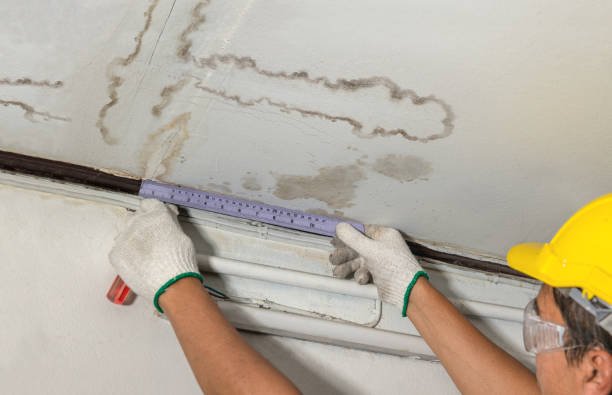
A cracked, stained or sagging ceiling can range from a relatively inexpensive cosmetic repair to a sign of a much bigger problem above it.
A small patch where plaster has come away might cost less than £200. A ceiling damaged by a substantial water leak may require a plumber, electrician, new plasterboard, plastering and decorating — pushing the final bill well beyond £1,000.
So, how much does ceiling repair cost in the UK in 2026?
Current UK pricing puts a small ceiling patch repair at around £150–£200, averaging approximately £175. Replacing an entire ceiling typically costs around £400–£1,000, while extensive water-damage repairs involving additional trades can reach approximately £1,400–£1,700.
As a practical 2026 starting point:
| Ceiling repair | Typical UK cost |
|---|---|
| Small patch repair | £150–£200 |
| Hairline crack repair | Around £150+ |
| Small ceiling skim | £200–£350 |
| Medium ceiling skim | £280–£440 |
| Large ceiling skim | £425–£725 |
| Replace small-room ceiling | £400–£600 |
| Replace large-room ceiling | £750–£1,000 |
| Typical complete ceiling replacement | Around £700 |
| Minor water-damage repair | £175–£400 |
| Moderate water/plaster damage | £400–£800 |
| Severe plasterboard water damage | £800–£1,400 |
| Extensive water-damage repair with electrician | £1,400–£1,700 |
The most important thing is to identify why the ceiling is damaged before repairing what you can see.
A crack caused by normal settlement is very different from a crack caused by structural movement. Likewise, painting over a brown water stain without repairing the leaking pipe or roof above it simply hides the problem temporarily.
How Much Does a Small Ceiling Repair Cost?
For a small damaged area, current Checkatrade figures put professional patching at approximately:
£150–£200
with an average of around:
£175.
This might cover something such as:
- a small hole;
- localised plaster damage;
- a minor crack;
- damage around a removed light fitting;
- a small section of damaged plasterboard.
A relatively small job can still have a minimum labour charge because the tradesperson needs to travel, protect the room, prepare materials and return if drying time requires more than one stage.
This is why repairing a 30cm patch does not necessarily cost one tenth of repairing a much larger section.
How Much Does It Cost to Repair a Crack in a Ceiling?
For an ordinary hairline crack caused by normal settlement or minor movement, expect the repair to sit towards the lower end of ceiling-repair pricing — around £150 for a professional visit and repair is a useful benchmark.
A straightforward repair may involve:
- opening the crack slightly;
- removing loose material;
- reinforcing it where necessary;
- filling;
- sanding;
- touching up the finish.
However, not every ceiling crack should simply be filled.
A crack deserves further investigation if it is:
- wide;
- growing;
- repeatedly returning;
- accompanied by movement;
- surrounded by sagging;
- appearing alongside significant wall cracks.
Checkatrade advises that wider structural cracks or cracks that continually reappear may require assessment before cosmetic repair.
The filling itself may be cheap.
Finding out why the ceiling keeps cracking is the more important part.
Are Hairline Ceiling Cracks Serious?
Often, no.
Small cracks can appear because of:
- drying plaster;
- normal settlement;
- minor seasonal movement;
- plasterboard joints.
But homeowners should avoid trying to diagnose potentially structural movement purely from the appearance of one photograph or crack.
If a crack has remained tiny and unchanged for years, it may simply be cosmetic.
If you can see significant movement or the ceiling is visibly sagging, treat that differently. Safety guidance recommends staying away from areas where a ceiling is sagging, loose or potentially at risk of falling rather than attempting a DIY repair.
How Much Does It Cost to Repair a Hole in a Ceiling?
For a small plaster or plasterboard hole, around £150–£200 is a useful professional starting point.
The cost depends on whether the tradesperson can simply patch the existing surface or needs to replace part of the plasterboard.
A small repair might involve:
- cutting the damaged area square;
- installing support behind the opening;
- fitting new plasterboard;
- taping the joints;
- filling or plastering;
- sanding;
- decorating.
Larger holes increase both material and finishing work.
One complication is matching the repaired area with the surrounding ceiling.
Even if the plaster repair itself is small, you may need to repaint the entire ceiling to prevent the repaired section showing as a noticeably different patch.
How Much Does It Cost to Repair a Water-Damaged Ceiling?
This is where ceiling repair costs can increase dramatically.
Current 2026 pricing gives roughly:
| Water damage severity | Typical repair cost |
|---|---|
| Minor cosmetic staining | £175–£400 |
| Moderate plaster damage | £400–£800 |
| Severe damage requiring plasterboard | £800–£1,400 |
| Full repair involving electrician | £1,400–£1,700 |
A complete water-damage ceiling repair involving electrical work, moving a light fitting and installing new plasterboard currently averages approximately £1,550.
That sounds expensive compared with a £175 patch because you are no longer paying for one trade or one repair.
You could potentially need:
leak repair → electrical inspection → damaged material removal → new plasterboard → plastering → drying → decorating.
Fix the Leak Before Repairing the Ceiling
This sounds obvious, but it is one of the most important rules in ceiling repair.
If the damage was caused by water, find and fix the source first.
Possible causes include:
- leaking bath;
- leaking shower;
- failed waste pipe;
- leaking radiator pipe;
- burst pipe;
- water tank;
- damaged roof;
- failed flashing;
- missing roof tile;
- overflowing plumbing.
There is little point spending £500 repairing a ceiling if the pipe above it is still dripping.
Current pricing puts repairing a leaking pipe within a ceiling at approximately £220–£440, although the actual price depends on access and the plumbing problem.
Once the leak has been repaired, the ceiling needs to dry sufficiently before the damaged finishes are reinstated.
What If Water Is Coming Through the Ceiling Right Now?
This is not the moment to worry about plastering prices.
If water is actively entering the room, deal with the immediate hazard first.
If safe to do so:
- identify and stop the water source;
- turn off the water at the stop tap where appropriate;
- keep people away from the damaged ceiling;
- move belongings away from the area;
- avoid electrical fittings affected by water.
If water is near sockets, switches, lights or other electrical equipment, electrical safety becomes particularly important. Local authority safety guidance recommends switching off electricity where appropriate when a leak is affecting electrical equipment and seeking help rather than treating the issue as purely cosmetic.
Do not stand underneath a heavily saturated or sagging ceiling to inspect it.
Why Do Water-Damaged Ceilings Sag?
Plasterboard is not designed to hold significant amounts of water.
When it becomes saturated, it can:
- soften;
- lose strength;
- bow;
- pull away from fixings;
- eventually collapse.
That is why a large sagging section is not the same as a brown stain on otherwise solid plaster.
A stain may only need drying, stain-blocking and decorating once the leak has been resolved.
A ceiling that has physically deformed may need sections replaced.
How Much Does It Cost to Replace a Ceiling?
If the damage is too extensive to patch, replacing the ceiling may be more economical.
Current Checkatrade 2026 pricing puts complete ceiling replacement at approximately:
£400–£1,000
with around:
£700 average.
For a small box room:
£400–£600
with approximately £500 average.
For a large room:
£750–£1,000
with approximately £875 average.
The price depends on what “replacement” actually involves.
For example:
Option A
Remove damaged plasterboard → fit new plasterboard → skim.
Option B
Leave the existing ceiling → overboard → skim.
Option C
Remove old lath-and-plaster ceiling → dispose of debris → install plasterboard → skim.
These are substantially different jobs.
Repair or Replace: Which Is Cheaper?
Suppose a ceiling has one small damaged section.
Patch repair:
around £175
Complete replacement:
around £700
Clearly, patching wins.
But now imagine half the ceiling is:
- sagging;
- cracked;
- water damaged;
- poorly attached.
Paying £500 for multiple repairs on a failing ceiling may make less sense than spending £700–£1,000 replacing it properly.
The cheapest repair today is not necessarily the cheapest solution over the next five years.
Ask the tradesperson:
“Is the rest of the ceiling sound enough to justify repairing this section?”
That question can be more useful than simply asking for the cheapest option.
How Much Does It Cost to Plaster a Ceiling?
If the ceiling itself is structurally sound but the surface is cracked, uneven or tired, it may only need skimming.
Current June 2026 prices are:
| Ceiling size | Skimming cost |
|---|---|
| Small – around 9m² | £200–£350 |
| Medium – around 15m² | £280–£440 |
| Large – around 25m² | £425–£725 |
A medium 15m² ceiling therefore costs approximately £360 on average to skim.
This can be considerably cheaper than replacing the ceiling.
However, plastering should not be used to disguise underlying failure.
If you also have damaged walls, our guide to how much it costs to plaster a room explains the difference between skimming, plaster repairs and more extensive replastering.
How Much Does Plasterboard Ceiling Replacement Cost?
If plasterboard has:
- become saturated;
- broken;
- sagged;
- pulled away from fixings;
sections may need replacing.
Current Checkatrade pricing puts plasterboarding and plastering a damaged ceiling at around £700–£1,000, depending on room size and existing condition.
That price is useful because it represents more than a cosmetic skim.
The tradesperson is effectively creating a new ceiling surface.
For a localised section, the price can be lower.
But large repairs eventually reach a point where replacing or overboarding the complete ceiling becomes more efficient than cutting in numerous patches.
What About Old Lath-and-Plaster Ceilings?
Many Victorian and Edwardian properties have traditional lath-and-plaster ceilings rather than modern plasterboard.
These require more careful assessment.
Traditional construction generally consists of narrow timber laths with plaster applied through and over them.
Over many decades, sections can lose their bond.
Warning signs include:
- significant sagging;
- loose areas;
- widespread cracking;
- movement;
- pieces falling away.
Checkatrade advises that lath-and-plaster ceilings generally require professional assessment, with full replacement potentially becoming more sensible where the existing ceiling is failing extensively.
A small stable section may be repairable.
A ceiling that is progressively detaching is a different matter.
How Much Does It Cost to Repair Ceiling Plaster?
For localised damage, around £150–£200 remains a useful benchmark.
However, plaster repair costs depend on how deep the damage extends.
You might have:
Surface damage
Small cracks or chipped plaster.
Local failure
A section of plaster has detached but the background remains sound.
Extensive failure
Large areas have blown, sagged or detached.
The deeper the repair goes, the more likely you are to move from filling into plasterboard replacement or complete replastering.
Our dedicated UK plaster repair cost guide covers cracks, blown plaster, holes and larger plaster repairs in more detail.
How Much Does It Cost to Repair a Ceiling After a Roof Leak?
The ceiling repair itself may still cost anywhere from approximately £175 for minor damage to £1,700 for extensive water damage.
But you also need to budget for the roof.
A roof leak could originate from:
- cracked tiles;
- missing tiles;
- damaged flashing;
- chimney details;
- roof valleys;
- damaged underlay;
- failing flat-roof covering.
Do not assume the brown patch directly identifies the point where the roof is leaking.
Water can travel along roof timbers and other surfaces before appearing inside.
If the ceiling staining becomes worse specifically after rain, the roof should be investigated before interior repairs begin.
And where you’re seeing several roof-related problems rather than one isolated leak, our guide to signs your roof may need replacing can help you distinguish between individual repairs and warning signs of wider deterioration.
Do You Need an Electrician After a Ceiling Leak?
Not every tiny water stain automatically requires an electrician.
But electrical involvement becomes important where water has reached or may have reached:
- ceiling lights;
- wiring;
- junctions;
- switches;
- other electrical equipment.
This is one reason extensive water-damage repair costs can reach £1,400–£1,700: the work may involve both electricians and plasterers.
Do not switch on a wet light fitting merely to “see if it still works”.
Water and electricity require more caution than the cosmetic ceiling damage itself.
What Does a Brown Ceiling Stain Mean?
Usually, it indicates that moisture has reached the ceiling at some point.
Potential sources include:
- roof leak;
- plumbing leak;
- bath or shower leak;
- condensation;
- historic water damage.
If the stain is completely dry and the source was repaired years ago, it may simply be residual discolouration.
If it is:
- growing;
- wet;
- soft;
- changing after rainfall;
- accompanied by peeling paint;
investigate the source.
Painting over it with ordinary emulsion may allow the stain to bleed through again even after the leak has been fixed.
Once everything is dry and repaired, an appropriate stain-blocking treatment may be required before decorating.
How Much Does It Cost to Repair a Kitchen Ceiling?
The room itself does not fundamentally determine the repair price.
A kitchen ceiling with one small crack might cost around:
£150–£200
to patch.
A kitchen ceiling badly damaged by an upstairs bathroom leak might cost:
£1,400–£1,700
for a more comprehensive repair involving several trades.
The same applies to bathrooms and bedrooms.
Price follows damage, not the room name.
How Much Does It Cost to Repair a Bathroom Ceiling?
Minor bathroom ceiling damage may cost around £150–£300, particularly where only a small plaster repair is required.
But first identify why the damage occurred.
Bathrooms naturally generate moisture, and problems can be caused by:
- inadequate ventilation;
- condensation;
- leaking shower;
- leaking bath;
- plumbing above;
- roof leak in upstairs bathrooms.
If paint is peeling repeatedly because of condensation, replastering the ceiling without improving ventilation may not solve the problem.
What Causes Ceiling Cracks?
Common causes include:
- normal building movement;
- plaster drying;
- failed plasterboard joints;
- vibration;
- age;
- poorly installed plaster;
- moisture;
- structural movement.
The pattern matters.
A tiny isolated crack is different from widespread cracking accompanied by other changes in the building.
If a crack repeatedly returns after proper repair, investigate the underlying cause rather than paying to fill it every year.
What Causes a Ceiling to Sag?
Possible causes include:
- water saturation;
- plasterboard fixing failure;
- failing old plaster;
- structural movement;
- excessive loading above;
- age-related deterioration.
A sagging ceiling deserves more attention than a hairline crack.
If a section looks as though it could fall, keep people away from the area and arrange professional assessment. Safety guidance specifically treats sagging or loose ceilings as a potential falling-material hazard.
Do not poke it with a broom from underneath to see how secure it is.
Can Artex Ceilings Be Repaired?
Potentially.
But older textured coatings can contain asbestos.
If you have an older textured ceiling and a repair will involve:
- drilling;
- sanding;
- scraping;
- cutting;
- removal;
its composition should be considered before disturbing it.
Sometimes the most practical solution is to overboard the existing ceiling rather than attempt extensive removal.
The correct approach depends on the coating, ceiling condition and any asbestos assessment.
Does Ceiling Repair Include Painting?
Not always.
A plasterer may quote only for:
repair + plastering
leaving the ceiling ready for decorating once dry.
Another quote may include:
repair + plastering + painting.
This can create a misleading price comparison.
Suppose:
Quote A: £250
Patch and plaster only.
Quote B: £400
Patch, plaster, stain block and repaint the complete ceiling.
Quote A appears £150 cheaper, but it is not the same finished job.
Always establish whether decorating is included.
Why Might the Whole Ceiling Need Painting After a Small Repair?
Because matching existing ceiling paint perfectly can be difficult.
Paint changes over time due to:
- sunlight;
- age;
- dirt;
- previous touch-ups.
Even using the original paint colour may leave a visible patch.
A tradesperson may therefore recommend repainting the complete ceiling after the repair.
That increases the total cost but produces a more consistent finish.
What Factors Affect Ceiling Repair Prices?
Size of the damaged area
A 20cm crack is cheaper than replacing half a ceiling.
Cause of the damage
Cosmetic cracking is much cheaper than water damage involving plumbing and electrics.
Ceiling construction
Modern plasterboard is usually easier to work with than some traditional ceiling systems.
Access
High ceilings and stairwells can require additional access equipment.
Condition of surrounding material
A small hole surrounded by solid plaster is straightforward.
A small hole surrounded by failing plaster is not.
Electrical fittings
Damage around lights may require electrical involvement.
Decorating
Painting the complete ceiling increases the finished-project price.
Location
Labour rates differ around the UK, particularly between London, the South East and lower-cost regions.
Can You Repair a Ceiling Yourself?
Minor cosmetic repairs can be suitable DIY jobs if you are confident and there are no safety concerns.
Examples might include:
- very small stable hairline cracks;
- tiny screw holes;
- superficial filling.
Larger repairs are different.
Professional help is sensible where you have:
- sagging;
- water damage;
- recurring cracks;
- large holes;
- suspected structural movement;
- failing lath and plaster;
- possible asbestos;
- water near electrics.
Ceiling plastering is also physically difficult because you’re working overhead and imperfections can become very visible once the surface is painted.
Saving £150 on a patch is less attractive if the finished repair needs to be removed and done again.
Repairing a Ceiling Before Selling a House
Visible ceiling damage can make buyers nervous.
A brown stain can immediately raise questions about:
- roof leaks;
- plumbing;
- damp;
- structural problems.
Even if the original leak was repaired three years ago, an unexplained stain can still look active.
If you’re selling, it can therefore be worthwhile to:
- confirm the cause has been repaired;
- repair damaged plaster;
- treat staining correctly;
- repaint the ceiling;
- keep documentation for significant repair work.
The objective is not simply to hide defects.
It is to resolve them and make the finished condition clear.
Does Home Insurance Cover Ceiling Repairs?
It depends on why the ceiling was damaged and the wording of your policy.
Sudden insured events such as escape of water from a burst pipe may be covered under some buildings insurance policies.
Damage caused gradually by:
- poor maintenance;
- long-term leaks;
- wear and tear;
may not be.
Current MyBuilder guidance similarly notes that sudden events such as burst pipes are more likely to fall within buildings insurance cover than gradual deterioration.
Contact your insurer before carrying out substantial work if you think you may claim.
Take photographs of:
- the damaged ceiling;
- source of the leak;
- affected belongings;
- repair work.
Do not assume coverage without checking your own policy.
How Long Does Ceiling Repair Take?
A small patch can often be repaired within part of a day, although drying and decorating may require another visit.
A full replacement can take one or more days.
Water damage can take much longer because the sequence may be:
fix leak → dry structure → electrical work → remove damage → replace plasterboard → plaster → dry → decorate.
The actual trade work might only take several days, but the entire process can stretch much longer because wet materials need time to dry before they are enclosed or decorated.
Rushing the drying stage can create more problems later.
Questions to Ask Before Accepting a Ceiling Repair Quote
A good quote should make the scope clear.
Ask:
What caused the damage?
Does the source need repairing first?
Can the ceiling be patched or does it need replacing?
Is new plasterboard included?
Does the price include plastering?
Does it include painting?
Are materials included?
Will electrical work be needed?
Is waste removal included?
Is VAT included where applicable?
What happens if more damaged plaster is discovered after opening the ceiling?
This last question is particularly useful with water damage.
What looks like a 50cm patch from below can sometimes reveal a much larger damaged area once the ceiling is opened.
Frequently Asked Questions
How much does ceiling repair cost in the UK?
A small professional ceiling patch typically costs around £150–£200, averaging approximately £175. More substantial repairs can cost several hundred pounds, while extensive water-damage work can reach £1,400–£1,700.
How much does it cost to repair a ceiling crack?
A straightforward cosmetic crack repair generally sits towards the lower end of ceiling repair pricing, around £150+ for a professional visit. Larger or recurring cracks may require investigation first.
How much does it cost to repair a water-damaged ceiling?
Minor cosmetic damage may cost around £175–£400. Moderate damage can cost £400–£800, while a comprehensive repair involving plasterboard and electrical work can reach approximately £1,400–£1,700.
How much does a new ceiling cost?
Current 2026 pricing puts a complete ceiling replacement at approximately £400–£1,000, averaging around £700.
How much does it cost to skim a ceiling?
Approximately £200–£350 for a small ceiling, £280–£440 for a medium ceiling and £425–£725 for a large ceiling.
Should I repair or replace my ceiling?
Repair normally makes sense when damage is localised and the surrounding ceiling remains sound. Replacement becomes more attractive where damage is widespread, the ceiling is sagging or large sections have failed.
Is a cracked ceiling dangerous?
Many fine cracks are cosmetic. Wider, worsening or recurring cracks — particularly when combined with sagging or other structural changes — deserve professional assessment.
Is a sagging ceiling dangerous?
Potentially. A sagging ceiling can indicate failing material or water saturation. Keep people away from an area where material looks loose or at risk of falling and arrange an assessment.
Can I paint over a water stain?
Only after the cause of the moisture has been fixed and the ceiling has dried. The damaged area may also require repair and a suitable stain-blocking treatment before repainting.
Who repairs ceilings?
Depending on the problem, you may need a plasterer, dryliner, handyman, plumber, roofer, electrician or a combination of trades.
So, How Much Should You Budget for Ceiling Repair?
For ceiling repairs in the UK in 2026, a useful starting budget is:
Small patch or minor damage: £150–£200
Ceiling skimming: £200–£725
Complete ceiling replacement: £400–£1,000
Moderate water damage: £400–£800
Extensive water damage involving plasterboard/electrics: £1,400–£1,700
But the price of the visible ceiling repair is only half the story.
If the crack is caused by movement, investigate the movement.
If the stain is caused by plumbing, repair the plumbing.
If rain is entering through the roof, repair the roof.
And if the ceiling is sagging, find out why before paying someone to make the surface look smooth again.
That approach may initially cost more than filling and painting, but it prevents homeowners from repeatedly paying to repair the same symptom.
If you need professional help with a damaged ceiling, The Right Guy can help you discover local plasterers and other home-service professionals. When requesting quotes, send clear photographs and explain whether there has been a leak, whether the damage is changing and whether you want the price to include decorating as well as the physical repair.

Author: The Right Guy Team
UK service guides published by The Right Guy Ltd.