
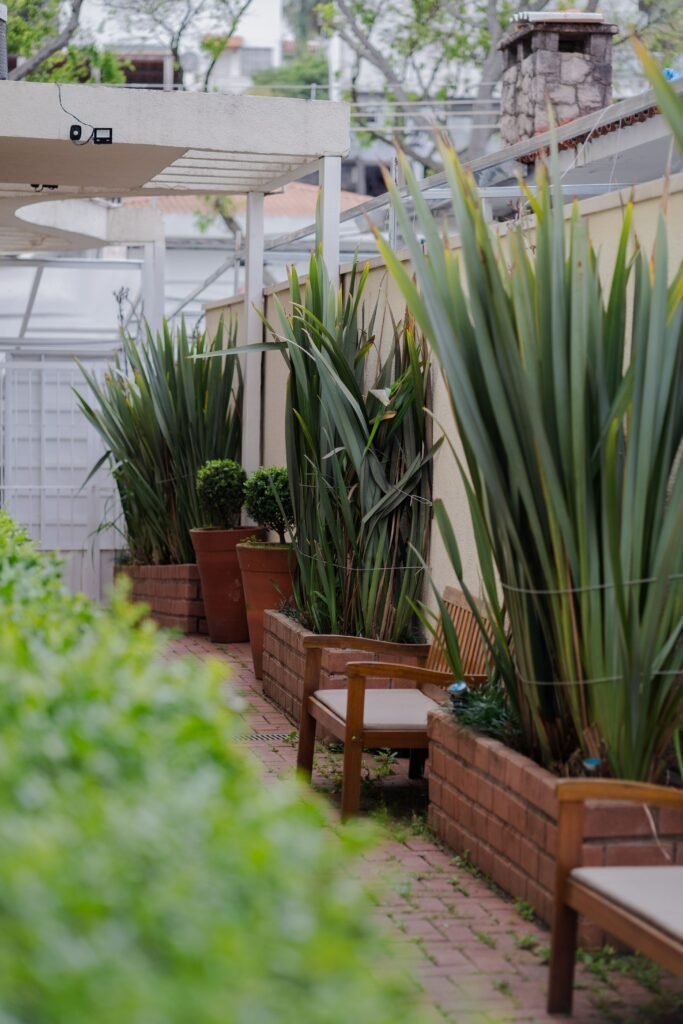
A beautiful garden doesn’t have to mean spending every weekend mowing, pruning, weeding and watering.
With the right layout, plants and materials, you can create an outdoor space that looks attractive throughout the year while requiring surprisingly little work.
Whether you have a small UK garden, a busy family home or simply want to spend more time enjoying your garden instead of maintaining it, these low-maintenance garden ideas can help.
1. Choose low-maintenance plants
The easiest place to start is with your planting.
Instead of filling borders with plants that require regular pruning, feeding and watering, choose hardy varieties that can largely look after themselves once established.
Good options for UK gardens include:
- Lavender
- Hebe
- Hardy geraniums
- Sedum
- Ornamental grasses
- Rosemary
- Heuchera
- Ferns for shaded areas
Perennials are particularly useful because they return year after year, reducing the need to constantly replace seasonal plants.
2. Reduce the size of your lawn
Lawns can look simple, but they often create more work than homeowners realise.
During the growing season they may need regular mowing, edging, feeding, watering and weed control.
Instead of covering most of the garden with grass, consider reducing the lawn and introducing:
- Larger borders
- Gravel
- Paving
- Decking
- Raised beds
- Seating areas
You don’t necessarily need to remove the lawn completely. A smaller, well-defined lawn can provide greenery without dominating your maintenance schedule.
3. Use gravel for easy landscaping
Gravel is one of the simplest ways to transform areas that are difficult to maintain.
It works particularly well for paths, seating areas and spaces around established planting.
Using a suitable weed-control membrane underneath can also help reduce unwanted growth.
Gravel is available in numerous colours and sizes, so it doesn’t have to make a garden feel stark or unfinished.
4. Create raised garden beds
Raised beds give planting areas a clean structure while making them easier to manage.
Rather than maintaining large traditional borders, you can concentrate plants into defined sections of the garden.
They can be built using materials such as:
- Timber
- Brick
- Stone
- Composite boards
- Metal edging
Raised beds can also make gardening more comfortable because there is less bending involved.
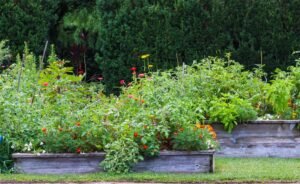
5. Plant densely to reduce weeds
Leaving large areas of bare soil gives weeds plenty of opportunity to grow.
Ground-cover plants and densely planted borders can gradually cover exposed soil, helping suppress weeds while making borders look fuller.
Mulching around plants can provide another layer of protection.
6. Add mulch to your borders
A layer of mulch is one of the simplest garden maintenance tricks.
Organic mulch such as bark or wood chips can help:
- Suppress weeds
- Retain moisture
- Protect the soil
- Give borders a tidier appearance
This can mean less watering and less time spent pulling weeds throughout spring and summer.
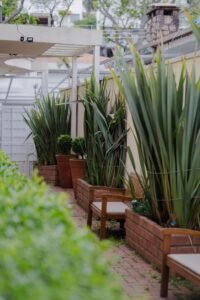
7. Use large pots instead of complicated borders
Container gardening gives you much more control over planting.
A few large pots can create greater visual impact than dozens of small containers while generally requiring less maintenance.
Try grouping three or four large containers containing hardy plants, ornamental grasses or evergreen shrubs.
Avoid filling the garden with tiny pots if reducing maintenance is your priority. Smaller containers can dry out quickly during warm weather.
8. Choose evergreen plants
One of the secrets to an attractive low-maintenance garden is creating structure that remains throughout winter.
Evergreen shrubs retain their foliage and can stop the garden looking completely bare once summer planting disappears.
Use them as permanent structural plants and add smaller flowering plants around them for seasonal colour.
9. Keep the garden design simple
Complicated gardens generally require complicated maintenance.
Instead of having numerous tiny borders, paths and planting areas, use larger defined zones.
For example, a garden could have:
patio → lawn → large planted border
rather than dozens of separate features competing for attention.
Simple doesn’t have to mean boring. Repeating the same plants and materials can actually make a garden look more intentional and professionally designed.
10. Install automatic watering
If watering takes up much of your gardening time, consider installing a simple irrigation or drip-watering system.
These systems can deliver water directly around plants and can be connected to timers.
They can be particularly useful for raised beds, containers and gardens with lots of planting.
11. Create a low-maintenance seating area
A permanent seating area gives the garden a purpose while reducing the amount of space requiring planting or lawn maintenance.
Popular options include:
- Paved patios
- Porcelain paving
- Gravel seating areas
- Composite decking
Add comfortable furniture, a few large planters and outdoor lighting and even a relatively simple garden can feel much more finished.
12. Use edging around lawns and borders
One small detail can make garden maintenance considerably easier: clear edging.
Brick, stone, steel or plastic edging creates a physical boundary between lawns, paths and planting areas.
That helps prevent grass spreading into borders and makes mowing around the garden much easier.
13. Avoid too many high-maintenance features
Before adding something to your garden, consider how much work it will create later.
Large ponds, complicated flower beds, numerous small pots and certain fast-growing plants can all require regular attention.
If your priority is low maintenance, fewer well-designed features will often work better.
14. Use vertical space in small gardens
Small gardens don’t necessarily need lots of planting beds.
Walls and fences can become part of the garden using:
- Trellis
- Climbers
- Wall-mounted planters
- Narrow vertical planting systems
This leaves more usable floor space while still introducing greenery.
15. Design the garden around how you actually use it
The best low-maintenance garden isn’t necessarily the garden with the fewest plants.
It’s the one designed around your lifestyle.
If you love entertaining, prioritise a good patio and straightforward planting around it.
If you have children, keep an open area for playing and concentrate planting around the boundaries.
If you enjoy plants but hate mowing, reduce the lawn and create larger planted beds instead.
A garden becomes much easier to maintain when every area has a clear purpose.
What is the easiest garden to maintain?
For many homeowners, the easiest garden will combine hard landscaping, evergreen planting, mulched borders and a relatively small lawn.
You don’t need to cover the entire garden in paving or artificial materials.
A good low-maintenance garden usually finds the balance between greenery and areas that require little regular attention.
How can I make my garden low maintenance on a budget?
You don’t need to redesign everything at once.
Start with the areas creating the most work.
Reduce oversized borders, mulch exposed soil, remove difficult plants and introduce inexpensive gravel or edging where appropriate.
You can then improve the garden gradually rather than paying for a complete transformation immediately.
Are low-maintenance gardens good for wildlife?
They certainly can be.
Low maintenance shouldn’t mean removing every natural feature.
Flowering perennials, shrubs, native plants and areas of dense planting can provide food and shelter for insects and other wildlife while requiring relatively little intervention once established.
The aim should be to create a garden that works harder for you, rather than simply removing everything that grows.
Find a trusted gardener or landscaper
Ready to turn your garden into an easier-to-manage outdoor space?
Use The Right Guy to compare trusted local gardeners and landscapers, read genuine customer reviews and request quotes from experienced professionals near you.
Own a gardening or landscaping business? Create your free business listing on The Right Guy and help more homeowners discover your services.

Author: manager
Company test