
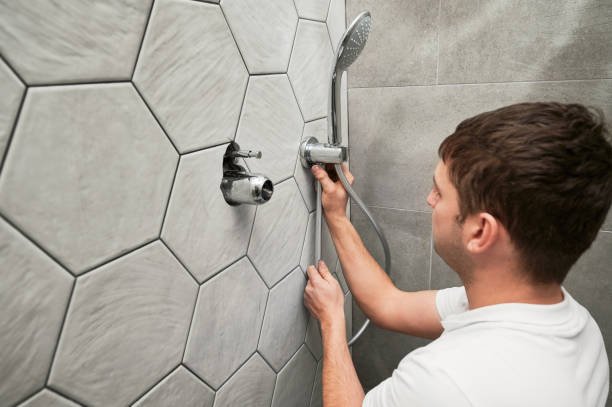
Installing a new shower can cost a few hundred pounds if you are replacing an existing unit in the same position — or several thousand pounds if you are creating a completely new walk-in shower, altering pipework and waterproofing the surrounding bathroom.
So, how much does it cost to install a shower in the UK?
For a standard shower installation, a realistic 2026 budget is usually around £300–£800, depending on the type of shower and how much plumbing or electrical work is required. A standard electric shower commonly costs around £400 supplied and installed, while a more substantial walk-in shower installation can cost roughly £2,100–£2,500.
The biggest difference is whether you are simply replacing an existing shower or creating a new shower area from scratch.
Here is what UK homeowners should expect to pay in 2026.
Shower installation costs in the UK at a glance
These figures are useful starting points for budgeting:
| Shower installation | Typical UK cost |
|---|---|
| Standard shower installation | Around £300–£800 |
| Electric shower supply and installation | Around £400 |
| Electric shower installation labour only | Around £250–£400 |
| Mixer shower installation | From around £200 labour |
| Power shower installation | Around £500 |
| Walk-in shower installation | Around £2,100–£2,500 |
| Shower tray replacement | From around £350 supply and labour |
| Plumber labour | Around £40–£60 per hour |
Current 2026 UK guides vary because the term “shower installation” can describe anything from swapping one electric shower for another to constructing a fully waterproofed walk-in enclosure.
That is why it is important to compare like with like when requesting quotes.
What affects the cost of installing a shower?
The shower itself is only part of the total.
The type of shower
Different shower systems require different plumbing and electrical arrangements.
Common options include:
- electric showers;
- mixer showers;
- thermostatic mixer showers;
- power showers;
- digital showers;
- walk-in showers;
- shower-over-bath installations.
A straightforward mixer shower using existing hot and cold supplies is very different from installing a high-powered electric shower that requires a suitable dedicated electrical circuit.
Whether it is a replacement or a brand-new installation
A like-for-like replacement is usually the cheapest scenario.
If the existing pipework, cable, isolation arrangements and shower position are all suitable, the installer may simply remove the old unit and fit the replacement.
Installing a shower where there was no shower before can require new pipework, drainage, electrical work, tiling and waterproofing.
That is when the project moves well beyond the cost of the shower unit itself.
Whether the shower is staying in the same position
Moving a shower can substantially increase the price.
The installer may have to relocate:
- hot and cold water supplies;
- waste pipework;
- electrical cables;
- shower valves;
- drainage;
- the shower tray.
Walls and floors may need opening and then making good afterwards.
Keeping the new shower in the same position is one of the simplest ways to keep costs under control.
How much does an electric shower cost to install?
Electric showers are common in UK homes because they heat cold water internally rather than relying on stored hot water.
Current 2026 pricing puts a standard electric shower supply-and-installation at around £400.
If you already have a suitable electric shower installation and are replacing it like for like, the job can be relatively straightforward.
A brand-new installation can cost more because electrical work may be required.
Current electrician pricing puts electric shower installation labour at around £250–£400 excluding the shower unit, with supplied installations often rising closer to £800 depending on the unit and electrical work required.
Important cost factors include:
- shower power rating;
- cable size;
- consumer unit capacity;
- existing wiring;
- plumbing requirements;
- access;
- whether a new circuit is needed.
Do not assume that because an old electric shower exists, any new model can simply be connected to the same wiring.
How much does a mixer shower cost to install?
Mixer showers combine hot and cold water before delivering it through the shower head.
They are often relatively straightforward where suitable water supplies already exist.
Current UK guidance puts mixer-shower installation labour at around £200, before the cost of the shower itself.
The total depends on the actual shower unit and whether the installer can use the existing pipework.
Changing from one mixer shower to another in the same position is usually much cheaper than creating a new concealed valve installation inside a tiled wall.
Water pressure matters too.
Some mixer showers are designed for particular pressure ranges, so check suitability before purchasing.
How much does a power shower cost to install?
Power showers use a pump to increase water flow and are more complicated than a basic mixer.
A current 2026 UK guide puts the average power-shower installation at around £500.
A replacement can be cheaper where the existing plumbing and electrical arrangements can be reused.
According to the same guide, replacing an existing power shower can cost around £325, with many replacements taking roughly two to three hours.
A brand-new installation can take longer where additional pipework is required.
Before buying one, make sure a power shower is appropriate for your hot-water system. Not every type of shower suits every boiler or cylinder arrangement.
How much does a walk-in shower cost?
A walk-in shower is a substantially larger project than changing the shower fitting on a wall.
Current 2026 estimates put a typical walk-in shower installation at around £2,100–£2,500.
The cost can include:
- shower tray or former;
- screen;
- shower valve and head;
- waterproofing;
- tiling;
- plumbing;
- waste connection;
- labour;
- making good.
Changing from a conventional bath to a walk-in shower can cost more because removal and alteration work are involved.
This type of installation is better treated as a small bathroom renovation rather than a simple plumbing job.
If you are changing several fixtures at once, compare the numbers with our full guide to how much a bathroom renovation costs in 2026. Completing the work as one coordinated project can make more sense than repeatedly disturbing the same bathroom.
How much does it cost to replace a shower tray?
Sometimes the shower itself is perfectly functional and the problem is the tray underneath it.
Current 2026 estimates put the average shower-tray supply cost at around £150, with removal and installation of a new tray in the same position starting at around £200.
That gives an indicative starting total of approximately £350, although the final price can be considerably higher where tiles, screens or flooring need removing.
A leaking shower tray also needs proper diagnosis.
Water appearing underneath the shower does not automatically mean the tray itself has failed. The leak may come from seals, waste fittings, pipework or the enclosure.
How much does plumber labour cost for shower installation?
Current UK plumber rates are generally around £40–£60 per hour.
A simple shower replacement may take only a few hours.
A more involved installation can take most of a day or longer.
For example, replacing an existing shower can sometimes take around two hours, whereas a completely new installation may take up to a working day depending on the work involved.
For a broader breakdown of labour rates, call-outs and other common plumbing jobs, see our 2026 guide to plumber costs in the UK.
How much does the shower itself cost?
The installation quote and shower price are not always the same thing.
A basic shower unit might cost a relatively modest amount, while premium digital or designer showers can cost several hundred pounds before labour begins.
Current UK guidance gives indicative shower unit prices starting around:
Electric shower: from approximately £200
Mixer shower: from approximately £200
Power shower: from approximately £350
Thermostatic shower: from approximately £200
Digital shower: from approximately £400.
Premium brands and more elaborate systems can exceed those figures significantly.
When comparing quotes, check whether the contractor is supplying the shower or whether you are expected to buy it yourself.
Is it cheaper to supply your own shower?
Potentially.
Buying your own shower gives you more control over style and price.
However, compatibility is important.
Before ordering, check:
- your water system;
- available water pressure;
- existing pipe positions;
- electrical requirements;
- shower power rating;
- wall construction;
- available installation space.
Buying the wrong shower can wipe out any saving if the installer arrives and discovers it cannot be fitted without major additional work.
For an electric shower in particular, ask an electrician or competent installer whether the existing circuit is suitable before purchasing a more powerful model.
How much does it cost to convert a bath into a shower?
This is more expensive than simply adding a shower above an existing bath.
A proper bath-to-shower conversion may involve:
- removing the bath;
- altering plumbing;
- installing a new shower tray;
- adding a screen or enclosure;
- waterproofing;
- tiling;
- flooring repairs;
- decorating.
A walk-in installation alone currently averages around £2,100–£2,500, so a complete bath-to-walk-in-shower conversion can easily move into the low thousands once removal and finishing work are included.
For larger renovations, obtain a complete bathroom quote rather than separate prices for every individual fitting.
What does it cost to add a shower to an ensuite?
If the ensuite already contains plumbing and drainage, adding or replacing a shower may be relatively straightforward.
Creating a completely new ensuite is another matter.
The cost then includes not only the shower but potentially walls, drainage, water supplies, ventilation, electrics, sanitaryware and decoration.
Layout is extremely important in a small space.
If you are trying to fit a shower into a compact room, our ensuite bathroom ideas for small modern spaces can help you decide whether a corner enclosure, walk-in screen or another layout makes the best use of the available floor area.
Do you need an electrician to install an electric shower?
Electrical showers combine water with a high-powered electrical appliance, so electrical safety is a major part of the installation.
In England, electrical installation work in homes is covered by Part P of the Building Regulations, which sets requirements for electrical safety. The government’s current Approved Document P explains when work must be notified and the standards for design, installation, inspection and testing.
Some electrical work in bathrooms and shower rooms can be notifiable depending on what is being installed or altered.
Using a suitably competent electrician is therefore particularly important when a new circuit, upgraded wiring or other significant electrical alterations are required.
A basic like-for-like replacement may involve different requirements from a completely new installation, so do not assume the rules are identical for every job.
Does a new shower need planning permission?
Usually, simply replacing or installing a shower inside an existing bathroom does not require planning permission.
However, the wider project might.
For example, planning considerations can become relevant if installing the shower forms part of:
- a new extension;
- a loft conversion;
- major changes to a listed building;
- substantial external alterations;
- creating a bathroom in a new structure.
Building Regulations and planning permission are also different systems. A project can require Building Regulations compliance even where planning permission is unnecessary.
If your shower is part of a larger home alteration, use our UK homeowner’s guide to planning permission to understand the distinction before beginning work.
Can you install a shower yourself?
Some shower-related jobs are more DIY-friendly than others.
Replacing a shower head or hose is obviously very different from installing a concealed mixer valve or new electric shower.
A competent DIYer may be able to handle certain simple plumbing jobs, but waterproofing failures can cause serious hidden damage behind tiles and flooring.
Electric showers add another level of risk because electrical installation requirements apply.
If the project involves a new electrical circuit, significant plumbing changes or waterproofing a new shower area, professional installation is generally the more sensible option.
What is the cheapest type of shower to install?
Where the correct plumbing and wiring are already present, replacing an electric shower like for like can be one of the quickest and most economical options.
Checkatrade currently estimates a standard electric shower at around £400 supplied and installed.
A straightforward mixer shower can also be inexpensive where existing hot and cold supplies are correctly positioned.
The cheapest option therefore depends on what is already installed.
Changing systems purely because another shower unit has a lower retail price can actually increase the total cost once alterations are included.
Why is my shower installation quote so high?
A quote of £1,000 or more can seem excessive if you expected a £300 job.
But ask what the contractor is actually doing.
A higher price might include:
- new water supplies;
- electrical work;
- upgraded cable;
- consumer-unit alterations;
- new drainage;
- wall repairs;
- waterproofing;
- tiling;
- shower screen;
- tray;
- waste;
- removal of the old shower;
- disposal;
- decorating.
The shower unit itself may represent only a fraction of the work.
Ask for the quote to be broken down so you can distinguish necessary installation work from optional upgrades.
What hidden costs should you budget for?
Bathrooms are particularly good at hiding problems until old fittings are removed.
Potential additional costs include damaged plasterboard, rotten timber, leaking pipework, inadequate waterproofing or old fittings that cannot be reused.
Tiling is another major variable.
Replacing one exposed shower may require very little making good. Removing a concealed valve from behind tiles can mean repairing a significant section of the wall.
Flooring can also be affected when shower trays are changed.
Keep a contingency in the budget if you are working on an older bathroom, particularly where there have already been signs of leaks or damp.
How can you keep shower installation costs down?
The easiest way is to keep the new installation compatible with what you already have.
A like-for-like replacement in the same position usually requires less labour than changing the shower type and relocating pipework.
Before buying anything, get the existing setup checked.
You can also save money by choosing a sensible mid-range shower rather than paying for features you are unlikely to use.
For non-urgent jobs, compare several quotes and make sure each covers the same work.
Ask whether the quote includes:
- shower unit;
- labour;
- plumbing materials;
- electrical work;
- VAT where applicable;
- removal of the old unit;
- disposal;
- making good;
- testing and certification where relevant.
Is it worth installing a more expensive shower?
Sometimes.
A higher-quality shower may offer better controls, thermostatic regulation, improved finishes or a better warranty.
But spending more on the shower unit does not fix unsuitable plumbing or poor water pressure.
Choose a shower compatible with your property first.
For example, an expensive mixer shower cannot create excellent performance if the available water pressure is fundamentally unsuitable for the model.
Installation quality is equally important.
A mid-range shower fitted properly can be a better investment than a premium shower installed badly.
Frequently asked questions about shower installation costs
How much does it cost to install a shower in the UK?
A standard shower installation typically costs around £300–£800, depending on the shower type and complexity of the installation.
How much does an electric shower cost to install?
A standard electric shower currently costs around £400 for supply and installation on average.
How much does a plumber charge to install a shower?
Plumbers typically charge around £40–£60 per hour, with the total depending on how long the work takes and whether additional pipework is required.
How much does a mixer shower cost to install?
Installation labour for a mixer shower is typically around £200, plus the cost of the shower itself and any additional plumbing work.
How much does a walk-in shower cost?
Current 2026 estimates put a typical full walk-in shower installation at approximately £2,100–£2,500.
How long does shower installation take?
A straightforward replacement can sometimes be completed within a few hours. A new installation requiring plumbing or electrical work can take most of a day or longer, while walk-in shower construction can take several days.
Does a shower installer remove the old shower?
Often, but do not assume removal and disposal are included. Ask for this to be stated clearly in the quote.
Can a plumber install an electric shower?
Plumbing and electrical work are separate considerations. An electric shower may require electrical work that should be carried out and certified by someone competent to undertake the relevant installation.
How much should you budget to install a shower in 2026?
For a straightforward standard shower, £300–£800 is a realistic overall starting range in 2026.
A normal electric shower commonly costs around £400 supplied and installed, while mixer and power showers vary according to the unit and existing plumbing.
If you are creating a full walk-in shower, expect a completely different budget. Current estimates of around £2,100–£2,500 are more representative once the tray, screen, plumbing, waterproofing and finishing work are considered.
The cheapest installation is normally the one that makes good use of what your bathroom already has.
Keeping the shower in the same position, choosing a compatible system and avoiding unnecessary pipework alterations can save hundreds of pounds.
If you need a new shower installed, you can find local plumbers, bathroom fitters and other tradespeople through The Right Guy. Compare what each quote includes, check whether electrical and finishing work are covered, and make sure you understand the full installed cost rather than comparing the price of the shower unit alone.

Author: The Right Guy Team
UK service guides published by The Right Guy Ltd.