
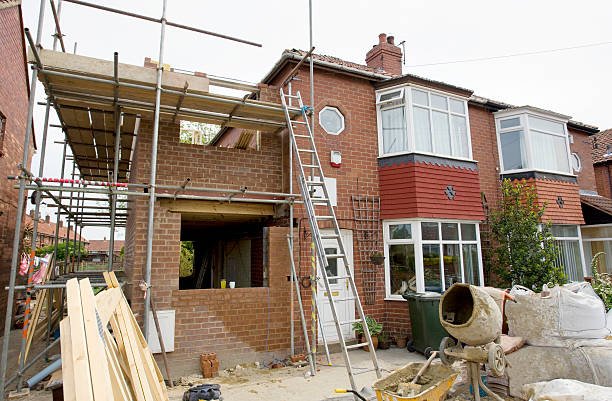
Need more space but don’t want to move?
A house extension is one of the most popular ways to increase your living space and potentially add value to your home. Whether you’re dreaming of a larger kitchen, an extra bedroom or a spacious open-plan living area, it’s important to understand the costs before you begin.
So, how much does a house extension cost in 2026?
Across the UK, most house extensions cost between £30,000 and £100,000, although large or high-specification projects can exceed £150,000.
Here’s everything you need to know before requesting quotes.
House extension costs at a glance
| Extension type | Estimated 2026 cost |
|---|---|
| Small single-storey extension | £30,000–£50,000 |
| Large single-storey extension | £50,000–£80,000 |
| Double-storey extension | £60,000–£120,000 |
| Rear extension | £35,000–£75,000 |
| Side return extension | £40,000–£80,000 |
| Wrap-around extension | £70,000–£150,000+ |
These are average UK prices and include labour and materials but exclude luxury finishes.
What affects the cost?
Size of the extension
The biggest factor is simply how much additional space you’re creating.
A modest kitchen extension will cost considerably less than a large two-storey family extension.
Single or double-storey?
Adding a second floor naturally increases the overall cost, but it can offer better value per square metre because the foundations and roof are shared across two levels.
If you need significantly more space, a double-storey extension is often more cost-effective than building two separate single-storey extensions in the future.
Specification
Your choice of finishes can dramatically affect the final price.
Examples include:
- Underfloor heating
- Bi-fold doors
- Roof lanterns
- Premium flooring
- Bespoke kitchens
- Smart home technology
Luxury finishes can add tens of thousands of pounds to a project.
Ground conditions
Some sites require additional work before construction can begin.
This may include:
- Ground investigations
- Deeper foundations
- Drainage alterations
- Tree root protection
- Levelling sloping ground
These costs aren’t always obvious until work starts.
Your location
Building costs vary across the UK.
Labour is generally more expensive in:
- London
- South East England
- Larger cities
Smaller towns are often more affordable.
What does the price usually include?
A typical builder’s quotation may include:
✔ Foundations
✔ Brickwork
✔ Roof construction
✔ Windows and doors
✔ Internal walls
✔ Plastering
✔ Basic electrics
✔ Basic plumbing
However, many quotes don’t include:
- Kitchen installation
- Decorating
- Flooring
- Landscaping
- Furniture
- Planning fees
- Structural engineer fees
Always ask for a full breakdown before accepting a quote.
Do you need planning permission?
Not always.
Many extensions fall under permitted development rights, meaning formal planning permission may not be required.
However, permission is often needed if:
- The extension exceeds size limits.
- Your home is listed.
- The property is in a conservation area.
- You significantly alter the front of the house.
Even where planning permission isn’t required, Building Regulations approval is usually necessary.
How long does a house extension take?
Most projects take:
| Extension | Approximate build time |
|---|---|
| Small extension | 8–12 weeks |
| Medium extension | 3–5 months |
| Large extension | 5–8 months |
This doesn’t include planning, design or obtaining approvals.
Will an extension add value?
In many cases, yes.
Extensions can make a property more attractive by adding:
- Extra bedrooms
- Larger kitchens
- Open-plan living areas
- Home offices
- Additional bathrooms
The value added depends on your property’s location, the quality of the work and whether the extension suits the local market.
Overbuilding for your area may limit your return on investment.
Hidden costs to watch for
Many homeowners budget for the build but forget about additional expenses.
These may include:
- Architect’s fees
- Structural engineer
- Planning application fees
- Building Control fees
- Party Wall surveyor
- Skip hire
- Temporary accommodation
- Decorating
- Flooring
- Landscaping
- VAT (where applicable)
Having a contingency fund of 10–15% is a sensible precaution for unexpected costs.
How to save money
Get several detailed quotes
Always compare at least three builders.
Don’t compare price alone—compare what’s included.
Keep the design simple
Rectangular extensions with straightforward roof designs are usually much cheaper than complex layouts with multiple angles.
Finalise the design early
Changing layouts once construction has started is one of the quickest ways to increase costs.
Choose an experienced builder
The cheapest quote isn’t always the best.
A reputable builder with strong reviews and clear communication can often save you money by avoiding costly mistakes.
Frequently Asked Questions
Is £50,000 enough for a house extension?
Yes.
In many parts of the UK, £50,000 is enough for a modest single-storey extension, although the size and specification will depend on your location.
Is a double-storey extension better value?
Often, yes.
Although the overall cost is higher, the cost per square metre is frequently lower than a single-storey extension.
How much value can an extension add?
There’s no guaranteed figure, but a well-designed extension can make your home more appealing and increase its market value, particularly if it adds practical living space.
Can I live in my house during the build?
Many homeowners do, especially during smaller projects.
However, larger extensions may cause significant disruption, particularly if the kitchen or main living areas are affected.
Final thoughts
A house extension is one of the biggest investments you can make in your property, but it can also transform how you live.
Whether you’re creating a larger kitchen, an extra bedroom or a dedicated home office, careful planning and choosing the right builder are key to staying on budget.
Before signing a contract, compare several detailed quotes, check previous work and make sure you understand exactly what’s included.
Find a trusted builder
Planning a house extension?
Use The Right Guy to compare trusted local builders, architects and extension specialists, read genuine customer reviews and request quotes from experienced professionals near you.
Own a building or construction business? Create your free business listing on The Right Guy and help more homeowners discover your services.

Author: The Right Guy Team
UK service guides published by The Right Guy Ltd.