
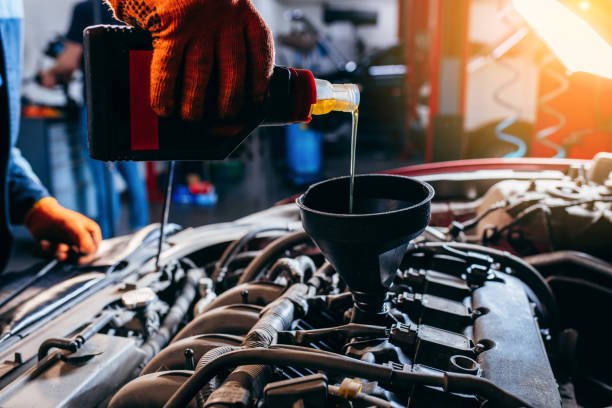
A full car service in the UK typically costs around £170–£300 for many small and medium-sized cars, while larger vehicles and more expensive makes can cost £400 or more. Current RAC guidance for 2026 puts small-car full services at roughly £170–£210, medium cars at £210–£300, and larger cars at £400+.
That does not mean every driver will pay within those exact ranges.
The final price depends on the make and model of the car, engine size, required oil specification, replacement filters, labour rates, where you live and whether the garage discovers additional maintenance or repairs during the service.
A £180 advertised service can therefore become more expensive if your vehicle needs brake pads, spark plugs, additional filters or another item that is not included in the standard service price.
This guide explains how much a full car service costs in the UK, what should normally be included, how it differs from an interim or major service and what to check before accepting a garage quote.
How much is a full car service in the UK in 2026?
As a useful starting point, current RAC 2026 pricing guidance gives the following ranges:
| Vehicle size | Typical full-service cost |
|---|---|
| Small car | £170–£210 |
| Medium car | £210–£300 |
| Large car | £400+ |
These should be treated as guideline prices rather than fixed national rates.
The RAC notes that make, model, age, vehicle size, garage location and even time of year can affect the final cost.
The difference between two garages is also not necessarily simply markup. They may use different specifications of oil and parts or include different checks and replacements within what they call a “full service”.
Before comparing prices, compare the service schedules themselves.
Average full-service cost by car manufacturer
The make of car can influence servicing costs because parts, oil quantities, specifications and servicing complexity differ.
RAC mobile-mechanic quote data collected between October and December 2025 produced the following average full-service prices for several popular manufacturers:
| Car make | RAC average full-service price |
| Ford | £277.32 |
| Vauxhall | £284.50 |
| Volkswagen | £280.33 |
| Nissan | £280.88 |
| Peugeot | £287.80 |
| Audi | £296.95 |
| MINI | £306.51 |
| BMW | £316.10 |
| Mercedes-Benz | £319.02 |
| Land Rover | £327.64 |
These numbers are useful for context, but they are not quotes for every model within each brand.
A small Ford hatchback and a large Ford SUV, for example, may have significantly different servicing requirements.
Your registration number or exact model, engine and age are much more useful when requesting a price.
What is included in a full car service?
A full service is much more comprehensive than simply changing the engine oil.
Exact service schedules differ between garages and manufacturers, but a typical full service may include an engine oil and oil-filter change, fluid checks, brake inspection, tyre checks, steering and suspension inspection, exhaust checks and checks of safety-related equipment. RAC’s current full-service schedule also includes items such as the battery and charging system and an air-filter replacement.
A typical service may therefore cover areas such as:
- engine oil and oil filter;
- air filter;
- coolant and other fluid levels;
- brakes;
- tyres and pressures;
- steering;
- suspension;
- battery and charging system;
- exhaust;
- lights;
- wipers and washers;
- seat belts and safety equipment;
- visible leaks and general vehicle condition.
The AA also stresses that the exact checks included can vary between garages and the type of service you purchase.
That is important.
There is no value in comparing a £180 “full service” with a £250 one unless you know whether they actually include the same work.
Does a full service include replacement parts?
Some parts are commonly included as standard.
For example, an engine-oil and filter change is normally fundamental to a full service, and some service schedules include an air-filter replacement.
Other parts may be additional.
Items such as spark plugs, fuel filters, brake pads, brake discs, certain fluids or manufacturer-specific scheduled replacements may not automatically be included in the advertised full-service price.
This is one of the most common reasons the final bill can exceed the price drivers initially see online.
Ask the garage:
What parts are included in the quoted price?
Which parts will only be replaced if needed?
Will you contact me before carrying out additional chargeable work?
A reputable garage should be able to explain the difference.
Why does a full car service cost more for some vehicles?
More expensive oil
Modern engines can require very specific grades and standards of engine oil.
Some engines also hold considerably more oil than others.
That means even the basic oil-change portion of a service can cost more on one car than another.
More expensive filters and parts
Replacement filters are not priced identically across every make and model.
Premium marques and less common vehicles may have more expensive parts.
Larger or more complex vehicles
Larger vehicles can require more fluids and may take longer to inspect or service.
Some components can also be more difficult to access.
Garage labour rates
A garage operating in an expensive part of the country may have higher labour costs than one in a lower-cost area.
Independent garages, dealer workshops and mobile mechanics can also operate with different pricing structures.
Manufacturer servicing requirements
A vehicle due for particular scheduled maintenance may require more than a generic service package.
Always check the manufacturer’s service schedule for your particular car.
What’s the difference between an interim and full service?
An interim service is a lighter maintenance check generally aimed at vehicles that need attention between full services.
It usually covers core areas such as engine oil and filter, brakes, tyres, fluid levels and basic safety checks.
A full service covers a broader range of components and inspections.
RAC guidance says an interim service will often cost roughly one-third to one-half of the price of a full service, although actual prices vary.
Drivers covering high mileage may sometimes benefit from an interim service between annual full services.
The AA notes that drivers covering around 2,000 miles or more each month may want to consider an interim service approximately every six months.
Follow your manufacturer’s recommended schedule rather than automatically booking the same package every six months.
What’s the difference between a full and major service?
Terminology varies between garages, which is why it is important to look at the checklist rather than only the package name.
A full service is a comprehensive annual-style service covering many of the car’s key systems.
A major service is generally more extensive and may include additional replacements that are not needed at every service interval.
RAC describes major servicing as a more extensive option for vehicles requiring a deeper level of maintenance.
Depending on the vehicle and service schedule, additional work could include items such as spark plugs or filters due at longer intervals.
A major service therefore normally costs more.
How often should you get a full car service?
Many manufacturers recommend servicing around once a year or approximately every 12,000 miles, although the correct interval depends on the vehicle.
RAC currently recommends a full service around every 12 months or 12,000 miles, whichever comes first, while stressing that manufacturer requirements vary.
Modern cars may also use variable or long-life servicing schedules.
Your handbook, service record or vehicle’s onboard maintenance system should tell you what applies.
Do not rely solely on the MOT date to decide when your car needs servicing.
Is an MOT the same as a car service?
No.
This is one of the most important distinctions for UK drivers.
An MOT is a statutory roadworthiness test for vehicles that require one. It checks whether the vehicle meets specific minimum legal standards at the time of testing.
A service is preventative maintenance.
The mechanic inspects and maintains components to help keep the vehicle operating properly.
A car can therefore:
pass an MOT but still need a service, or
be recently serviced and still fail an MOT.
They serve different purposes.
If both are due around the same time, some garages allow you to book them together. For current test pricing and what the fee covers, see our guide to how much an MOT costs in 2026.
Is it cheaper to book an MOT and full service together?
It sometimes can be.
Garages often sell combined MOT-and-service packages, and carrying out both during one visit can also be more convenient.
But do not judge the deal simply by the advertised discount.
Check exactly which service level is included.
A very cheap MOT-and-service combination might include a lighter service than the package you were originally planning to book.
Compare:
combined price + service checklist
rather than simply:
combined price vs two advertised prices.
Is a main dealer more expensive than an independent garage?
Often, although not universally.
Main dealers can have higher labour rates and may use manufacturer-branded or original-equipment parts and processes.
Independent garages can sometimes offer a lower overall price.
The best option depends on your vehicle, age, warranty arrangements, service history and priorities.
A relatively new premium vehicle may have different servicing considerations from a 12-year-old family hatchback.
You also do not automatically have to use a main dealer for every routine maintenance situation, but if maintaining a manufacturer warranty is relevant, ensure the servicing complies with the conditions applicable to your vehicle.
Ask what parts and oil specifications will be used and make sure the service record is updated correctly.
Mobile mechanic or garage for a full service?
A mobile mechanic can be extremely convenient.
Instead of taking the car to a workshop and arranging transport home, the mechanic comes to your property or another suitable location.
For routine servicing, that can work very well.
Traditional garages have advantages too. They have workshop facilities, lifting equipment and easier access to more extensive diagnostic and repair equipment if something significant is discovered.
The better option depends on the work required.
If you are deciding between the two, see our guide to mobile mechanics vs garages for a more detailed comparison of convenience, price and the types of repairs each can handle.
How long does a full car service take?
The exact time depends on the vehicle and service schedule.
A full service is considerably more involved than a quick oil change, so expect the garage to need the vehicle for at least part of the day in many cases.
Additional repairs obviously extend the time.
When booking, ask:
- approximately when the car will be inspected;
- whether they will contact you before additional work;
- when they expect the vehicle to be available for collection.
If you need the car back at a particular time, tell the garage before dropping it off rather than after work has started.
Why did my £200 service turn into a £500 bill?
Usually because the service and repairs identified during the service are two different things.
Imagine your £200 service includes oil, filters and inspections.
During those inspections, the mechanic discovers worn brake pads and a damaged tyre.
The garage may then recommend additional work.
That does not mean those repairs were secretly part of the original £200 service.
However, you should understand and approve chargeable additional work before it is undertaken, except where you have agreed a different arrangement.
Ask for an itemised breakdown showing:
original service price
additional parts
additional labour
VAT where applicable
This makes it much easier to understand why the bill changed.
Does a full service include brake pads?
Usually the inspection of the braking system is included.
Automatic replacement of worn brake pads generally is not.
Current RAC and AA full-service guidance both include brake checks or inspections within servicing.
If the garage finds that pads or discs need replacing, that will normally be quoted as additional repair work.
This is worth remembering when comparing service prices.
A comprehensive inspection may identify expenses that a cheaper superficial check misses — which can make the final bill higher but does not necessarily mean the garage is charging unfairly.
Does a full service include spark plugs?
Not necessarily.
Spark plugs have replacement intervals that depend on the vehicle and plug type.
Some major or manufacturer-scheduled services include them, while an ordinary full service may not.
RAC notes that more extensive service packages can include spark-plug replacement and additional filters.
If your car is due for spark plugs according to its maintenance schedule, ask whether they are included in the quote.
This is especially important when comparing an independent garage’s generic full service with a manufacturer-specific service.
Does a full service include an oil change?
Yes, normally.
An engine-oil and oil-filter change is one of the core components of typical full-service schedules.
Check that the oil used meets the specification required for your engine.
Using the correct specification matters more than simply choosing whichever oil is cheapest.
If the garage quotes a substantially different service price from competitors, oil type and quantity are among the things worth comparing.
Will a service fix the problems it finds?
Not automatically.
A service consists of maintenance and inspections.
Some standard items are changed or topped up as part of the service package.
Other defects may simply be reported to you.
For example, the technician may identify:
- worn tyres;
- worn brake components;
- suspension problems;
- an exhaust leak;
- a weak battery;
- fluid leakage.
You can then discuss what needs repairing immediately, what should be planned soon and what simply needs monitoring.
Do not assume “full service” means the garage will repair every fault within the advertised price.
Can I save money by servicing my own car?
Competent owners can perform some routine maintenance themselves.
However, DIY servicing is not simply about draining oil and putting new oil back in.
A professional service includes inspections that may reveal developing problems with brakes, tyres, suspension, steering, fluids and other systems.
You also need appropriate tools, safe working methods, correct disposal of used oil and filters and accurate knowledge of your specific vehicle.
If maintaining a documented service history matters, consider how DIY servicing will affect your records too.
For most drivers who are not already comfortable maintaining vehicles, paying a competent mechanic for periodic servicing is the more practical option.
How can you save money on a full car service?
Saving money does not have to mean postponing maintenance.
The better approach is to compare properly.
Get several quotes for the same level of service and tell each garage your exact make, model, engine and registration where appropriate.
Then check:
- what oil is included;
- which filters are replaced;
- how many checks are carried out;
- whether VAT is included;
- whether additional work requires approval;
- whether service records are updated.
You can also time an MOT and service together where a combined package genuinely offers better value.
But avoid choosing a garage solely because it offers the lowest advertised price.
The cheapest service is poor value if important scheduled maintenance has simply been left out.
Is a full service worth the money?
For most cars, routine servicing is part of sensible ownership rather than an optional cosmetic expense.
The purpose is not only to repair something that has already broken.
Servicing gives the mechanic an opportunity to maintain the vehicle and spot wear or deterioration before it turns into a larger problem.
RAC specifically notes that regular maintenance can help identify issues before they develop into more expensive repairs.
A complete service history can also be useful when selling the vehicle because buyers can see evidence of regular maintenance.
Skipping servicing may save money today, but it can make maintenance less predictable later.
What should you ask before booking a full service?
Before saying yes to a price, ask for the service checklist.
Then ask whether the quotation includes oil, filters, labour and VAT.
Also confirm what happens if the mechanic finds additional work.
Ideally, the garage should contact you before adding repairs that materially increase the bill.
If one quote is dramatically cheaper than the others, ask why.
Perhaps it really is a good deal.
Or perhaps the service includes fewer items.
The checklist tells you far more than the words FULL SERVICE printed in large letters on an advert.
Does cleaning or detailing form part of a service?
Usually not.
Mechanical servicing and car detailing are separate services.
A full car service concentrates on maintaining and inspecting the vehicle’s mechanical and safety-related systems.
Detailing focuses on cleaning and restoring the appearance of the interior and exterior.
Some dealers or garages may wash the vehicle as a courtesy, but that is not equivalent to professional detailing.
If you are interested in having the appearance of the car professionally restored at the same time, our guide to car detailing costs in 2026 explains the price differences between basic details and more extensive treatments.
How much should you budget for your next full service?
For an ordinary small or medium car, a sensible starting point in 2026 is roughly £170–£300 for the scheduled full service itself, based on current RAC guidance. Larger vehicles can exceed £400.
But keep some additional money available for wear-and-tear items.
A service is exactly when worn brakes, tyres, wipers, batteries or other components may be discovered.
That does not mean assuming every service will produce a huge repair bill.
It simply means distinguishing between:
the cost of servicing the car
and
the cost of repairing anything the service discovers.
Full car service cost UK: the verdict
So, how much does a full car service cost in the UK?
For 2026, current industry guidance suggests approximately £170–£210 for many smaller cars, £210–£300 for medium-sized cars and £400 or more for larger vehicles.
Your actual price may be lower or higher depending on the vehicle and what is included.
The most important thing is not finding the cheapest number.
Compare the service checklist.
Make sure the correct oil and parts are being used. Understand which replacements are included. Ask whether additional work requires your approval. And follow the service interval recommended for your particular vehicle rather than assuming every car needs identical maintenance.
If your car is due for servicing, you can find local mechanics and automotive professionals through The Right Guy. Compare local garages and mobile mechanics and ask for a clear service quotation so you know what is included before booking.

Author: manager
Company test