
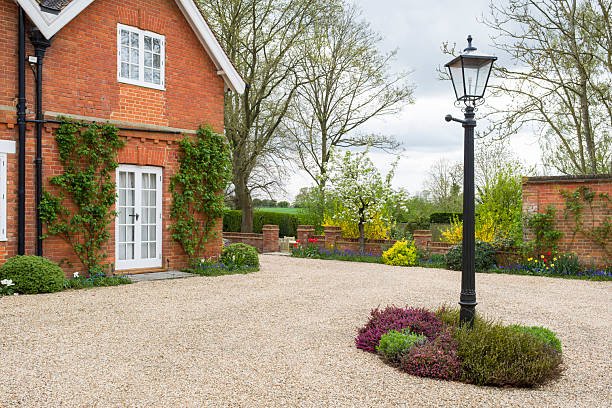
Thinking about replacing your driveway?
Whether you want a modern resin driveway, traditional block paving or a budget-friendly gravel finish, installing a new driveway can improve your home’s appearance, increase practicality and even add value to your property.
So, how much does a driveway cost in 2026?
Across the UK, a new driveway typically costs between £2,500 and £12,000, although larger driveways or premium materials can cost considerably more.
Here’s everything you need to know before requesting quotes.
Driveway costs at a glance
| Driveway type | Estimated 2026 cost |
|---|---|
| Gravel driveway | £40–£80 per m² |
| Tarmac driveway | £50–£100 per m² |
| Concrete driveway | £70–£130 per m² |
| Block paving | £80–£150 per m² |
| Resin bound driveway | £90–£160 per m² |
| Natural stone driveway | £120–£250+ per m² |
These are average UK prices and usually include materials and installation.
How much does a driveway cost by property size?
| Driveway size | Average cost |
|---|---|
| Small (20m²) | £2,500–£4,500 |
| Medium (40m²) | £4,000–£7,500 |
| Large (60m²) | £6,000–£11,000 |
| Extra large (80m²+) | £8,000–£15,000+ |
The final price depends on the material, ground conditions and design.
What affects the cost?
Driveway material
The material you choose has the biggest impact on the price.
Gravel
The most affordable option.
Benefits include:
- Low installation cost
- Good drainage
- Quick installation
However, gravel requires occasional maintenance and topping up.
Block paving
One of the UK’s most popular choices.
Advantages include:
- Attractive appearance
- Easy to repair
- Wide choice of colours and patterns
Individual blocks can be replaced if damaged.
Resin bound
Resin driveways offer a smooth, modern finish.
Benefits include:
- Permeable surface
- Weed resistant
- Low maintenance
- Excellent kerb appeal
They’re becoming increasingly popular with UK homeowners.
Tarmac
A practical option that’s ideal for larger driveways.
Benefits include:
- Durable
- Quick to install
- Good value
Size
Larger driveways require more:
- Materials
- Labour
- Ground preparation
Although the total cost increases, the price per square metre may reduce on larger projects.
Ground preparation
If the existing driveway needs removing or the ground is uneven, additional work may include:
- Excavation
- Waste removal
- New sub-base
- Drainage installation
- Kerbs or edging
These costs can significantly affect the final quotation.
Drainage
UK regulations often require suitable drainage for new driveways.
Depending on the surface you choose, you may need:
- Soakaways
- Drainage channels
- Permeable materials
Your installer can advise what’s required.
What does the price usually include?
Most driveway installation quotes include:
✔ Excavation
✔ Waste removal
✔ Sub-base
✔ Installation
✔ Finishing
Some quotes may not include:
- Edging
- Decorative borders
- Drainage work
- Gates
- Lighting
- Landscaping
- VAT
Always ask for a full breakdown before accepting a quote.
How long does installation take?
Typical installation times are:
| Driveway | Approximate time |
|---|---|
| Small driveway | 2–4 days |
| Medium driveway | 4–6 days |
| Large driveway | 1–2 weeks |
Poor weather can sometimes delay installation.
Which driveway adds the most value?
While there’s no guaranteed increase in property value, well-installed driveways can improve kerb appeal and make your home more attractive to buyers.
Resin bound and block paving are often considered among the most desirable finishes because of their appearance and durability.
How to save money
Compare several quotes
Always get at least three detailed quotations.
Don’t compare price alone—compare materials, guarantees and what’s included.
Choose the right material
If you’re on a tighter budget, gravel or tarmac may offer better value than premium resin or natural stone.
Complete other landscaping at the same time
If you’re also replacing paths, patios or fencing, combining projects can sometimes reduce labour costs.
Frequently Asked Questions
What’s the cheapest driveway?
Gravel is generally the most affordable driveway material.
Which driveway lasts the longest?
Concrete, resin bound and natural stone driveways can all last 20–30 years or more with proper installation and maintenance.
Does a new driveway add value?
It can.
A well-maintained driveway may improve kerb appeal and make your property more attractive to potential buyers.
Do I need planning permission?
Usually not.
However, if you’re installing a non-permeable surface without suitable drainage, planning permission may be required in some circumstances.
Final thoughts
A new driveway is one of the most noticeable improvements you can make to your home.
Whether you choose gravel, block paving or resin, investing in quality materials and an experienced installer can improve your property’s appearance, practicality and long-term value.
Before signing a contract, compare several quotes, check customer reviews and make sure you understand exactly what’s included.
Find a trusted driveway installer
Planning a new driveway?
Use The Right Guy to compare trusted local driveway installers, landscapers and paving specialists, read genuine customer reviews and request quotes from experienced professionals near you.
Own a driveway or landscaping business? Create your free business listing on The Right Guy and help more homeowners discover your services.

Author: manager
Company test