
A garden should feel like somewhere you can actually relax — not somewhere you feel watched every time you sit outside.
But with houses being built increasingly close together, overlooking windows, neighbouring gardens and busy streets can make outdoor spaces feel surprisingly exposed.
The good news is that you don’t necessarily need to build a huge wall around your property. From privacy planting and decorative screens to pergolas and clever seating placement, there are plenty of attractive ways to create a more secluded garden.
Here are 15 garden privacy ideas for UK homes, including options for small gardens and different budgets.
1. Grow a natural privacy screen
Plants are one of the most attractive ways to create privacy because they soften the boundary rather than making the garden feel enclosed.
Dense shrubs and hedging can gradually create a living screen between your garden and neighbouring properties.
Before planting, consider the eventual height and width of the plant. A small shrub from the garden centre can become considerably larger after several years.
2. Combine fencing with planting
You don’t always have to choose between a fence and greenery.
Combining the two can create a much softer boundary.
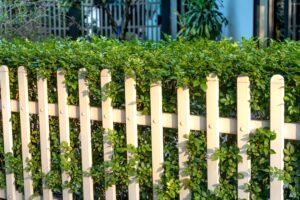
A relatively simple fence provides immediate separation while shrubs and climbing plants gradually cover parts of the structure.
3. Use bamboo screening
Bamboo screening can provide relatively inexpensive privacy while adding warmth and texture to the garden.
It can be particularly useful for disguising an unattractive existing boundary.
Rolls of bamboo screening can often be attached to a suitable existing fence or structure rather than requiring an entirely new boundary.
One important distinction: bamboo screening and growing bamboo are not the same thing. Some living bamboo varieties can spread aggressively, so research the variety and appropriate containment before planting it directly into the ground.
4. Add decorative privacy panels
Privacy screens don’t have to look purely functional.
Timber slatted screens, trellis panels and decorative outdoor panels can become part of the garden design itself.
They are particularly useful when you only need privacy around one specific area rather than along the entire garden boundary.
5. Screen your seating area instead of the whole garden
Sometimes the cheapest solution is not to make the entire garden private.
Instead, identify where privacy actually matters.
If you mainly use one patio or dining area, screening just that section may provide the feeling of seclusion you’re looking for while requiring considerably less work.
6. Create privacy with a pergola
A pergola can help define a seating or dining area while also providing a structure for additional screening.
Climbing plants, outdoor curtains or suitable screening can be incorporated depending on the design.
This is particularly useful when overlooking comes from upper-floor neighbouring windows rather than directly across the garden.
Remember that larger structures may be subject to planning or other restrictions depending on their position and dimensions, so check before building.
7. Use climbing plants
Climbing plants can turn an ordinary fence or trellis into a much greener boundary.
Depending on the conditions in your garden, options could include clematis, honeysuckle, climbing roses or jasmine.
Different climbers have very different requirements, so choose according to your soil, sunlight and available support.
8. Create privacy with trees
Trees can be extremely effective when the problem is overlooking from above.
Instead of creating one solid wall of greenery, carefully positioned trees can interrupt sightlines from neighbouring windows.
Consider eventual tree height, root spread and proximity to buildings before planting.
For significant planting or tree work, professional advice may be worthwhile.
9. Use large planters
Renting your home or don’t want to permanently change the garden?
Large containers can provide a more flexible solution.
Tall grasses, shrubs and other suitable plants in large planters can create screening around patios and seating areas while remaining movable.
They’re also useful for paved gardens where planting directly into the ground isn’t possible.
10. Layer different heights of planting
One row of identical plants isn’t the only way to create privacy.
Try layering vegetation at different heights.
For example:
ground-cover planting → shrubs → taller hedging → small trees
This can create a more natural-looking boundary while making the garden itself feel fuller.
11. Make the boundary part of the design
Privacy doesn’t have to make a garden ugly.
Think about your boundary as another design feature.
Timber, planting, lighting and carefully chosen materials can create something that feels intentional rather than simply blocking the neighbours.
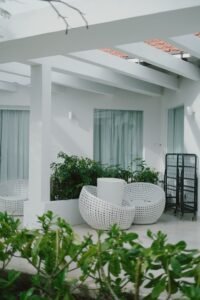
12. Consider pleached trees
For a more formal garden, pleached trees can create an elevated screen of foliage.
Their clear stems allow space underneath while the trained canopy creates privacy higher up.
They’re particularly useful where you want to reduce overlooking without creating a completely solid boundary at ground level.
However, they’re generally more expensive than ordinary hedging and require maintenance to retain their shape.
13. Create privacy without blocking all the light
One common mistake is creating such a substantial privacy screen that the garden becomes dark.
Before installing anything tall, consider how sunlight moves through your garden.
Slatted timber, trellis and strategically positioned planting can sometimes interrupt sightlines without creating a completely solid barrier.
This is particularly important in smaller gardens.
14. Add privacy around a patio
Patios are often positioned directly behind the house — exactly where neighbouring windows can overlook them.
Screens, planters and pergolas can create a more enclosed patio without changing the rest of the garden.
You could even use several methods together, such as a timber screen with climbing plants and large planters.
15. Move the seating area
This one costs almost nothing.
Before spending money on fencing and screening, look at your garden from different positions.
Moving a table or seating area just a few metres could place it behind an existing tree, extension, shed or section of fencing.
Sometimes changing the layout solves much of the privacy problem automatically.
How can I make my garden private cheaply?
If you’re working with a small budget, start with the existing garden.
Reposition furniture, use existing shrubs strategically and identify exactly where overlooking occurs.
Then consider inexpensive additions such as bamboo screening, trellis, climbing plants or smaller shrubs that will mature over time.
You don’t necessarily need to screen every metre of the boundary.
Creating privacy around the area you actually use can be considerably cheaper.
How can I get garden privacy without a fence?
There are plenty of alternatives.
Hedges, shrubs, trees, tall grasses, large planters, pergolas and freestanding privacy screens can all interrupt sightlines without requiring a traditional fence.
The best option depends on where the overlooking comes from.
Ground-level overlooking may be solved with planting or screening, while upstairs windows may require taller planting or an overhead structure.
What is the fastest way to create garden privacy?
A physical screen normally provides privacy faster than planting because plants require time to establish.
Existing fences can sometimes be supplemented with suitable screening or trellis, while freestanding screens can protect specific areas.
If you prefer natural screening, purchasing larger established plants provides quicker coverage but usually costs considerably more.
How high can a garden fence be in the UK?
This is one area where you should check the rules before making changes.
Planning requirements can depend on the height and position of a fence, wall or gate — particularly when it is next to a highway.
Don’t assume that because a neighbour has a tall fence you’re automatically allowed to build the same thing.
Check the current requirements with your local planning authority before installing a significantly taller boundary.
Don’t forget your neighbours
Privacy improvements are usually much easier when they’re planned considerately.
Think about whether a new structure could significantly block your neighbour’s light, affect existing plants or create maintenance problems along the boundary.
It’s also worth establishing exactly where your property boundary sits before replacing fences or constructing permanent structures.
Need help creating a more private garden?
If your project involves new fencing, landscaping, planting or building a garden structure, getting professional advice can save you from expensive mistakes.
Use The Right Guy to find local gardeners, landscapers and fencing professionals, compare businesses and contact professionals operating in your area.
And if you run a gardening, landscaping or fencing business, you can list your business on The Right Guy and put your services in front of homeowners searching for local help.

Author: manager
Company test