
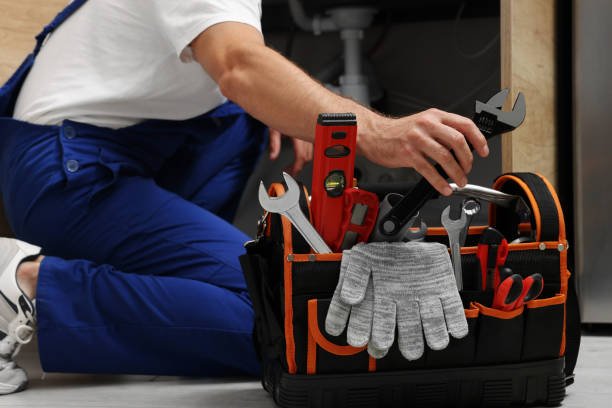
Hiring a handyman can be one of the easiest ways to deal with a long list of small household jobs without calling several different trades.
Shelves need fitting. A curtain rail has come loose. Flat-pack furniture needs assembling. A door is sticking. A gate latch needs replacing. None of the jobs may justify hiring a specialist individually, but together they can easily take up an entire weekend.
So, how much does a handyman charge per hour in the UK in 2026?
For standard household work, a realistic UK average is around £30 per hour. Current 2026 guidance from Checkatrade puts the typical handyman rate at approximately £30 per hour, rising to around £50 per hour in London and major cities. MyBuilder currently gives a similar national average, with self-employed handyman rates often around £20–£30 per hour for ordinary domestic jobs.
However, the hourly figure does not always tell you what you will actually pay.
Most handypeople have a minimum call-out charge of around £40–£50, so a job that takes only 30 minutes is unlikely to cost £15. Larger firms and subcontracted services can also charge around £60 per hour or more.
As a practical 2026 guide:
| Handyman service | Typical UK cost |
|---|---|
| Standard handyman hourly rate | £25–£40 per hour |
| Current national average | Around £30 per hour |
| London / major-city rate | Around £40–£60 per hour |
| Minimum call-out | £40–£50 |
| Half-day booking | Roughly £100–£180 |
| Full day | Roughly £175–£300+ |
| Larger company/subcontracted service | Around £60+ per hour possible |
| Typical small visit overall | Around £80 |
The right price depends on the job, location, experience required and whether materials are included.
The most useful question is therefore not simply:
“What is your hourly rate?”
It is:
“What will the complete job cost, including your minimum charge, materials and any additional fees?”
What Does a Handyman Actually Do?
A handyman — or handyperson — typically deals with smaller repair, maintenance and installation jobs around the home.
That can include:
- fitting shelves;
- hanging pictures and mirrors;
- installing curtain poles;
- assembling flat-pack furniture;
- adjusting doors;
- replacing handles and latches;
- minor decorating;
- small plaster repairs;
- fitting blinds;
- resealing areas;
- minor fence and gate repairs;
- general household maintenance.
Current Checkatrade guidance lists common jobs such as furniture assembly, shelving, curtain rails, minor plumbing, minor electrical tasks and outdoor repairs.
The key word is minor.
A handyman is not automatically a substitute for a qualified electrician, Gas Safe registered engineer, structural builder or other specialist where the work requires specific competence or legal requirements.
That distinction matters when comparing prices.
Average Handyman Hourly Rate in the UK
Current national 2026 figures are remarkably consistent.
Checkatrade gives:
£30 per hour average
with:
around £50 per hour in London and major cities.
MyBuilder likewise puts the nationwide average at approximately:
£30 per hour
while listing examples of:
- London: £50 per hour
- South East: £35 per hour
- North West: £25 per hour
- Wales: £20 per hour.
These should be used as budgeting figures rather than fixed rates.
A highly experienced handyperson doing technically demanding work may charge more than somebody concentrating mainly on furniture assembly and simple maintenance.
How Much Does a Self-Employed Handyman Charge?
For a self-employed handyman, approximately £20–£30 per hour is common for standard household jobs, although the wider market can extend from around £15 to £60 depending on skill and location.
Self-employed handypeople have to cover their own:
- transport;
- tools;
- insurance;
- fuel;
- business administration;
- non-billable travel;
- equipment replacement.
So their hourly rate is not the same thing as take-home pay.
A £30 hourly charge does not mean the person earns £30 for every hour of their working week.
They may spend considerable time travelling, buying materials, quoting and dealing with administration without directly billing a customer.
How Much Does a Handyman Charge in London?
London is normally more expensive.
Current 2026 pricing puts the average London handyman rate at approximately £50 per hour, with self-employed tradespeople sometimes charging £40–£60 per hour.
Parking, congestion, travel time and higher operating costs can all influence the final bill.
For example, a two-hour job at £50 per hour would cost:
2 × £50 = £100
before materials or any additional parking charges.
The same two-hour job at a £30 national-average rate would be:
£60
That is a significant difference.
Why Is There Usually a Minimum Call-Out Charge?
This is one of the most important things to understand when hiring a handyman.
Suppose you only need someone to hang one mirror.
The physical job takes 20 minutes.
At £30 per hour, 20 minutes would theoretically cost:
£10
But the handyman may have spent:
- 20 minutes travelling to you;
- time parking;
- time unloading equipment;
- 20 minutes doing the work;
- another journey afterwards.
Charging £10 would make the appointment commercially unrealistic.
That is why current UK guidance puts minimum call-out fees around £40–£50.
For homeowners, this creates a simple opportunity to save money:
group several small jobs into one appointment.
Is It Cheaper to Book Several Jobs Together?
Usually, yes.
Imagine you need:
- a curtain rail fitted;
- two pictures hung;
- one sticking door adjusted;
- a shelf installed.
Booking four separate visits could mean paying several minimum call-out fees.
If the handyman charges a £45 minimum each time:
4 × £45 = £180 minimum
before any longer jobs.
If all four tasks can be completed during one three-hour appointment at £30 per hour:
3 × £30 = £90
Even allowing for materials, the difference can be substantial.
Checkatrade explicitly recommends grouping several small jobs into one visit because of common minimum call-out charges.
How Much Does a Handyman Charge for a Half Day?
There is no universal half-day rate, but approximately £100–£180 is a useful starting range for several hours of ordinary work.
A simple calculation at £30 per hour gives:
4 hours × £30 = £120
At £40 per hour:
4 hours × £40 = £160
A half-day booking can make sense when you have several maintenance jobs but not enough work to fill an entire day.
Ask what the handyperson considers a half day, because one business may mean three hours while another means four.
How Much Does a Handyman Charge Per Day?
Current MyBuilder guidance suggests that a normal full day is around seven to eight hours and, at typical rates, could cost approximately £175–£200 using a £25 hourly benchmark. Checkatrade notes that London day rates can reach around £350 per day.
For much of the UK, a practical current day-rate budget is around:
£175–£300+
depending on skill, region and work involved.
For example:
At £30 per hour for eight hours:
£240
At £35 per hour:
£280
At £50 per hour in London:
£400
Although some tradespeople offer discounted day rates compared with simply multiplying the hourly rate.
If you have a long list of jobs, ask:
“Do you offer a full-day rate?”
It may be cheaper than paying separately for each task.
How Much Does Flat-Pack Furniture Assembly Cost?
Current 2026 Checkatrade pricing puts flat-pack furniture assembly at approximately £90, with a typical time of around two to four hours.
The final price depends heavily on what is being assembled.
A bedside table and a six-door wardrobe are both “flat-pack furniture” but clearly not the same job.
Tell the handyman:
- brand/model if known;
- number of items;
- approximate size;
- whether old furniture needs moving;
- whether wall fixing is required.
Photographs or product links can help them estimate the work more accurately.
How Much Does It Cost to Put Up Shelves?
Checkatrade currently puts fitting eight basic shelves at around £200, estimating roughly four to eight hours of work.
That may initially sound high.
But shelves need:
- measuring;
- levelling;
- appropriate wall fixings;
- drilling;
- adjustment.
The wall material matters too.
Fixing into solid masonry can require different tools and fixings from plasterboard.
If you have particularly heavy shelves or unusual wall construction, tell the handyperson before they quote.
How Much Does It Cost to Hang Pictures or Mirrors?
Current 2026 guidance puts picture and mirror hanging at approximately £45, typically taking around one to two hours when accounting for the visit.
Again, a minimum charge usually determines the final price.
A small picture is straightforward.
A large heavy mirror may require:
- stronger fixings;
- two people;
- careful measurement;
- identification of wall structure.
Do not assume all hanging jobs are equal.
How Much Does It Cost to Fit a Curtain Rail?
Current national pricing puts fitting a curtain rail at approximately £45, again typically around a one- to two-hour visit.
This is exactly the type of job that makes sense to combine with other tasks.
If you also need shelves, pictures and a door adjusted, arrange everything together rather than paying multiple call-out charges.
Can a Handyman Do Plumbing?
A handyman may be suitable for certain minor plumbing tasks, depending on their experience.
Current Checkatrade pricing uses approximately £60 as a typical figure for a minor one-hour plumbing job.
Examples might include simple maintenance or replacing straightforward fittings where no specialist legal requirement applies.
However, more complicated plumbing should be handled by an appropriate plumber.
If a job involves:
- major pipework;
- heating systems;
- boilers;
- significant leaks;
- specialist installation;
a plumber will usually be the better choice.
The cheapest labour rate is irrelevant if you end up paying twice to have work corrected.
Can a Handyman Do Electrical Work?
Some very minor tasks may fall within the skills of an experienced handyperson, but electrical work needs particular caution.
Checkatrade currently lists around £60 as a typical one-hour minor electrical job but also advises using qualified specialists for more complex or safety-critical electrical work.
For anything involving significant wiring or work requiring electrical certification or compliance, use a suitably competent electrician.
A £30 handyman and a £50 electrician are not interchangeable simply because both can physically use a screwdriver.
Handyman vs Builder: Which Should You Hire?
A handyman is generally suited to small repairs and maintenance.
A builder is more appropriate for:
- structural alterations;
- major masonry;
- extensions;
- significant renovations;
- larger construction work.
The dividing line is not always perfectly clear.
For example:
Repair one damaged fence board: handyman may be ideal.
Replace an entire boundary fence: fencing contractor may be better.
Patch a small area of plaster: handyman may be suitable.
Replaster several rooms: hire a plasterer.
Fit one shelf: handyman.
Build structural studwork across a major renovation: carpenter/builder.
Choosing the right trade can save more money than simply finding the lowest hourly rate.
If you are planning larger works rather than small maintenance jobs, our guide to how much to budget for renovations can help you understand the wider project costs involved.
Handyman vs DIY: When Is Paying Worth It?
Some handyman jobs are perfectly achievable for confident DIYers.
The financial comparison is not only:
handyman price vs £0 labour
because DIY can still require:
- drill;
- bits;
- fixings;
- saws;
- levels;
- specialist tools;
- several hours of your own time.
Suppose a handyman charges £60 to complete three small tasks that would take you an entire Saturday and require £30 of tools you may rarely use again.
Hiring someone might represent better value.
DIY makes more sense when:
- you already have the tools;
- the job is low-risk;
- you understand the process;
- you genuinely want to do it.
Professional help makes more sense where a mistake could damage walls, furniture or expensive fittings.
What Affects Handyman Prices?
Location
Rates vary significantly around the UK.
London can be around £50 per hour while some regions are closer to £20–£30.
Job complexity
Hanging a picture is different from repairing a damaged gate or fitting custom shelving.
Experience
Someone with many years of practical experience may charge more.
Time required
Longer jobs naturally cost more, although half-day and full-day rates can offer better value.
Minimum call-out
This can make tiny tasks disproportionately expensive.
Materials
Many handypeople bring their own tools but do not automatically supply all materials. Checkatrade advises homeowners to confirm materials before booking.
Access
Difficult parking, flats with restricted access or jobs requiring extra equipment can increase the cost.
Company vs sole trader
Larger firms that subcontract work may charge around £60 per hour or more, according to current Checkatrade guidance.
Are Materials Included in the Hourly Rate?
Usually not automatically.
A handyman is likely to bring their own basic tools, but materials such as:
- brackets;
- shelves;
- timber;
- hinges;
- handles;
- paint;
- sealant;
- replacement fittings;
may be additional.
Checkatrade currently advises that tools are generally provided while materials may need to be purchased separately.
Ask:
“Are materials included in that price?”
before confirming.
Also establish whether the handyman charges for time spent collecting materials.
What About Basic Fixings?
Some quotes include small standard fixings such as screws and wall plugs.
Others charge materials separately.
For small inexpensive items, a tradesperson may simply absorb them into the price.
For larger hardware, expect an additional charge.
The important thing is clarity.
A £120 quotation that includes all fixings may be cheaper overall than a £100 quote followed by £40 of additional materials.
Hourly Rate or Fixed Quote: Which Is Better?
Hourly pricing
Best for:
- mixed small tasks;
- uncertain scope;
- jobs where you can prioritise work within a time limit.
For example:
Book four hours and complete as many items from this list as possible.
This can work extremely well.
Fixed price
Better where the job has a clearly defined outcome.
For example:
Assemble wardrobe: £90
Install eight shelves: £200
You know the total before work begins.
For anything significant, getting the scope in writing is sensible. Our guide to what should be included in a written quote explains what information homeowners should check before agreeing to work.
How Can You Save Money When Hiring a Handyman?
Create one complete job list
Walk around the property before booking.
Write down every small task.
You may discover you have enough work to make a half-day appointment worthwhile.
Buy obvious materials beforehand
If the handyman tells you exactly what is required, buying standard items yourself can avoid paying for material-collection time.
Do not guess, though.
Buying the wrong size hinges or wall fittings only creates another problem.
Send photographs
Pictures allow the tradesperson to see the job before arriving.
That can help them:
- bring suitable tools;
- identify materials;
- estimate time;
- quote more accurately.
Clear the work area
Move furniture and personal belongings beforehand.
Paying £30–£50 per hour for somebody to spend 20 minutes clearing access is poor value.
Group jobs by room
Instead of asking them to move constantly around the house, organise the list.
For example:
Bedroom: curtain rail + mirror.
Living room: shelves + TV bracket.
Garden: latch + loose fence board.
This makes the appointment more efficient.
When Should You Hire a Specialist Instead?
A handyman is excellent precisely because they can handle many smaller jobs.
But they should also know when something is outside their competence.
Use specialist trades for work such as:
- significant electrical installations;
- gas work;
- major plumbing;
- structural work;
- roof work at significant height;
- large-scale plastering;
- complex carpentry;
- major building alterations.
Checkatrade’s current 2026 guidance specifically recommends using specialists for complex, regulated or safety-critical structural, electrical and plumbing work.
A good handyman telling you:
“You’ll need an electrician for this part.”
is demonstrating professionalism, not weakness.
Do Handymen Need Qualifications?
There is no single formal UK qualification required simply to describe yourself as a handyman.
Current Checkatrade guidance notes that no universal formal qualification is needed, while recommending customers check experience, insurance and appropriate competence for specialist work.
That makes your own checks important.
Ask about:
- previous similar jobs;
- photographs;
- reviews;
- public liability insurance;
- specialist qualifications where relevant.
For ordinary flat-pack assembly, a lack of formal trade certification is not particularly concerning.
For electrical work, it can be extremely important.
Should a Handyman Have Public Liability Insurance?
It is sensible to check.
Public liability insurance can provide protection where accidental property damage or certain third-party claims arise from the work.
Checkatrade specifically recommends asking whether a handyman holds public liability insurance.
Imagine a heavy mirror falls shortly after installation and damages an expensive floor.
Knowing the tradesperson operates properly and has suitable insurance is far more reassuring than simply knowing they were £5 cheaper per hour.
How Much Would a Handyman Cost for a Day of Moving-In Jobs?
A handyman can be particularly useful after moving house.
You might have:
- flat-pack beds;
- pictures;
- mirrors;
- blinds;
- curtain poles;
- shelves;
- door adjustments;
- furniture anchoring.
Instead of booking each task separately, a full day around £175–£300+ can make better financial sense.
This is particularly useful after already paying for moving services. If you’re budgeting for the wider move, our UK house removals cost guide covers current removal-company pricing and the other costs you may encounter.
Is a Handyman Useful During a Renovation?
Very.
Large renovation projects often leave dozens of small finishing tasks.
A builder, electrician or carpenter may be unnecessary for every one.
Examples include:
- fitting handles;
- hanging mirrors;
- assembling furniture;
- touching up paintwork;
- fitting shelves;
- installing accessories;
- resealing;
- small repairs.
Using the right person for each task can control costs.
You generally do not want to pay a highly specialised tradesperson’s rate for work a competent handyperson can safely complete.
Should You Get More Than One Quote?
For a £45 picture-hanging job, obtaining five written quotations may be excessive.
For a full-day job costing several hundred pounds, comparing options becomes more worthwhile.
For larger or unusual handyman projects, ask:
How long do you expect it to take?
What is your hourly or day rate?
Is there a minimum charge?
Are materials included?
Does the quote include VAT where applicable?
Will you remove any waste?
The clearer the job description, the more meaningful the comparison.
Is £30 an Hour Reasonable for a Handyman?
Yes.
Current June 2026 Checkatrade data gives £30 per hour as the UK average, and MyBuilder uses the same national figure.
Whether £30 represents good value depends on:
- what they can do;
- how efficiently they work;
- quality;
- reliability;
- location.
A £25-per-hour handyman who takes six hours costs:
£150
A £35-per-hour handyman who completes the same work correctly in four hours costs:
£140
The cheaper hourly rate did not produce the cheaper job.
Frequently Asked Questions
How much does a handyman charge per hour in the UK?
The current 2026 UK average is approximately £30 per hour. London and major cities are more commonly around £50 per hour, while some lower-cost regions can be closer to £20–£30.
What is the minimum charge for a handyman?
Most handypeople have a minimum call-out charge of approximately £40–£50.
This means very small jobs will not usually be charged purely by the minutes worked.
How much does a handyman charge per day?
Approximately £175–£300+ is a useful UK starting range for a normal day, depending on local rates and skill. London day rates can be around £350 or higher.
Is £50 an hour expensive for a handyman?
It would be above the current national average but is normal in London and some higher-cost areas. More experienced or specialist handypeople can also justify higher rates.
How much does flat-pack furniture assembly cost?
Current Checkatrade guidance puts a typical flat-pack furniture job around £90, taking approximately two to four hours.
Does a handyman provide materials?
Not always.
Most bring their own tools, but you should check whether fittings, replacement parts and other materials are included.
Can a handyman do electrical work?
Only appropriate minor work within their competence. Complex, regulated or safety-critical electrical work should be handled by a suitably qualified specialist.
Is it cheaper to book a handyman for several jobs at once?
Usually.
Because minimum call-out charges are common, grouping several small tasks into one visit can substantially reduce the overall cost.
Do handymen charge VAT?
Only if the business is required or chooses to be VAT registered.
Always check whether a quotation is inclusive or exclusive of VAT where applicable.
So, How Much Should You Budget for a Handyman?
For most ordinary household handyman work in the UK in 2026, a sensible starting budget is:
£25–£40 per hour for many standard jobs
with:
around £30 per hour as the current national average
and:
around £40–£60 per hour in London and other higher-cost markets.
Expect a minimum visit of around:
£40–£50
and roughly:
£175–£300+ for a full day, depending on the person, work and location.
The easiest way to get better value is often to stop booking one tiny job at a time.
Create a list.
If the mirror, shelves, curtain rail, sticking door and gate latch all need attention, put them into one appointment and let the handyperson work through them efficiently.
And do not automatically use a handyman for specialist work simply because the hourly rate looks attractive. The best-value tradesperson is the one who is competent for the actual task and completes it correctly.
If you need help with smaller repairs and household jobs, The Right Guy can help you discover local handypeople and other service professionals in your area. When requesting quotes, send a complete job list and photographs where useful so businesses can tell whether an hourly, half-day or fixed-price booking offers the best value.

Author: The Right Guy Team
UK service guides published by The Right Guy Ltd.