
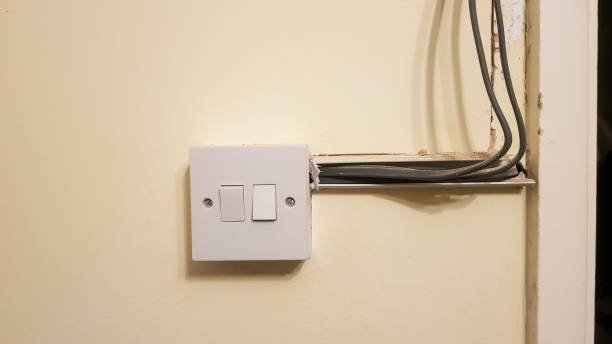
If your home’s wiring is old, unsafe or no longer meets modern electrical standards, a full rewire may be necessary.
Although it’s one of the biggest electrical jobs you can undertake, rewiring can improve your home’s safety, support modern appliances and even increase your property’s value.
So, how much does it cost to rewire a house in 2026?
Across the UK, a full house rewire typically costs between £4,000 and £12,000, depending on the size of the property, how accessible the wiring is and whether the home is occupied during the work.
Here’s everything you need to know before requesting quotes.
House rewiring costs at a glance
| Property | Estimated 2026 cost |
|---|---|
| 1-bedroom flat | £3,500–£5,000 |
| 2-bedroom house | £4,000–£6,500 |
| 3-bedroom house | £5,000–£8,500 |
| 4-bedroom house | £7,000–£10,500 |
| 5-bedroom house | £9,000–£15,000+ |
These are average UK prices and usually include labour, materials and a new consumer unit where required.
What affects the cost?
Property size
Larger homes require:
- More wiring
- More sockets
- More light fittings
- More labour
As the property size increases, so does the overall cost.
Occupied or empty?
Rewiring an empty property is usually faster and cheaper.
If you remain living in the house during the work, electricians may need to complete the project in stages, increasing labour time.
Accessibility
Older properties can be more challenging to rewire.
Costs may increase if electricians need to work around:
- Solid walls
- Limited loft access
- Suspended floors
- Existing extensions
Number of sockets and lighting points
Adding extra:
- Plug sockets
- USB sockets
- Light switches
- Outdoor lighting
- Security lights
will increase material and labour costs.
What does a full rewire include?
Most full rewires include:
✔ New electrical wiring
✔ New plug sockets
✔ New light switches
✔ New lighting circuits
✔ Consumer unit (fuse box) replacement
✔ Earth bonding upgrades
✔ Electrical testing
✔ Electrical Installation Certificate (EIC)
Always check what’s included before accepting a quote.
Signs your house may need rewiring
Your home may require a rewire if you notice:
- Frequent tripping of the fuse box
- Flickering lights
- Burning smells from sockets
- Old rubber or fabric-insulated wiring
- Black round pin sockets
- Cracked switches or sockets
- A property that hasn’t been rewired for 25–30 years
If you’re unsure, an Electrical Installation Condition Report (EICR) can assess the condition of your wiring.
How long does a house rewire take?
Typical timescales are:
| Property | Approximate time |
|---|---|
| 1-bedroom flat | 3–5 days |
| 2-bedroom house | 5–7 days |
| 3-bedroom house | 6–10 days |
| 4-bedroom house | 8–12 days |
Additional time may be needed for plastering, decorating and making good after the electrical work is complete.
Do you need to move out?
Not always.
Many homeowners stay in the property during a rewire, but it can be noisy, dusty and disruptive.
If you’re carrying out a major renovation, completing the rewire before decorating is usually the easiest and most cost-effective approach.
Can a rewire increase property value?
While there’s no guaranteed increase in value, a modern electrical system can make your home more attractive to buyers.
Benefits include:
✔ Improved electrical safety
✔ Compliance with modern standards
✔ More sockets
✔ Modern consumer unit
✔ Greater buyer confidence
A recent rewire can also reduce the likelihood of electrical issues during a property survey.
Hidden costs
Before accepting a quotation, ask whether it includes:
- Chasing walls
- Making good plasterwork
- New light fittings
- Smoke alarms
- Consumer unit
- Electrical testing
- Certification
- VAT
Some electricians quote for the wiring only, with repairs to walls and decorating charged separately.
How to save money
Rewire during renovations
If you’re already renovating, rewiring before plastering and decorating is usually much cheaper than doing it afterwards.
Plan additional sockets
Think carefully about where you’ll need power in the future.
Adding extra sockets during a rewire is much cheaper than installing them later.
Compare several electricians
Always obtain at least three detailed quotes.
Choose a qualified electrician who is registered with a recognised competent person scheme and provides the appropriate certification on completion.
Frequently Asked Questions
How often should a house be rewired?
Many homes don’t need rewiring for 25–30 years, although this depends on the condition of the installation and whether it meets current safety standards.
Can I live in my house during a rewire?
Yes, but it can be disruptive.
Some homeowners choose to stay elsewhere until the work is complete.
Is rewiring covered by home insurance?
Usually not.
Most insurers consider rewiring to be maintenance rather than an insured event.
Do I need an EICR before rewiring?
Not always, but an EICR is often recommended to assess the condition of your existing electrical installation before major work begins.
Final thoughts
A full house rewire is a major investment, but it’s one of the most important improvements you can make to an older property.
Modern wiring improves safety, supports today’s electrical demands and can give you peace of mind for decades to come.
Before choosing an electrician, compare detailed quotes, check customer reviews and make sure you understand exactly what’s included in the price.
Find a trusted electrician
Need your house rewired?
Use The Right Guy to compare trusted local electricians, read genuine customer reviews and request quotes from experienced professionals near you.
Own an electrical business? Create your free business listing on The Right Guy and help more homeowners discover your services.

Author: The Right Guy Team
UK service guides published by The Right Guy Ltd.