
How to Remove Mould Permanently (And Stop It Coming Back)
If you’ve cleaned mould before only to see it return a few weeks later, you’re not alone.
The truth is, you can’t permanently remove mould unless you fix what’s causing it.
Bleach might make the wall look clean, but if condensation, damp or poor ventilation remains, the mould will almost certainly come back.
Here’s how to remove mould properly—and stop it from returning.
Why does mould keep coming back?
Mould needs three things to grow:
- Moisture
- A food source (paint, wallpaper or plaster)
- Poor airflow
Simply cleaning the wall removes the visible mould, but it doesn’t remove the conditions that allow it to grow.
That’s why treating the cause is far more important than treating the mould itself.
Step 1: Identify the source
Before buying any cleaning products, ask yourself:
✔ Does the room have poor ventilation?
✔ Are the windows covered in condensation every morning?
✔ Is there a leaking roof?
✔ Is a pipe leaking inside the wall?
✔ Does the mould only appear on outside walls?
✔ Is the gutter overflowing?
Finding the source is the most important step.
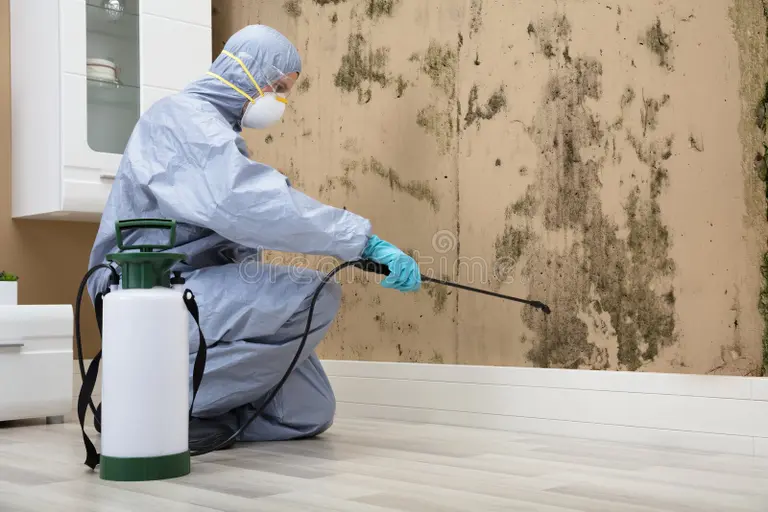
Step 2: Wear protective equipment
Before cleaning mould, wear:
- Rubber gloves
- Eye protection
- A face mask (FFP2 or similar)
- Old clothes
Keep children and pets away while cleaning.
Step 3: Clean the mould
Small patches can usually be cleaned safely.
Use:
- Specialist mould remover
- White vinegar
- Hydrogen peroxide
- Warm water with detergent
Avoid simply painting over mould.
It will almost always come back.
Should you use bleach?
Many homeowners reach for bleach first.
While bleach kills mould on non-porous surfaces like tiles, it often isn’t the best solution for painted walls or plaster.
That’s because bleach mainly removes the surface staining.
The mould roots can remain inside porous materials.
Many mould specialists recommend dedicated fungicidal mould removers instead.
Step 4: Dry the room properly
Cleaning alone isn’t enough.
After removing mould:
- Open windows
- Use extractor fans
- Run a dehumidifier if necessary
- Heat the room consistently
- Dry all surfaces completely
Moisture is mould’s best friend.
Step 5: Fix the real problem
Most recurring mould is caused by one of these:
Condensation
The most common cause in UK homes.
Usually found:
- Bedrooms
- Bathrooms
- Kitchens
- Behind wardrobes
- Around windows
Improve ventilation and reduce indoor humidity.
Leaking roof
Dark patches on ceilings or upstairs walls may indicate a roof leak.
A damaged tile can allow water inside long before you notice a drip.
Plumbing leak
Hidden leaks behind walls often create mould before homeowners realise there’s a plumbing problem.
Rising damp
Usually affects ground-floor walls.
Signs include:
- Peeling paint
- Salt deposits
- Damp skirting boards
- Persistent moisture
Penetrating damp
Often caused by:
- Cracked render
- Missing pointing
- Broken gutters
- Damaged brickwork
How to stop mould permanently
The best long-term solution is reducing moisture.
Simple steps include:
✔ Open windows daily.
✔ Use extractor fans when cooking or showering.
✔ Keep furniture slightly away from outside walls.
✔ Dry washing outside where possible.
✔ Maintain indoor humidity between 40–60%.
✔ Repair leaks immediately.
✔ Insulate cold external walls where appropriate.
Should you repaint?
Only repaint once:
- The mould has been removed.
- The wall is completely dry.
- The underlying problem has been fixed.
Otherwise, the mould will usually return underneath the new paint.
Using anti-mould paint can provide additional protection, but it is not a substitute for solving the moisture problem.
When should you call a professional?
You should consider professional help if:
- Mould covers a large area.
- It keeps returning after cleaning.
- You suspect rising damp.
- The mould appeared after flooding.
- There is a persistent leak.
- The affected wall feels wet.
Ignoring mould can eventually damage plaster, timber and decorations—and in some cases may indicate a larger building defect.
Frequently Asked Questions
Can mould ever be removed permanently?
Yes—but only if you eliminate the source of moisture. Cleaning alone rarely provides a permanent solution.
Is black mould dangerous?
Some moulds may trigger allergies, asthma or respiratory irritation, particularly in children, older adults and people with existing lung conditions. If extensive mould is present, seek professional advice. The NHS recommends reducing damp and mould in the home and addressing the underlying cause. (nhs.uk)
Does a dehumidifier stop mould?
A dehumidifier can help reduce indoor humidity, but it won’t fix leaks, rising damp or penetrating damp.
Is vinegar better than bleach?
Vinegar may be more effective than bleach on porous surfaces because bleach often only removes surface staining rather than penetrating deeply into materials.
Should I paint over mould?
No.
Always remove the mould and fix the underlying cause first.
Final thoughts
If there’s one thing to remember, it’s this:
Mould is a symptom—not the problem.
Cleaning it without fixing the source of moisture is like repainting a leaking ceiling without repairing the roof.
Find the cause, solve it properly, and the mould is far less likely to return.
Need help with mould or damp?
Whether the problem is caused by a leaking roof, damaged guttering, poor ventilation, plumbing leaks or damp walls, finding the right professional is the first step.
Use The Right Guy to compare trusted local roofers, plumbers, damp specialists, builders and ventilation experts near you.
Own a home improvement business? Create your free business listing on The Right Guy and help more homeowners find your services.