
Double Glazing vs Triple Glazing: Which Is Better for Your UK Home?
If you’re replacing your windows, choosing between double glazing vs triple glazing can sound straightforward: three panes must be better than two.
From a purely thermal perspective, triple glazing can outperform double glazing. The additional pane and insulating cavity can reduce heat transfer through the window, potentially making rooms more comfortable during cold weather.
But that doesn’t automatically make triple glazing the better purchase.
Modern high-performance double glazing can already provide very good insulation, while triple glazing generally costs more, weighs more and may take many years to recover its additional cost through energy savings alone.
For many existing UK homes, good-quality double glazing remains the sensible balance between price and performance. Triple glazing becomes more attractive in highly insulated properties, very exposed locations, rooms where thermal comfort is particularly important, or projects where exceptionally low heat loss is the objective.
Here’s how to decide which makes sense for your home.
Double glazing vs triple glazing: what’s the difference?
The basic construction is exactly what the names suggest.
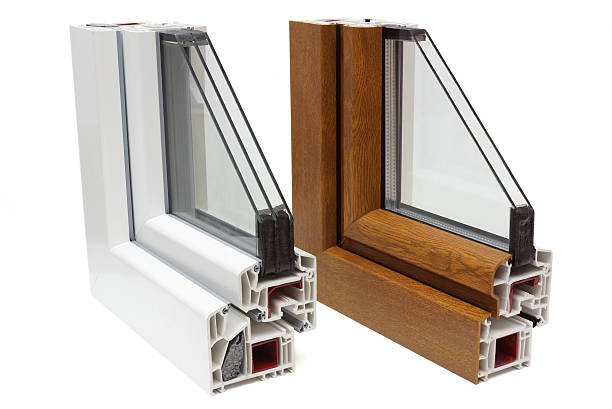
Double glazing uses two panes of glass separated by a sealed cavity.
Triple glazing uses three panes, creating two cavities.
Those cavities are commonly filled with air or an inert gas such as argon, while modern glazing can also incorporate low-emissivity coatings, warm-edge spacers and thermally efficient frames.
So you’re not really comparing “two pieces of glass against three”.
You’re comparing complete window systems.
That distinction matters because a high-quality double-glazed window can potentially outperform a poorly specified triple-glazed unit.
Double vs triple glazing at a glance
| Feature | Double glazing | Triple glazing |
|---|---|---|
| Number of panes | 2 | 3 |
| Insulating cavities | 1 | 2 |
| Thermal performance | Good to excellent | Potentially excellent |
| Upfront cost | Lower | Higher |
| Weight | Lower | Higher |
| Solar gain | Usually higher | Can be lower depending on specification |
| Sound insulation | Good | Potentially better, but glass specification matters |
| Best for | Most existing UK homes | High-performance homes and specific situations |
| Replacement availability | Extremely common | Widely available but fewer options with some suppliers |
The most important figure to compare isn’t actually the number of panes.
It’s the U-value of the complete window.
What is a window U-value?
A U-value measures how readily heat passes through a building element.
For windows, lower is better.
For example, a window with a U-value of 1.0 W/m²K loses less heat under the same conditions than a window rated at 1.4 W/m²K.
Importantly, when comparing quotations, you want the performance of the whole window, including the glazing and frame — not simply an impressive centre-pane glass figure.
Government guidance explicitly treats a window’s U-value as the combined thermal performance of its glazing and frame.
This is one reason you shouldn’t buy triple glazing solely because it has an extra pane.
Ask each installer:
“What is the whole-window U-value of the exact window you’re quoting?”
That gives you a much more useful comparison.
Is triple glazing warmer than double glazing?
Generally, yes — provided you’re comparing products of similar overall quality.
The additional pane creates another insulating cavity, which can reduce heat transfer.
This can improve comfort in ways that aren’t always obvious from the energy bill alone.
Windows with better thermal performance can have warmer internal surface temperatures during cold weather. That can reduce the cold sensation people sometimes experience when sitting beside large windows.
This is particularly relevant for rooms with:
- large areas of glazing;
- floor-to-ceiling windows;
- north-facing windows;
- exposed elevations;
- seating immediately beside glazing.
So even where the financial payback is slow, some homeowners may value triple glazing for comfort.
Is triple glazing much more energy efficient?
It can be, but don’t assume all triple glazing performs identically.
Window performance depends on the entire specification:
- glass;
- cavity width;
- gas filling;
- low-emissivity coatings;
- spacer bars;
- frame material;
- frame design;
- installation quality.
Good double-glazed units can achieve strong U-values themselves.
That’s why comparing the actual performance specifications matters much more than counting panes.
Current building standards also continue to evolve. In England, Approved Document L provides the energy-performance framework for building work, and new 2026 editions have been published for buildings subject to the incoming standards, with transitional arrangements applying.
If you’re replacing windows as regulated building work, your installer should ensure the installation complies with the requirements applicable to your project and location.
How much more does triple glazing cost?
Triple glazing will generally cost more than equivalent double glazing because you’re buying a more complex and heavier glazing unit.
But there isn’t a reliable universal percentage you can add to a double-glazing quote.
The difference depends on:
- number and size of windows;
- frame material;
- opening style;
- glass specification;
- window design;
- installation difficulty;
- property access;
- installer;
- decorative features.
For example, comparing basic double-glazed uPVC with premium triple-glazed aluminium tells you very little about the cost attributable specifically to the third pane.
The best approach is to request quotations for comparable specifications.
If you’re still establishing the overall project budget, our guide to how much double glazing costs in the UK in 2026 explains the main factors affecting replacement-window prices.
Will triple glazing save enough on heating bills to pay for itself?
Possibly, but this is where homeowners should be careful.
Triple glazing reduces heat loss through windows, but windows are only one part of your home’s thermal envelope.
Heat can also escape through:
- walls;
- roof;
- floors;
- doors;
- uncontrolled draughts.
Suppose your home has poorly insulated walls and very little loft insulation.
Spending substantially more to move from already-efficient double glazing to triple glazing might produce a smaller improvement than using that extra budget to address a major insulation weakness elsewhere.
This is why whole-house efficiency matters.
If the primary goal is reducing heating costs rather than simply replacing worn-out windows, our guide to the cheapest ways to heat your home looks at heating controls, insulation and different heating technologies alongside glazing.
Is triple glazing worth it if I already have double glazing?
Usually, the argument is weaker if your existing double-glazed windows are modern, performing well and in good condition.
Replacing perfectly functional windows solely to gain the additional thermal performance of triple glazing can involve a significant upfront cost.
However, the calculation changes if your existing windows:
- have failed sealed units;
- are difficult to operate;
- have damaged frames;
- are noticeably draughty;
- provide poor thermal performance;
- need replacing anyway.
If you’re already committed to replacing them, the relevant question becomes:
How much extra will triple glazing cost compared with the double glazing I would otherwise buy?
That’s a much better financial comparison than comparing the entire triple-glazing installation against doing nothing.
What if I currently have single glazing?
This is a very different situation.
Moving from old single glazing to modern double glazing can create a substantial improvement in thermal comfort and window performance.
The additional improvement from double to triple glazing is then more incremental.
So if your budget is limited, don’t assume you need the maximum possible specification throughout the house.
Good-quality double glazing may deliver the balance you need while leaving budget available for insulation, heating improvements or other renovations.
Does triple glazing reduce condensation?
This needs a careful answer.
Better-insulated glazing can result in warmer internal glass surfaces, potentially reducing the likelihood of internal surface condensation under the same indoor humidity and temperature conditions.
But replacing windows does not eliminate the need for ventilation.
Moisture is produced every day by:
- cooking;
- showering;
- drying clothes;
- breathing;
- household activities.
If that moisture isn’t adequately removed, condensation can still appear on windows or other cold surfaces.
Window replacement also needs to account for ventilation requirements. Approved Document F covers ventilation requirements for dwellings in England, with updated 2026 guidance published for the incoming standards.
Don’t therefore allow anyone to sell triple glazing as a guaranteed “cure for condensation”.
The cause of the moisture still matters.
Is triple glazing better for soundproofing?
Potentially — but three panes do not automatically equal dramatically better soundproofing.
Acoustic performance depends on factors such as:
- glass thickness;
- different pane thicknesses;
- cavity dimensions;
- laminated acoustic glass;
- window seals;
- frame construction;
- installation quality.
For homes beside a busy road, railway, flight path or nightlife area, acoustic glazing specifications may be more important than simply choosing triple glazing.
If noise reduction is your priority, tell the installer that explicitly.
Ask for acoustic performance data for the proposed window rather than assuming the most panes will produce the quietest room.
Does triple glazing block more sunlight?
Potentially slightly more, depending on the glass specification.
Adding another pane and coatings can affect visible light transmission.
In most ordinary situations, modern triple glazing can still provide excellent daylight, but the difference may matter when you’re designing a particularly dark room or using large expanses of glass.
There is also solar gain to consider.
Sunlight entering through windows can contribute useful warmth during winter, particularly on sunny elevations. Glazing specification influences how much solar energy passes through.
That means designing an energy-efficient window isn’t simply a competition to achieve the lowest possible U-value.
You also need to consider orientation, overheating, daylight and comfort.
Can triple glazing make a house too hot in summer?
The third pane itself doesn’t automatically create an overheating problem.
Solar gain depends on the overall glazing specification, orientation, window size and shading.
A large south- or west-facing glazed area can contribute to summer overheating regardless of whether it is double or triple glazed.
If overheating is a concern, consider:
- external shading;
- blinds;
- glazing specification;
- window orientation;
- ventilation;
- surrounding trees or buildings.
This becomes particularly important with large modern extensions where extensive glazing is part of the architectural design.
Is triple glazing heavier?
Yes.
Three panes of glass naturally make the sealed unit heavier than an equivalent double-glazed unit.
That means the frames, hinges and other hardware need to be designed for the additional load.
With properly designed new windows, this should already be accounted for.
It becomes more relevant when someone proposes simply replacing glazing units within existing frames.
Don’t assume an existing double-glazing frame is automatically suitable for triple-glazed units.
Have the complete window system assessed.
Which is better for an older UK property?
Older doesn’t automatically mean “use double glazing”.
The appropriate choice depends on the building.
For a typical 1980s or 1990s house undergoing window replacement, high-performance double glazing may provide a perfectly sensible balance.
For an older solid-wall property, you need to think about the whole building.
And for listed buildings or properties in conservation areas, restrictions and heritage considerations may affect which replacement windows are appropriate.
Traditional appearance can also matter.
Putting bulky modern frames into a period façade may technically improve thermal performance while damaging the character that made the property attractive in the first place.
In heritage situations, specialist advice may be needed.
Which is better for a new build?
This is where triple glazing becomes particularly interesting.
New high-performance homes can be designed as complete thermal systems.
When walls, roofs, floors, doors and airtightness are already performing to a very high standard, windows become an increasingly important part of overall heat-loss calculations.
The higher upfront cost of triple glazing can also be easier to absorb when the windows are being purchased anyway rather than replacing functioning existing units.
For extremely energy-efficient or Passivhaus-style construction, high-performance triple glazing is common.
But the correct specification should come from the building’s energy design rather than simply deciding that “triple is best”.
Double glazing vs triple glazing for a north-facing room
Triple glazing can be particularly attractive in rooms with large north-facing windows.
These windows don’t receive the same direct solar gain as south-facing glazing and can feel colder during winter.
The improved internal surface temperature offered by a highly insulated window can therefore improve comfort near the glass.
This might matter more in:
- living rooms;
- home offices;
- bedrooms;
- dining areas with large glazed doors.
Again, the benefit isn’t solely a number on your energy bill.
Comfort has value too.
Could you install triple glazing on only part of the house?
Potentially.
There’s no rule saying every window must necessarily have identical glazing performance, although appearance, building requirements and overall design need to be considered.
A homeowner might decide that triple glazing provides greatest value on:
- exposed elevations;
- north-facing rooms;
- bedrooms affected by cold;
- particularly large windows.
Double glazing might then be used elsewhere.
However, mixing specifications complicates ordering and may affect appearance or costs, so ask the installer whether a mixed approach actually offers worthwhile savings.
Which glazing is better if you’re planning to sell?
Be careful about treating windows purely as an investment designed to increase your sale price.
Buyers generally appreciate attractive, modern and efficient windows.
But there is no guarantee that paying a premium for triple glazing will increase the sale price by the same amount.
If your existing windows are visibly deteriorated, replacing them could improve the overall impression of the property.
If you already have attractive modern double glazing, upgrading purely to triple glazing immediately before selling may be harder to justify financially.
For homeowners preparing a property for market, our guide to cheap ways to increase property value looks at where smaller renovation budgets may have a greater visual and practical impact.
What about double vs triple glazed doors?
The same principles broadly apply, but doors create slightly different design considerations.
Large glazed patio, sliding and bifold doors can represent a significant area of glazing.
Their thermal performance therefore matters.
However, you should compare the complete doorset specification rather than focusing only on whether the glass is double or triple glazed.
Frame material, thermal breaks, seals and installation can all affect performance.
For very large openings, the additional weight of triple-glazed units can also become particularly relevant to the hardware and opening mechanism.
Is expensive double glazing better than cheap triple glazing?
Potentially, yes.
This is one of the most useful lessons from the comparison.
Imagine two quotations:
Window A: well-designed double glazing with an efficient frame, good seals, low-emissivity glass, warm-edge spacers and professional installation.
Window B: basic triple glazing in a poorly performing frame with questionable installation quality.
You should not automatically assume Window B is better.
The complete window matters.
Ask for:
- whole-window U-value;
- Window Energy Rating where applicable;
- frame specification;
- glass specification;
- guarantees;
- installer accreditation;
- ventilation provisions;
- acoustic data if noise matters.
Then compare like with like.
Building Regulations and replacement windows
Replacement windows in UK homes may be subject to building regulations, but the precise rules vary between the nations of the UK.
In England, Part L covers conservation of fuel and power, while Part F addresses ventilation. The government has also published new 2026 Approved Documents as part of the Future Homes and Buildings Standards, with the main new regulations coming into force on 24 March 2027, subject to transitional provisions.
This is another reason to use an installer who understands the requirements applying to your particular project rather than relying on generic window specifications found online.
What should you ask a window installer?
Before choosing double or triple glazing, ask for the actual performance data.
Useful questions include:
- What is the whole-window U-value?
- What Window Energy Rating does it achieve?
- What gas is used between the panes?
- What spacer system is used?
- What frame specification am I getting?
- Is triple glazing necessary to achieve this performance?
- What is the exact additional cost for triple glazing?
- What acoustic performance does the window provide?
- How will ventilation requirements be addressed?
- What guarantees apply to the glass, frames and installation?
- Is making good included?
- How long will installation take?
The installer should be able to explain why one specification suits your property.
“Triple is better because three is more than two” isn’t enough.
Frequently asked questions
Is triple glazing better than double glazing?
Triple glazing can provide better thermal performance than comparable double glazing. However, it usually costs more, and modern high-performance double glazing may already provide sufficient performance for many existing UK homes.
Is triple glazing worth the extra money?
It can be for highly energy-efficient homes, cold or exposed properties, large glazed areas and homeowners prioritising maximum thermal comfort. For an average existing home, the additional energy savings may not always justify the premium on financial grounds alone.
Does triple glazing make your house warmer?
It can reduce heat loss through the windows and create warmer internal glass surfaces, which may make rooms feel more comfortable during cold weather.
Is triple glazing much quieter?
Not necessarily. Acoustic performance depends heavily on glass thickness, pane configuration, seals and installation. Specialist acoustic double glazing can sometimes outperform basic triple glazing for noise reduction.
Does triple glazing stop condensation?
It may reduce the likelihood of internal condensation by keeping the internal glass surface warmer, but humidity and ventilation remain crucial. It is not a guaranteed cure for condensation.
Is triple glazing worth replacing good double glazing?
Usually the case is much weaker if your existing double-glazed windows are modern, efficient and functioning properly. Triple glazing is easier to justify when the windows need replacing anyway.
Is triple glazing better for a north-facing house?
It can be particularly useful on cold, exposed or north-facing elevations because improved thermal performance can increase comfort near windows.
Does triple glazing increase house value?
Efficient modern windows can be attractive to buyers, but there is no guarantee that the additional cost of triple rather than double glazing will be recovered through a higher sale price.
Double glazing vs triple glazing: which should you choose?
For most homeowners comparing double glazing vs triple glazing, I wouldn’t start by asking how many panes you can afford.
Start with:
What performance does my house actually need?
For a typical existing UK property, high-quality double glazing is often the sensible choice. It can provide strong thermal performance without the additional expense and weight of triple glazing.
Triple glazing becomes more compelling when you’re building or renovating to very high energy-efficiency standards, have particularly cold or exposed rooms, use large areas of glazing, or simply value maximum thermal comfort enough to pay the premium.
Most importantly, compare complete windows rather than panes.
A properly specified, professionally fitted double-glazed window can be a much better investment than poor-quality triple glazing.
If you’re planning window replacement, our 2026 double glazing cost guide can help you establish a realistic budget before requesting quotations.
When you’re ready to compare installers, you can find local window fitters and other home-improvement professionals through The Right Guy. Ask each company to quote comparable double- and triple-glazing specifications where possible, so you can see exactly what the additional money is buying.