
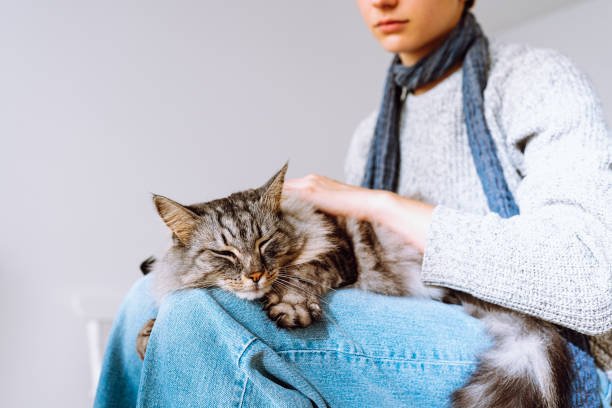
Cat sitting in the UK typically costs around £12 to £20 per home visit, although the final price depends on where you live, how long each visit lasts, how many cats you have and whether your pet needs medication or other additional care.
For overnight cat sitting in your own home, a more realistic budget is around £30 to £50 per night, while premium sitters, holiday dates and more demanding care requirements can push the price higher.
Current 2026 research supports these figures. ManyPets surveyed 19 UK pet sitters in January 2026 and found an average weekday visit cost of £13.74 for a 30-minute to one-hour visit. Rover’s current location data puts many local cat-sitting visits around £12–£16, with London averaging £16.10 per visit in August 2026.
For most owners, budgeting around £15 per visit is therefore a sensible starting point.
Average Cat Sitting Prices in the UK
Typical 2026 cat-sitting prices look roughly like this:
| Cat-sitting service | Typical UK price |
|---|---|
| 30-minute home visit | £12–£18 |
| 45–60 minute visit | £15–£25 |
| Two visits per day | £24–£40 |
| Overnight house sitting | £30–£50+ per night |
| Premium/experienced sitter | £18–£30 per visit |
| Additional cat | £2–£8+ extra per visit |
| Medication administration | £3–£10+ extra or included |
| Bank holiday visit | £20–£35+ |
| Christmas/New Year visit | £25–£40+ |
| One week, one visit daily | £85–£140 |
| One week, two visits daily | £170–£280 |
These are broad market ranges rather than fixed national rates.
Rover’s July 2026 national guide lists a national drop-in rate of £20 per visit and £33 per night for house sitting, although its actual city-level data commonly falls below that headline national figure. For example, its August 2026 location data shows £14.95 per visit in Cotswold, Bedford, Cambridge and Reading, £13.42 in Solihull and £16.10 in London.
That is why £12–£20 per standard visit is a useful practical range for much of the UK.
What Does a Cat Sitter Usually Do?
A standard cat-sitting visit is much more than simply putting food into a bowl.
Depending on your instructions and the service booked, a sitter will generally feed your cat, refresh drinking water, clean or scoop litter trays and check that your cat appears well.
They may also spend time playing with or giving attention to your cat, bring in post, open or close curtains and send you photographs or updates.
Some sitters will also administer straightforward medication if they are comfortable and experienced doing so.
Cats Protection recommends leaving your sitter clear care instructions, emergency contact details, your vet’s details and enough food, litter and medication for the period you are away.
Always discuss exactly what is included before booking because a £12 fifteen-minute feeding visit is not directly comparable with a £20 sixty-minute appointment involving medication and play.
How Much Is a 30-Minute Cat-Sitting Visit?
A 30-minute cat-sitting visit commonly costs around £12 to £18.
ManyPets found an overall average of £13.74 for weekday visits lasting between 30 minutes and one hour in its January 2026 survey.
Current Rover figures provide similar examples. Cat sitting averages around £14.95 per visit in Bedford, Cambridge, Reading and the Cotswolds, while London currently averages £16.10.
For a straightforward visit to one healthy adult cat, therefore, around £15 is a very reasonable benchmark.
How Much Is a One-Hour Cat-Sitting Visit?
A longer visit can cost approximately £15 to £25, although pricing structures vary.
Some sitters charge by duration, perhaps offering separate 20-, 30- and 60-minute options.
Others operate with one standard visit price regardless of whether the sitter stays 30 or 45 minutes.
A longer appointment may be worthwhile for cats that particularly enjoy human company, multi-cat households or situations where additional tasks are needed.
Before paying extra for an hour, ask how long the sitter normally spends with each cat and what they actually do during that time.
How Much Does Cat Sitting Cost Per Day?
The daily cost depends primarily on how many visits you book.
At £15 per visit:
One daily visit costs £15 per day.
Two visits cost £30 per day.
At £20 per visit, two daily visits would cost £40 per day.
Cats Protection recommends that someone visits your cat at least twice a day while you are away, with very young, older or certain unwell cats potentially requiring more frequent care.
That means owners budgeting for a holiday should not automatically calculate the cost using only one daily visit.
Two visits at £15 each would make a week’s care approximately £210.
How Much Does Cat Sitting Cost for a Week?
For seven days, your total might look approximately like this:
If you book one £15 visit each day:
£15 × 7 = £105
If you book two visits each day:
£15 × 14 = £210
At £18 per visit:
£18 × 14 = £252
A week’s cat sitting can therefore cost roughly £170–£280 for twice-daily professional visits, depending on the sitter and your location.
Rover’s national July 2026 guide calculates seven £20 drop-ins at £140, although that assumes only one visit per day.
When comparing holiday-care options, make sure you compare the same level of care. A cattery price quoted per day and a sitter price quoted per visit are not directly comparable unless you calculate the complete stay.
How Much Does Overnight Cat Sitting Cost?
Overnight cat sitting commonly costs around £30 to £50 per night, with higher prices possible.
With this type of arrangement, the sitter usually stays in your home overnight rather than visiting only for short periods.
Rover’s current national data gives an average of £33 per night for house sitting, while its city figures are around £30 in Birmingham, Leeds, Glasgow and Edinburgh, £35.50 in London and £40 in Swansea.
A house sitter may be useful where your cat needs more supervision or companionship or where you prefer someone to be present in your property overnight.
However, the exact expectations should be agreed in advance.
“Overnight sitting” does not necessarily mean the person will remain inside your home for 24 hours continuously.
How Much Does Cat Sitting Cost in London?
London cat sitting commonly costs around £14 to £20 per standard visit, with overnight house sitting often around £30 to £45+.
Rover’s live August 2026 London data currently shows an average of £16.10 per cat-sitting visit.
Its broader London analysis gives drop-in prices of around £11–£16, house sitting at approximately £28–£45 per night and an average house-sitting rate of £39.62.
Premium independent sitters can charge more, particularly in central London or where considerable travel time is involved.
Even within London, two sitters only a few miles apart can have quite different pricing.
Is £15 a Normal Price for a Cat Sitter?
Yes.
£15 per visit is a very normal UK price in 2026.
ManyPets found a £13.74 average from its survey, while current Rover location data frequently sits close to £15.
If the £15 visit lasts approximately 30 minutes and includes feeding, water, litter care, a basic welfare check and some interaction, the price is firmly within the mainstream market.
Is £20 Expensive for Cat Sitting?
Not necessarily.
£20 is toward the upper end of a standard drop-in visit in many locations, but it is still realistic.
Rover’s national 2026 guide uses £20 as its national average drop-in figure, while Pets Locally gives an indicative 2026 range of £11–£20 for cat drop-ins lasting approximately 30 to 60 minutes.
A £20 visit may make particular sense if it lasts an hour, includes medication, involves several cats or comes from an established and insured sitter.
Why Do Cat Sitters Charge More on Bank Holidays?
Demand rises considerably around Christmas, New Year and bank-holiday periods, while the sitter is also giving up their own holiday time.
Many therefore apply a surcharge.
ManyPets found that the sitters in its 2026 survey charged an average of £27.43 for Bank Holiday, Christmas and New Year visits lasting 30 minutes to one hour, compared with £13.74 for standard weekday visits.
That is close to double the ordinary weekday rate.
If you are going away over Christmas, do not base your budget on the sitter’s normal Tuesday-afternoon price.
Ask for the holiday rate before confirming your travel plans.
Does It Cost More If You Have Two Cats?
Sometimes, but not always.
Many sitters include two cats from the same household within their standard rate because feeding two cats does not necessarily double their travel time.
Others charge an additional fee for each extra cat.
Rover’s London data, for example, shows an average additional-cat charge of around £6.64 for drop-in visits, although actual sitter fees vary.
The extra charge is more likely where the second cat creates significantly more work through separate feeding, medication or litter requirements.
For households with several cats, ask for a total household quote rather than assuming the advertised price applies separately to every animal.
Does Giving a Cat Medication Cost Extra?
It can.
ManyPets found that some additional services, including giving medication, could add only a few pounds, but individual sitters set their own policies.
Straightforward medication mixed with food may be included by some sitters.
More involved care can be different.
If your cat needs tablets, injections or treatment at strict times, choose a sitter who is genuinely comfortable and experienced with the requirement rather than simply finding someone willing to attempt it.
Cats Protection recommends checking specifically that a prospective sitter has experience providing any special care or medication your cat requires.
Do Cat Sitters Charge Extra for Key Collection?
Sometimes.
A sitter may offer an initial meet-and-greet and key collection free of charge, particularly once you have made a booking.
Others charge a small amount where an additional journey is required solely to collect or return keys.
ManyPets found extra services such as key collection and plant watering starting from around £3–£5 among some sitters surveyed.
Ask about keys before you leave.
You should know how they will be stored, whether they are labelled with your address and when they will be returned.
Is Cat Sitting Better Than a Cattery?
Neither option is automatically better for every cat.
Cats Protection notes that many cats, particularly nervous or home-loving ones, are likely to prefer staying in their own familiar environment. It describes a reliable home sitter as a good option in those circumstances.
The RSPCA similarly notes that cats can find travel and unfamiliar environments stressful and says having someone care for them at home is usually best where appropriate.
Cat sitting also means your cat can keep its usual bed, litter tray, feeding area and territory.
A cattery may nevertheless be suitable for cats that cope well with a different environment or owners who would rather not give somebody access to their home.
Cost can also influence the decision. Rover currently gives national figures of around £20 for a drop-in, £33 per night for house sitting and £40 per night for boarding at a licensed facility.
How Often Should a Cat Sitter Visit?
Cats Protection recommends having someone visit at least twice daily when you go away. Young cats, older cats and those with particular health conditions may require more frequent attention.
This matters because cats can appear independent, but they still need regular welfare checks.
A sitter needs to confirm that the cat is eating, drinking, using the litter tray and behaving normally.
Water bowls can spill. Automatic feeders can malfunction. A cat can become unwell between visits.
So the purpose of regular visits is not merely companionship; it is also to identify potential problems promptly.
Can You Leave a Cat Alone for a Weekend?
Leaving enough bowls of food and disappearing for an entire weekend without anyone checking the cat is not a good substitute for arranging care.
The RSPCA says pets should not be left on their own without a responsible person looking after them, while Cats Protection advises arranging at least twice-daily visits when away.
Even a healthy independent cat needs someone to check that food, water, litter and the home environment remain safe.
If cost is a concern, a trusted friend, relative or neighbour may be able to help.
Professional Cat Sitter vs Friend or Neighbour
Asking a friend or neighbour can obviously be much cheaper and may even be free.
For a short trip and a straightforward cat, this can work very well.
Professional sitters become particularly useful when you need dependable scheduled visits, will be away for longer, have multiple cats or need somebody experienced with specific care requirements.
Professional sitters may also carry appropriate insurance.
Cats Protection recommends checking references, reviews and insurance when choosing a professional sitter and arranging a meeting in your home before you go away.
The RSPCA also recommends meeting the sitter first, checking references and insurance and ensuring they understand your pet’s needs.
Does a Cat Sitter Groom Your Cat?
Basic brushing may be possible if it is part of your instructions and your cat is comfortable with the sitter.
However, a cat sitter is not automatically a professional groomer.
More involved services such as de-matting, clipping or specialist coat care should generally be discussed separately with someone offering appropriate grooming services.
If your cat needs professional coat maintenance, our guide to cat grooming costs in the UK explains typical prices and what different appointments can include.
Do not expect a standard £15 feeding visit to include a complete grooming service unless this has specifically been agreed.
What Should You Leave for Your Cat Sitter?
Preparing properly can make the booking much easier for both the sitter and your cat.
Leave clear feeding instructions, plenty of food and litter, your vet’s contact details, an emergency contact and written information about medication or unusual behaviour.
Explain where the cat normally hides, where the carrier is kept and what the sitter should do if your cat does not appear during a visit.
Cats Protection also recommends giving your sitter enough food, litter and medication and making sure they have both veterinary and emergency contact information.
Do not rely on remembering everything during a rushed handover five minutes before leaving for the airport.
How to Choose a Good Cat Sitter
You are not simply hiring somebody to feed your pet.
You are also giving them access to your home while you are away.
Arrange a meet-and-greet before the booking and see how they interact with your cat. Explain the routine clearly and ask how they would respond if your cat became unwell or escaped.
Check relevant experience, references or reviews and insurance where applicable.
The RSPCA advises owners using a professional pet sitter to check references and insurance and suggests asking to see a DBS certificate.
If your cat needs medication or has behavioural or health-related requirements, discuss those specifically rather than assuming every sitter offers the same level of care.
Can Reviews Help You Choose a Cat Sitter?
Yes, particularly when they contain detailed comments from repeat customers.
Look for reviews discussing reliability, communication, how the sitter treated the animal and whether owners received useful updates while away.
A profile with 50 reviews saying little more than “great” is less informative than detailed feedback from owners explaining what the sitter actually did.
Be cautious about relying entirely on the overall star rating. Patterns, detail and recency matter.
When you are comparing online providers, it is also worth knowing the common warning signs covered in The Right Guy’s guide to how to spot fake reviews.
How Far in Advance Should You Book a Cat Sitter?
For ordinary weekends, you may be able to find a sitter relatively close to your travel date.
For summer holidays, school holidays, Easter, Christmas and New Year, booking earlier is sensible.
The most established local sitters can fill their diaries quickly during popular travel periods.
Last-minute availability can also leave you with fewer choices and higher holiday pricing.
Cats Protection specifically recommends making bookings early and having a backup option in case an unexpected cancellation occurs.
If you already know you will be away, arranging the sitter early also gives you time for a proper introductory meeting.
Frequently Asked Questions
How much does a cat sitter charge per visit in the UK?
Around £12–£20 per visit is typical. ManyPets found an average of £13.74 in January 2026, while current Rover location averages often sit around £13–£16.
Is £15 a normal cat-sitting price?
Yes. Around £15 for a standard home visit is very typical in the current UK market.
How much does cat sitting cost for seven days?
One £15 visit per day would cost £105. Two £15 visits per day would cost £210 for the week.
How much does overnight cat sitting cost?
Approximately £30–£50+ per night is realistic. Rover’s current national house-sitting figure is £33 per night, although local prices vary.
How many times should a cat sitter visit each day?
Cats Protection recommends at least twice-daily visits, with some kittens, elderly cats or cats with health conditions potentially needing more frequent checks.
Do cat sitters charge extra for more than one cat?
Some do. Others include two or more cats from the same household in the standard price. Ask for a complete household quote.
Do cat sitters clean litter trays?
A normal cat-sitting visit would generally be expected to include basic litter-tray care, but confirm the exact service beforehand.
Will a cat sitter give medication?
Some experienced sitters will, but you must discuss the type of medication and your cat’s needs before booking.
Do cat sitters charge more at Christmas?
Usually, yes. ManyPets’ 2026 survey found an average £27.43 for Bank Holiday, Christmas and New Year visits compared with £13.74 for ordinary weekday visits.
Is it better to use a cat sitter or cattery?
It depends on the individual cat. Cats Protection and the RSPCA both highlight the advantages of allowing cats to remain in their familiar home environment where suitable.
How Much Should You Budget for Cat Sitting?
For most owners asking how much cat sitting costs in the UK, a sensible 2026 budget is around £12–£20 per standard home visit.
Around £15 per visit is a useful mainstream benchmark.
If your sitter visits twice each day, expect approximately £25–£40 per day, or roughly £175–£280 for a seven-day holiday.
Overnight house sitting commonly costs around £30–£50+ per night, while Christmas, New Year, medication requirements, multiple cats and longer visits can increase the total.
Price is important, but reliability matters just as much. Your sitter needs access to your home and is responsible for noticing if something is wrong with your cat while you are away.
If your cat also needs coat maintenance before or after your trip, you can compare the wider costs in our UK cat grooming price guide.
And if you are looking for a local cat sitter, pet-care professional or other service provider, you can discover professionals through The Right Guy.

Author: manager
Company test