
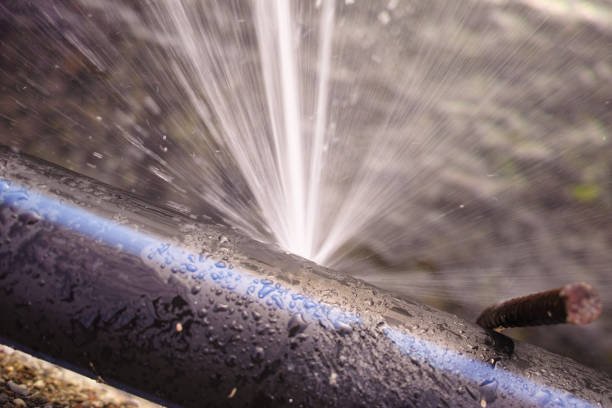
A leaking pipe can be anything from a small, accessible joint that takes a plumber less than an hour to repair to a hidden leak behind a wall that requires investigation, opening up the structure and repairing water damage afterwards. Unsurprisingly, the price can vary enormously.
So, how much does it cost to fix a leaking pipe in the UK?
For a relatively straightforward accessible leak, you might pay around £80–£150, while more involved water-pipe repairs can commonly reach roughly £220–£440. Emergency, hidden and underground leaks can cost considerably more once call-out charges, leak detection, access and reinstatement are included. Current UK cost guides put emergency plumbing rates at roughly £75–£150 per hour, although actual prices vary by location, time and contractor.
The important question is not simply “How much does a plumber charge to fix a leak?” but where is the leak, how easy is it to reach, and how much damage has already occurred?
Here is what UK homeowners should expect to pay in 2026.
Leaking pipe repair costs in the UK at a glance
These figures should be treated as budgeting ranges rather than fixed quotes:
| Type of plumbing work | Typical budget to consider |
|---|---|
| Straightforward accessible leak | Around £80–£150 |
| More involved leaking water-pipe repair | Around £220–£440 |
| Emergency plumber | Around £75–£150 per hour |
| Leaking tap repair | Around £95–£170 |
| Leaking radiator repair | Around £140–£450 |
| Major underground/supply-pipe work | Potentially hundreds to several thousand pounds |
Published 2026 estimates vary because “fixing a leak” can describe very different jobs. For example, one current guide estimates a general leak repair at around £77–£128, whereas a dedicated water-supply-pipe repair guide estimates £220–£440.
That is why the location and accessibility of the leak matter more than any single national average.
What affects the cost of fixing a leaking pipe?
Two homes can have what appears to be the same leak and receive very different quotes.
The main cost factors are accessibility, urgency, the type of pipe, the extent of the damage and whether additional work is required after the plumbing itself has been repaired.
Where the leaking pipe is located
An exposed pipe beneath a kitchen sink is relatively easy for a plumber to inspect and reach.
A pipe buried behind a tiled bathroom wall is not.
If the plumber needs to remove flooring, cut into plasterboard, lift floorboards or access a concealed service area, labour costs can increase before the actual pipe repair even begins.
Underground supply-pipe leaks can be considerably more complicated because locating and accessing the damaged section may require specialist equipment and excavation.
How serious the leak is
A slow leak from a joint is very different from a split pipe releasing large quantities of water.
A straightforward repair might involve replacing a small component or repairing an accessible section of pipe.
More substantial damage may require a section of pipework to be replaced.
And if the leak has been present for some time, the plumbing bill may only be part of the overall cost.
Whether you need an emergency plumber
Timing can make a significant difference.
A plumber attending during normal working hours will usually cost less than someone attending late at night, on a Sunday or during a bank holiday.
Current UK estimates put emergency plumbing rates at approximately £75–£150 per hour, although charges vary considerably between contractors and areas.
If water is actively escaping and you cannot safely isolate it, waiting until Monday morning simply to save the call-out charge may be a false economy.
For a more detailed breakdown of out-of-hours pricing, read our guide to how much an emergency plumber costs in 2026.
How much does it cost to fix a small accessible pipe leak?
A minor leak that is clearly visible and easy to access will usually sit towards the lower end of repair costs.
For example, a plumber may quickly identify a problem around an accessible connection or a short damaged section of exposed pipework.
A current 2026 UK plumbing cost guide estimates a general leak repair at around £77–£128, with an average close to £100.
However, that should not be interpreted as a guaranteed £100 repair.
Minimum call-out charges, labour rates and replacement parts vary, and plumbers in London and parts of the South East may charge more than those in other regions.
When requesting a quote, ask whether the price includes the call-out, labour, materials and VAT where applicable.
How much does it cost to repair a leaking water supply pipe?
A more substantial leaking water pipe can cost considerably more than a minor internal plumbing repair.
Current UK estimates for repairing a leaking water supply pipe are approximately £220–£440, with around £330 given as an indicative average.
Costs increase when the damaged pipe is difficult to reach or located underground.
The plumber or specialist may need to identify the exact location of the leak before excavation can begin. Ground surfaces may then need to be opened and reinstated afterwards.
A leak beneath soil is one thing. A leak beneath a driveway, paving or other finished surface can involve much more work.
How much does it cost to fix a pipe leaking behind a wall?
Hidden leaks are difficult to price because the pipe repair itself may be relatively straightforward once the problem is exposed.
Finding and reaching it is the expensive part.
You may need to budget for:
- leak detection;
- plumber labour;
- opening the wall or ceiling;
- repairing or replacing pipework;
- drying the affected area;
- replacing damaged plasterboard;
- plastering;
- redecorating;
- replacing damaged tiles or flooring.
This is why a leak that eventually requires a relatively inexpensive pipe fitting can still produce a much larger total bill.
Do not automatically start removing walls because you can see a damp patch. Water can travel away from the actual source of the leak, so the visible damage does not always identify the precise location of the failed pipe.
How much does it cost to repair a leaking pipe under the floor?
Underfloor leaks present similar problems.
If floorboards can be lifted relatively easily, access may be straightforward.
Leaks beneath tiled, concrete or otherwise difficult-to-access floors can be significantly more complicated.
The total price depends on how quickly the leak can be located and what must be disturbed to reach it.
For concealed leaks, ask whether the quote includes trace and access — finding and exposing the source — or only repairing the pipe once it has been located.
That distinction can make a major difference when comparing quotes.
What if it is actually the tap that is leaking?
Before assuming you have a damaged pipe, identify where the water is coming from.
A dripping tap may be caused by the tap itself rather than the supply pipe.
Current 2026 estimates put professional leaking-tap repairs at around £95–£170, although the exact cost depends on the tap and the fault.
If the water is coming from the spout rather than visibly escaping from pipework below, read our guide to why your tap is dripping and the common ways to fix it before assuming you have a leaking pipe.
If water is collecting inside the cabinet underneath the sink, however, check the pipework and connections as well as the tap itself.
How do you know if you have a hidden leaking pipe?
Not every leak announces itself with water pouring through the ceiling.
Some develop slowly.
Possible warning signs include unexplained damp patches, staining on walls or ceilings, peeling paint, unusual moisture around floors, a persistent musty smell or an unexplained increase in metered water consumption.
You may also notice the sound of running water when fixtures are not being used.
None of these automatically proves that a pipe is leaking. Damp and staining can have other causes, so diagnosing the source properly matters before paying for unnecessary plumbing work.
If you have a water meter and your bill has risen unexpectedly, Ofwat advises that customers whose abnormal consumption was caused by a leak that has subsequently been repaired may be able to claim a leakage allowance from their water company, depending on the company’s policy.
What should you do immediately if a pipe bursts?
If you have an active burst pipe, the priority is limiting further water damage rather than investigating repair prices.
WaterSafe advises turning off the incoming water supply at the stop tap and switching off the boiler, then opening taps to drain the system. Escaping water should be contained where possible. If leaking water has reached electrical equipment or installations, WaterSafe advises switching the electricity off at the mains rather than interacting with affected electrics.
Once the immediate flow has been controlled, contact an appropriate plumber.
Knowing where your stop tap is before an emergency occurs can save valuable time. Internal stop taps are commonly found beneath kitchen sinks, although they can also be located in utility rooms, garages, cellars, downstairs toilets or beneath stairs.
Can you fix a leaking pipe yourself?
That depends entirely on the problem and your competence.
A homeowner may be able to deal with certain very minor, accessible plumbing issues, but a temporary patch should not automatically be treated as a permanent repair.
Leaks inside walls, beneath floors, around complex plumbing systems or involving substantial water escape are better assessed properly.
There is another practical issue: misdiagnosis.
If you repair what appears to be the problem but water continues leaking somewhere you cannot see, the resulting damage could become much more expensive than the original plumbing bill.
For a significant or unexplained leak, professional diagnosis is usually the safer financial decision.
Does home insurance cover leaking pipes?
Potentially — but you need to check your individual policy.
Buildings insurance may cover certain water damage caused by an unexpected escape of water, but policies, exclusions and excesses vary. Cover for finding the source of a hidden leak — often called trace and access — also varies between insurers and policies.
Do not assume that because the water damage is covered, the failed pipe itself will necessarily be paid for under the same terms.
If the damage is significant, contact your insurer promptly and ask what they want you to do before carrying out extensive opening-up or reinstatement work.
WaterSafe also recommends contacting your home insurer following a burst pipe so they can advise on the next steps.
Who is responsible for a leaking water pipe?
For homeowners, responsibility depends on which pipe has failed.
Ofwat explains that responsibility for clean-water pipework is divided between water companies and property owners. Water companies generally maintain water mains and communication pipes, while homeowners are normally responsible for supply pipes on their property.
This becomes particularly important with an underground leak near the edge of your property.
Before paying someone to excavate a supply pipe, contact your water company if you are uncertain who is responsible. Ofwat also notes that some water companies offer help with subsidised or free supply-pipe repairs.
Responsibility for drains and sewers is different again. In England, homeowners are generally responsible for private drains within their property boundary, while sewerage companies are generally responsible for public sewers and many lateral drains.
What if you rent your home?
If you are renting, do not automatically arrange and pay for a major pipe repair yourself.
In England, landlords are generally responsible for major repairs including pipes, sinks, baths, toilets, heating and hot water systems. Tenants should report repair problems to the landlord promptly.
Rules and housing frameworks differ across the UK, so follow the requirements applying to your tenancy and nation.
In an active emergency, you should still take reasonable immediate steps to limit damage — such as safely isolating the water where possible — while contacting the landlord or emergency contact.
Can a leaking pipe increase your water bill?
Yes, particularly if your property is metered.
A slow leak can waste water continuously without being particularly obvious inside the home.
If you suspect a hidden leak, unusual metered consumption is therefore worth investigating.
After a qualifying leak has been repaired, contact your water supplier and ask whether a leakage allowance is available. Ofwat states that customers may be able to claim an allowance for water lost through a repaired leak, but individual water companies have their own policies and requirements.
Keep evidence of the repair in case the supplier requests it.
Is it cheaper to repair or replace leaking pipework?
For one isolated failure in otherwise sound pipework, repairing the affected section is usually the obvious approach.
Repeated leaks can change the calculation.
If old or deteriorating pipework is failing in several places, repeatedly paying for emergency access and individual repairs may eventually become less economical than replacing a larger section.
Ask the plumber what they can see about the condition of the surrounding pipework rather than focusing solely on today’s leak.
That does not mean accepting an expensive repipe without explanation. A good tradesperson should be able to explain why replacement is being recommended and what alternatives exist.
How can you reduce the cost of a leaking pipe repair?
The biggest saving often comes from acting early.
A £100–£300 plumbing problem can become much more expensive if leaking water damages plaster, flooring, kitchen units or ceilings.
If the situation is not an emergency, obtain more than one quote where practical.
Describe the problem accurately and provide photographs if the plumber requests them. Ask what the quote includes and whether there is a separate call-out charge.
For larger repairs, find out whether making good is included. Plumbers do not necessarily repair plaster, tiling, flooring or decoration after accessing hidden pipework.
Understanding that before work begins prevents unpleasant surprises later.
Questions to ask a plumber before agreeing to the repair
Price matters, but it should not be the only question.
Ask whether the quote includes labour, parts, VAT and call-out charges. If the leak is concealed, ask whether leak detection and access are included.
You should also understand whether the proposed work is a permanent repair and whether any surrounding pipework appears damaged.
For a more complete checklist, use our guide to the 12 essential questions to ask before hiring a plumber before agreeing to substantial plumbing work.
A clear quote makes it much easier to compare plumbers on the actual work being offered rather than choosing purely from the lowest headline price.
Frequently asked questions about leaking pipe repair costs
How much does a plumber charge to fix a leaking pipe?
A straightforward accessible leak may cost roughly £80–£150, while more substantial leaking water-pipe repairs can be around £220–£440 based on current 2026 published UK estimates. Hidden, underground and emergency leaks can cost significantly more.
Is a leaking pipe an emergency?
It can be. A minor contained leak is different from a burst pipe releasing water rapidly. If water cannot be contained, is damaging the property or is affecting electrical installations, treat the situation urgently and isolate the water supply where it is safe to do so.
How long does a leaking pipe take to repair?
A simple accessible repair may be completed relatively quickly. Hidden leaks can take much longer because the plumber first needs to locate and access the damaged pipe. Underground leaks can require additional investigation and excavation.
Why is fixing a hidden leak so expensive?
The pipe repair may not be the expensive part. Locating the leak, opening walls or floors, drying the property and reinstating plaster, decoration, flooring or tiles can cost more than replacing the failed section of pipe.
Should I call my water company or a plumber?
For an internal plumbing leak, a plumber will normally be the appropriate first contact. For a suspected supply-pipe leak near or outside your property boundary, check responsibility with your water company. Ofwat explains that water companies and homeowners are responsible for different sections of the supply network.
How much should you budget to fix a leaking pipe in the UK?
For a simple accessible problem, budgeting somewhere around £80–£150 may be reasonable based on current published figures. For a more involved leaking water-pipe repair, £220–£440 is a more realistic indicative range, while emergency, concealed or underground leaks can take the total substantially higher.
The biggest cost difference is often not the replacement pipe or fitting. It is finding the leak and gaining access to it.
That is why acting quickly matters. A small plumbing problem is usually much cheaper to resolve before it damages walls, ceilings, flooring and furniture.
If you have found a leak and need professional help, you can find local plumbers through The Right Guy. Compare the work being proposed, ask what is included in the quote and choose a plumber who can clearly explain both the cause of the leak and the repair required.

Author: manager
Company test