
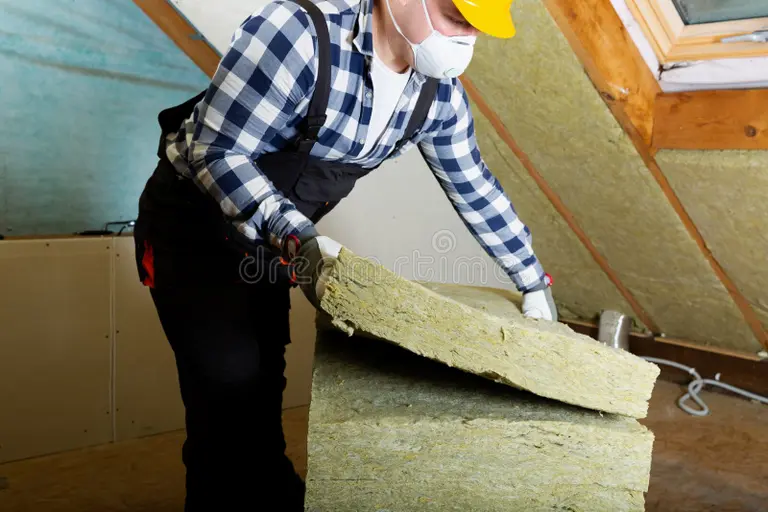
If your home feels cold in winter and your heating bills keep climbing, your loft could be the reason.
According to the Energy Saving Trust, around a quarter of a home’s heat can be lost through an uninsulated roof. Loft insulation is one of the quickest and most cost-effective ways to improve energy efficiency, reduce heat loss and lower your energy bills.
So, how much does loft insulation cost in 2026?
For most UK homes, expect to pay between £400 and £1,800, depending on the type of insulation, the size of your loft and whether your existing insulation needs replacing.
Loft insulation costs at a glance
| Loft insulation type | Estimated 2026 cost |
|---|---|
| Topping up existing insulation | £400–£700 |
| Full loft insulation | £700–£1,300 |
| Loft boarding with insulation | £1,200–£2,500 |
| Spray foam insulation | £3,000–£8,000+ |
| Loft insulation removal | £500–£2,000 |
These are average UK prices including materials and installation. Larger homes or difficult loft spaces may cost more.
What affects the cost?
The size of your loft
Naturally, a larger loft requires more insulation and more labour.
Most installers calculate costs based on the total floor area.
Existing insulation
If your loft already has insulation, you may only need a top-up.
Current guidance recommends around 270mm of mineral wool insulation for many UK homes.
Adding extra insulation is considerably cheaper than starting from scratch.
Type of insulation
Several insulation materials are available.
Mineral wool
The most common option in the UK.
Advantages:
- Affordable
- Excellent thermal performance
- Fire resistant
- Easy to install
It’s suitable for most lofts.
Rigid insulation boards
These provide excellent insulation while taking up less space.
They’re commonly used in loft conversions where every centimetre matters.
However, they cost more than mineral wool.
Sheep’s wool
A natural, environmentally friendly alternative.
It offers good thermal performance but is usually more expensive.
Spray foam insulation
Spray foam has become increasingly controversial.
While it provides excellent insulation, some mortgage lenders have been reluctant to lend on homes with certain spray foam installations because of concerns about roof timbers and future inspections.
If you’re considering spray foam, speak to your installer and mortgage provider before proceeding.
How much could you save?
The Energy Saving Trust estimates that installing loft insulation in an uninsulated detached home could save hundreds of pounds a year on heating bills, with savings varying depending on the property and energy prices.
Because warm air rises, insulating the loft is often one of the quickest ways to improve a home’s energy efficiency.
Is loft insulation worth it?
For most homeowners, yes.
Compared with major renovations, loft insulation has:
- Relatively low installation costs
- Minimal disruption
- Lower heating bills
- Improved comfort
- Better EPC rating
It’s one of the few home improvements that can begin paying for itself through reduced energy costs.
Can you install loft insulation yourself?
Some homeowners choose to install mineral wool insulation themselves.
However, professional installation is recommended if:
- The loft has difficult access.
- Electrical cables need adjusting.
- Pipework requires protection.
- Existing insulation needs removing.
- The loft contains water tanks.
- You’re converting the loft into living space.
Do you need planning permission?
No.
Installing loft insulation generally does not require planning permission.
If you’re carrying out a loft conversion, different Building Regulations will apply.
Hidden costs
Before accepting a quote, check whether it includes:
- Removal of old insulation
- Loft clearance
- Loft hatch improvements
- Loft boarding
- Ventilation improvements
- Pipe insulation
- Waste disposal
- VAT
These extras can increase the overall cost.
Should you board your loft?
Many homeowners want extra storage.
However, boarding should never compress the insulation.
Professional installers usually raise the boarding above the insulation using loft legs or a raised flooring system.
This allows the insulation to work properly while still creating useful storage space.
Can you get a government grant?
Possibly.
Depending on your circumstances, some homeowners may qualify for support through schemes such as:
- Warm Homes: Local Grant
- ECO4
- Great British Insulation Scheme (where still available)
Eligibility depends on factors such as household income, EPC rating and location.
It’s worth checking before paying for the work yourself.
How to save money
Get several quotes
Prices vary considerably between installers.
Always compare at least three quotations.
Top up existing insulation
If your loft already has some insulation, topping it up is often much cheaper than replacing everything.
Combine projects
If you’re already replacing the roof or converting the loft, installing insulation at the same time can reduce labour costs.
Avoid spray foam unless you’ve researched it carefully
Although spray foam has advantages, it isn’t suitable for every property and may affect future mortgage applications.
Frequently Asked Questions
Is loft insulation worth the money?
Yes.
For most homes, it’s one of the most cost-effective ways to improve energy efficiency and reduce heating costs.
How long does loft insulation last?
Mineral wool insulation can last 40 years or more if it remains dry and undisturbed.
Can I put flooring over loft insulation?
Yes, but the flooring should be raised above the insulation rather than compressing it.
Does loft insulation stop condensation?
Not necessarily.
Proper ventilation remains essential to prevent moisture build-up in the roof space.
Final thoughts
If your loft isn’t properly insulated, you’re likely losing a significant amount of heat through your roof.
Compared with many other home improvements, loft insulation is relatively inexpensive, quick to install and can provide long-term savings on your energy bills.
Before choosing an installer, compare several detailed quotes and check whether you’re eligible for any government funding.
Find a trusted loft insulation installer
Ready to make your home warmer and more energy efficient?
Use The Right Guy to compare trusted local insulation specialists, roofers and energy-efficiency experts near you.
Own an insulation or roofing business? Create your free business listing on The Right Guy and help more homeowners discover your services.

Author: manager
Company test