
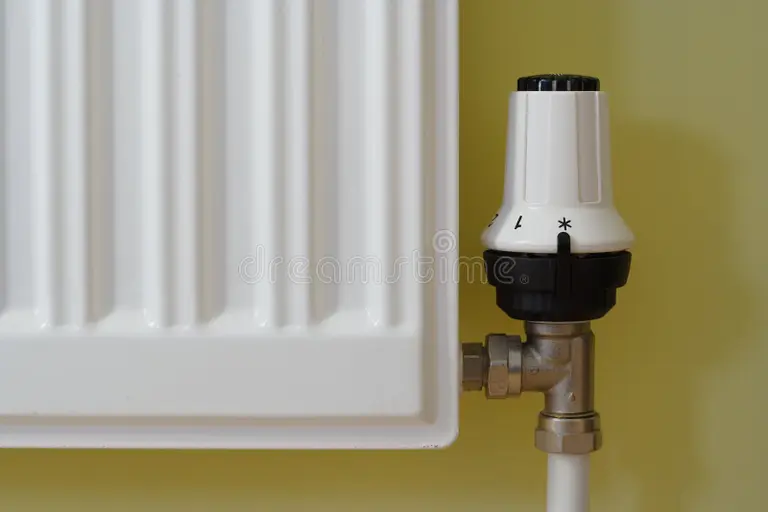
If your radiator is hot at the top but cold at the bottom, don’t panic—it’s one of the most common heating problems in UK homes.
In most cases, the cause is a build-up of sludge, rust and debris inside your central heating system. The good news is that it can often be fixed without replacing the radiator.
Here’s what causes the problem and what you can do about it.
Why is my radiator cold at the bottom?
The most common reason is central heating sludge.
Over time, rust, dirt and debris settle at the bottom of the radiator, blocking the flow of hot water.
As a result:
- The top of the radiator heats normally.
- The bottom stays cold.
- Your heating becomes less efficient.
- Your boiler has to work harder.
According to the Energy Saving Trust, keeping your heating system working efficiently can help reduce energy use and heating bills. (energysavingtrust.org.uk)
Signs your radiator has sludge
Besides being cold at the bottom, you may notice:
- Some rooms take much longer to warm up.
- The boiler runs for longer than usual.
- Strange banging or gurgling noises.
- Dirty black water when bleeding the radiator.
- Some radiators stay cooler than others.
If several radiators have the same problem, the entire heating system may need cleaning.
Could it be trapped air?
Usually, no.
If your radiator is:
- Cold at the top → it’s normally trapped air.
If it’s:
- Cold at the bottom → it’s usually sludge.
That’s why bleeding the radiator often doesn’t solve this particular problem.
How to fix a radiator that’s cold at the bottom
1. Check every radiator
See whether only one radiator is affected.
If several radiators are cold at the bottom, it’s likely to be a system-wide issue rather than an individual radiator fault.
2. Bleed the radiator
Even though trapped air isn’t normally the cause, it’s still worth checking.
Turn the heating off, use a radiator key and carefully release any trapped air.
If only air escapes and the radiator is still cold at the bottom, sludge is the more likely cause.
3. Balance the heating system
Sometimes radiators closer to the boiler receive more hot water than those further away.
A heating engineer can rebalance the system by adjusting the lockshield valves, helping heat distribute more evenly.
4. Power flush the heating system
If sludge has built up throughout the system, a power flush is often the most effective solution.
A specialist machine circulates cleaning chemicals through the pipes and radiators, removing sludge, rust and debris.
A power flush can:
- Improve radiator performance.
- Increase heating efficiency.
- Extend the life of your boiler.
- Reduce the risk of future breakdowns.
5. Add a magnetic filter
After cleaning the system, many heating engineers recommend installing a magnetic filter.
It captures rust particles before they circulate through the boiler and radiators, helping prevent sludge from building up again.
Can you fix it yourself?
If the problem is trapped air, yes.
If sludge is causing the issue, you may be able to remove and flush an individual radiator yourself.
However, if several radiators are affected or the boiler is making unusual noises, it’s usually best to contact a qualified heating engineer.
How much does it cost to fix?
Typical UK costs include:
| Service | Estimated cost |
|---|---|
| Bleeding a radiator | DIY or around £50–£100 |
| Individual radiator flush | £80–£200 |
| Full system power flush | £300–£700 |
| Magnetic filter installation | £100–£250 |
Prices vary depending on the size of the heating system and your location.
How to prevent sludge
You can reduce the chances of sludge returning by:
- Servicing your boiler every year.
- Using corrosion inhibitor.
- Installing a magnetic filter.
- Fixing leaks promptly.
- Power flushing older systems when recommended.
Preventative maintenance is usually much cheaper than replacing a damaged boiler.
When should you call a heating engineer?
You should seek professional help if:
- Several radiators are cold.
- Your boiler keeps shutting down.
- You hear banging or kettling noises.
- The heating takes much longer than usual.
- Bleeding the radiator hasn’t solved the problem.
- The system repeatedly loses pressure.
These symptoms may indicate a larger problem within the heating system.
Frequently Asked Questions
Why is my radiator hot at the top but cold at the bottom?
This is usually caused by sludge collecting inside the bottom of the radiator, restricting the flow of hot water.
Will bleeding the radiator fix it?
Not usually. Bleeding removes trapped air, which typically causes the top of a radiator to stay cold.
Can sludge damage my boiler?
Yes. Sludge can reduce efficiency, increase wear and contribute to boiler breakdowns if left untreated.
How often should a heating system be power flushed?
There isn’t a fixed timetable. It depends on the condition of the system, but many engineers recommend it when installing a new boiler or when sludge-related problems develop.
Is it safe to leave it?
Your heating will usually continue working, but efficiency will decrease and the problem may worsen over time.
Final thoughts
A radiator that’s cold at the bottom is usually a sign that your heating system needs attention—not necessarily a new radiator.
In many cases, removing sludge and protecting the system with a magnetic filter can restore performance and help your boiler run more efficiently.
The sooner you deal with the problem, the less likely it is to develop into a more expensive repair.
Find a trusted heating engineer
Need help fixing a cold radiator?
Use The Right Guy to compare trusted local heating engineers, boiler specialists and plumbers in your area.
Own a plumbing or heating business? Create your free business listing on The Right Guy and help more homeowners find your services.

Author: manager
Company test